Hormuz ‘Can’t Return to Normal’ as 45% of Gulf Oil Seen Bypassing Strait by End-2027
Summary
- The renewed closure of the Strait of Hormuz has sent global oil prices sharply higher and intensified concerns that inflation will accelerate.
- Goldman Sachs said more than 45% of Gulf crude would bypass the Strait of Hormuz by the end of next year if new and expanded pipelines are completed.
- On Wall Street, the idea of the NACHO trade has emerged on the view that Hormuz is unlikely to reopen, underscoring the need for investment in transport infrastructure.
Forecast Trend Report by Period


U.S., Iran Clash Again 20 Days After Signing Ceasefire Memorandum
Hormuz Reclosed as Oil Surges More Than 10%
U.S. Think Tank Says Chances of Strait Returning to Normal Are Zero
Gulf States Seek New Routes Through Ports and Pipelines
DP World Unveils Development Plan
UAE to Build Port on East Coast Facing Gulf of Oman
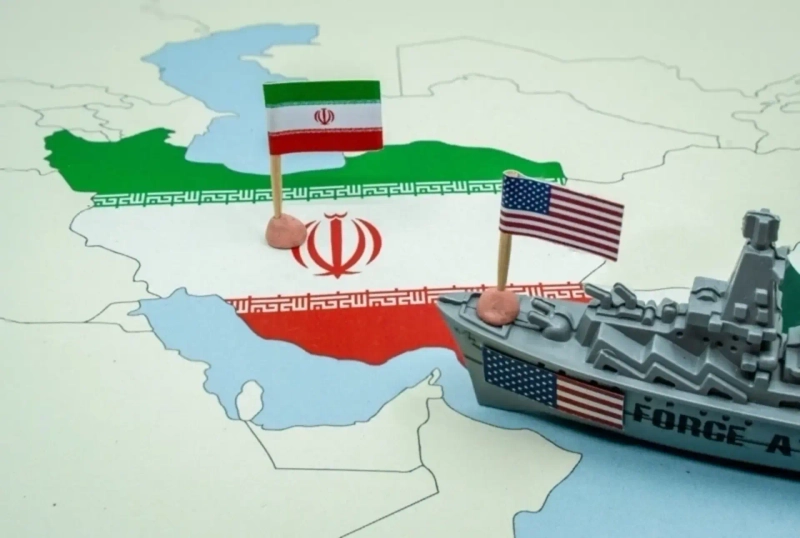
The Strait of Hormuz has been shut again after the U.S. and Iran resumed fighting just 20 days after signing a memorandum of understanding to end the war. Concerns are growing among experts that the waterway may never return to its prewar state. A global port operator has started developing an alternative shipping route using the Gulf of Oman and surrounding areas. Goldman Sachs projects that more than 45% of Gulf oil exports could bypass Hormuz by the end of 2027 as producers in the region speed up new and expanded pipeline projects.
President Donald Trump wrote on social media on July 13 that the Strait of Hormuz remained open, but the U.S. would charge a fee equal to 20% of cargo volumes in exchange for providing security. He added that a blockade targeting Iran would resume. Iran’s Islamic Revolutionary Guard Corps formally announced the closure of the strait on July 12.
Oil prices have jumped as the U.S. and Iran again sealed off the Strait of Hormuz, a key chokepoint for global energy flows. Front-month West Texas Intermediate, which had fallen below $70 a barrel on July 6, climbed to $78.14 on July 13. Brent rose 15.7% over the same period, based on closing prices, from $71.99 to $83.30 a barrel.
The growing uncertainty around Hormuz is driving calls for alternative transport routes. Rachel Ziemba, a senior fellow at the Center for a New American Security, told The Wall Street Journal that the odds of the strait returning to its previous normal state were effectively zero. That view strengthens the case for investing in other routes as quickly as possible.
On Wall Street, traders have coined the term NACHO, short for “No Chance of Hormuz Opening.” The phrase reflects a view that the sea lane, which once carried about 20% of the world’s crude, will remain effectively closed. That would increase the economic cost through higher oil prices and faster inflation.
Saudi Arabia, Iraq and the United Arab Emirates are planning new ports and pipelines that would allow exports to bypass Hormuz. Goldman Sachs said in a recent report that more than 45% of Gulf crude would avoid the strait by the end of 2027 if new and expanded pipelines are completed. That share would rise above 60% by the end of 2028.
The bank based its forecast on seven pipelines that are already under construction or in the planning or review stage. In that scenario, effective pipeline capacity would increase by 3.8 million barrels a day by the end of 2027. The total increase would reach 7.3 million barrels a day by the end of 2028. Goldman assumed a construction period of two and a half years. If building moves faster, as much as 75% of volumes could bypass Hormuz by the end of 2028.
Alexandra Paulus, the analyst who wrote the report, said the recent rise in oil prices shows how important cargo flows through Hormuz remain to energy prices in the short term. Expanded transport infrastructure across the Middle East would materially reduce that vulnerability.
Efforts are also under way to develop new maritime routes. DP World plans to build a new port and container terminal on the UAE’s east coast. The Financial Times reported that ships would dock in the Gulf of Oman instead of passing through the strait. Cargo bound for inland destinations such as Dubai and Abu Dhabi would then be moved by truck.
Jebel Ali Port, inside the Persian Gulf, is the UAE’s largest container port. But cargo volumes have fallen 90% to 95% because of the strait’s closure during the Middle East war. That has prompted DP World to pursue an alternative port. A senior company official cited by the FT said the new facility could be completed in as little as 18 months.
Son Ju-hyung, Hankyung reporter handbro@hankyung.com

Korea Economic Daily
hankyung@bloomingbit.ioThe Korea Economic Daily Global is a digital media where latest news on Korean companies, industries, and financial markets.