Global Oil Buffers Near Exhaustion as Renewed Hormuz Blockade Stokes Market Tension
Forecast Trend Report by Period


Fears Grow Over a Protracted War
IEA Says Only 25% of Strategic Reserves Remain
Most Private Inventories Also Depleted
IMF Says a Long Blockade Would Deliver a Bigger Shock
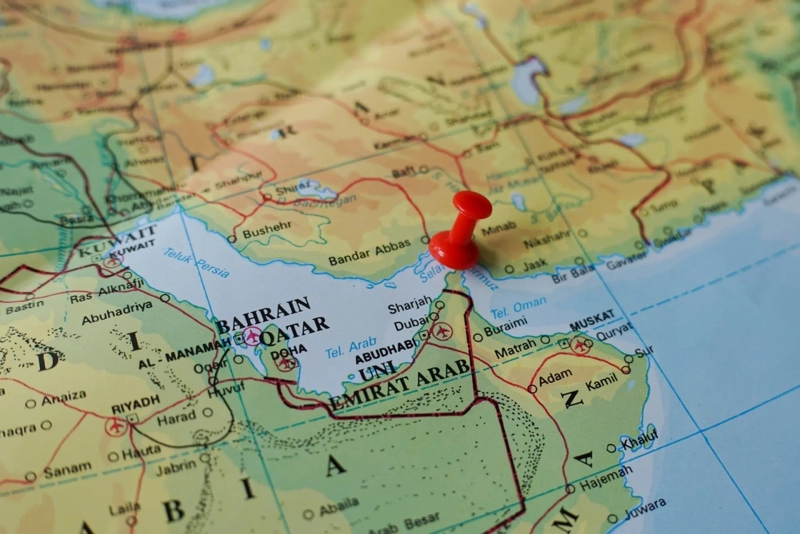
The global oil market is under pressure again as military conflict between the U.S. and Iran resumes. A prolonged renewed blockade of the Strait of Hormuz could deliver a bigger shock than before a ceasefire memorandum of understanding was signed, because strategic reserves that helped plug the supply gap at the start of the war have been largely drained, weakening the market's buffer.
'There Is Hardly Any Oil Inventory Left'
As of July 15, the U.S. and Iran were exchanging attacks for a fifth straight day. The intensity has eased from the early stage of the war, but vessels still cannot move freely through the Strait of Hormuz. That is keeping concerns over oil supply elevated.
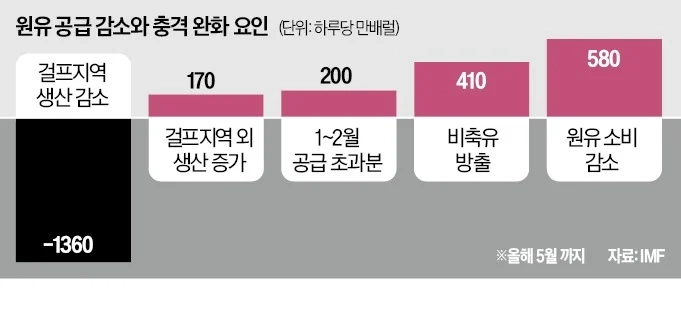
The prospect is growing that supply disruptions from an oil shortage could prove worse than they were at the start of the conflict. The International Energy Agency said on July 16 that member countries have used up much of their strategic petroleum reserves. About 75% of the 400 million-barrel emergency release plan announced in March has already been supplied to the market, leaving little room for another major release.
Private inventories have also fallen sharply. Energy consultancy Energy Aspects estimated that excess inventories in the private market, excluding government strategic reserves, stood at about 400 million barrels before the war. Those stockpiles are now nearly exhausted. "We've used up all the spare barrels we had stored," an oil trader told the Financial Times.
Supplies in refined products are also tight. In Russia, the world's second-largest diesel exporter, refinery facilities have been hit by Ukrainian drone attacks, making it difficult even to meet domestic demand.
Market sentiment is also deteriorating. Early in the war, energy prices stayed below levels implied by supply and demand because investors expected the conflict to end quickly. Now pessimism is building that free passage through the strait may no longer be possible regardless of how negotiations between Washington and Tehran unfold. The International Monetary Fund said that if inventories are not replenished, the global economy could face a larger market shock when the next energy crisis hits.
Disruption Could Last Until November
The energy industry says that even if the strait is fully reopened, it would take two to three months for crude shipments to return to normal. If production outages drag on, restarting oil fields could be delayed, raising the risk that some regions suffer permanent declines in output capacity. Another concern is that Iran could extend the blockade until before the U.S. midterm elections in November to pressure President Donald Trump.
Joel Hancock, a senior commodities analyst at French investment bank Natixis, said the scenario of supply flows returning to normal is no longer valid without a diplomatic breakthrough. Goldman Sachs projects Brent could rise above $110 a barrel in the fourth quarter if the recovery in Gulf exports continues to slow. September Brent futures climbed as high as $84 a barrel last week after the U.S. resumed airstrikes on Iran.
A prolonged war could also slow the pace of the global energy transition, according to the energy industry. The pattern would resemble 2022, when Russia's invasion of Ukraine triggered an energy crisis. At the time, the war was initially seen as an opportunity to accelerate the transition, but governments later shifted their focus to stabilizing short-term supply and sought alternative fossil-fuel supply routes.
Jamie Brito, head of energy at Dow Jones, said the bigger the geopolitical crisis becomes, the more likely governments and companies are to direct limited budgets toward supply security rather than the energy transition. Some countries, including Vietnam and India, are reviewing plans to expand coal-fired power plants.
Han Myung-hyun, Hankyung.com reporter, wise@hankyung.com

Korea Economic Daily
hankyung@bloomingbit.ioThe Korea Economic Daily Global is a digital media where latest news on Korean companies, industries, and financial markets.