South Korea Opens Sanctions Process Against Dunamu Over $32 Million Upbit Hack
Summary
- The Financial Supervisory Service sent an inspection opinion letter to Dunamu, the operator of Upbit, over a 44.5 billion won ($32 million) hacking incident that occurred last year and began sanctions procedures.
- Dunamu said it began freezing and recovery procedures for 2.6 billion won ($1.9 million) of the 44.5 billion won ($32 million) in Solana-network assets stolen in the hack, while 38.6 billion won ($27.8 million) was fully covered with Upbit’s own funds.
- Heavy sanctions remain uncertain because current law has no direct penalty provisions for hacking and system failures, and the Financial Supervisory Service’s sanctions level will be finalized after procedures involving the sanctions review committee, the Securities and Futures Commission and the Financial Services Commission.
Forecast Trend Report by Period


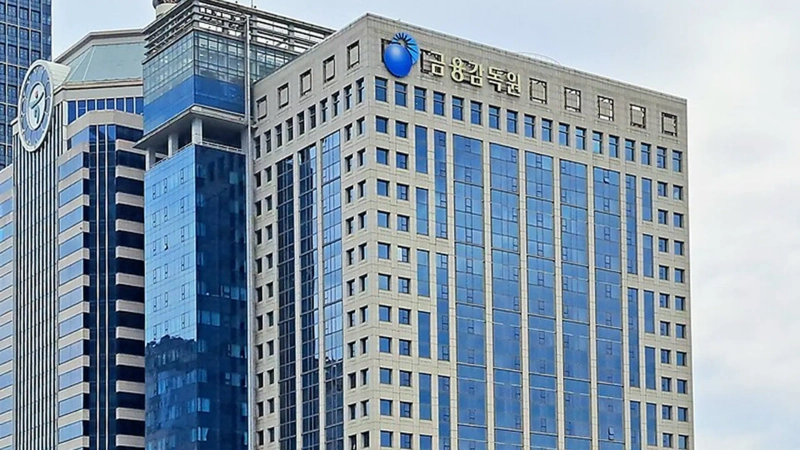
South Korea’s financial authorities have begun sanctions procedures over a hacking incident at domestic cryptocurrency exchange Upbit.
Yonhap News reported on July 19 that the Financial Supervisory Service recently sent an inspection opinion letter to Dunamu, Upbit’s operator, in connection with a hack last year involving assets worth 44.5 billion won ($32 million). The step came seven months after the regulator launched its inspection following the breach.
Upbit was hacked in November last year, resulting in the outflow of Solana-network assets worth 44.5 billion won ($32 million). Dunamu said it began freezing and recovery procedures for 2.6 billion won ($1.9 million) of the stolen assets. It also said 38.6 billion won ($27.8 million) was fully covered with Upbit’s own funds.
The FSS has been reviewing whether Dunamu violated the Virtual Asset User Protection Act after the incident. Still, it is unclear whether the case will result in severe sanctions because current law does not contain direct penalty provisions for hacking and system failures.
The regulator plans to give Dunamu advance notice of its sanctions recommendation after the company completes its response process. Final sanctions will be determined after deliberations by the sanctions review committee, the Securities and Futures Commission and the Financial Services Commission.

JOON HYOUNG LEE
gilson@bloomingbit.ioCrypto Journalist based in Seoul