US Spot-Bitcoin ETFs Draw Inflows for Second Straight Week in Bottoming Signal
Summary
- US spot-Bitcoin ETFs posted net inflows for a second straight week, fueling expectations that the crypto market is confirming a bottom.
- Bitcoin has reclaimed its 200-week moving average near $63,300, recovering a key threshold that often separates long-term bear and bull markets.
- Still, the Middle East conflict, the possibility of rate hikes, passage of the Clarity Act, and institutions' history of Bitcoin sales could remain key variables for Bitcoin prices and risk assets more broadly.
Forecast Trend Report by Period


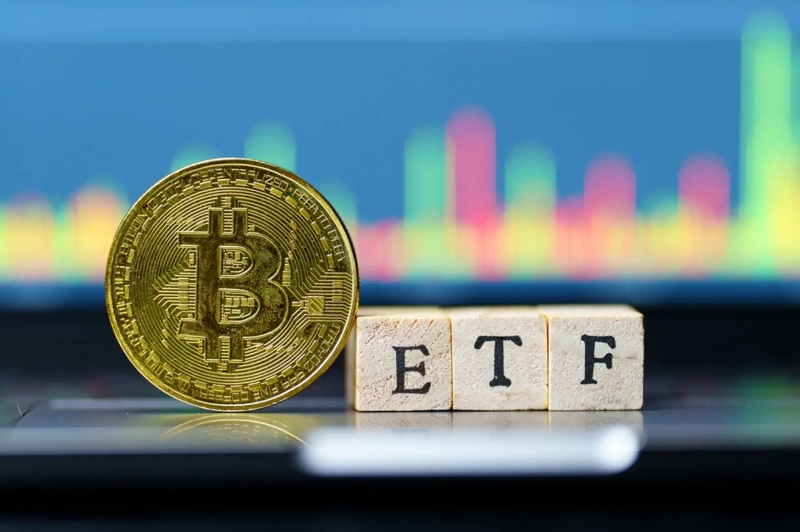
US spot-Bitcoin exchange-traded funds posted net inflows for a second straight week, raising expectations that the crypto market may be finding a floor after nearly two months of outflows.
Bloomberg reported on July 20 that the 13 spot-Bitcoin ETFs listed in the US recorded combined net inflows of $75.7 million last week, following $197.4 million in the previous week.
The funds suffered a one-day outflow of $424.7 million early last week after military clashes between the US and Iran resumed. Flows later swung back into positive territory.
Richard Galvin, chairman of DACM, called the move a sign that the market was confirming a bottom. ETFs have become a useful gauge of sentiment across Bitcoin and the broader crypto sector because of their scale and broad investor base, he said. The shift after eight straight weeks of outflows is encouraging, particularly now that it has been confirmed for a second consecutive week.
Bitcoin has also climbed back above a key technical threshold. Bloomberg said the token is once again trading above its 200-week moving average of about $63,300.
The 200-week moving average is widely viewed as a dividing line between long-term bear and bull markets.
Bitcoin has traded in a $60,000 to $65,000 range in recent weeks amid macroeconomic uncertainty. During Asian trading on July 20, news of additional US strikes on Iran also hit the market, but Bitcoin briefly rose above $65,000 and remained relatively resilient.
Still, the conflict in the Middle East remains a risk because it could add to inflation and interest-rate pressure. Damien Lo, chief investment officer at Erickson Capital, said Bitcoin's recent price action showed strong support even as fighting resumed in the region and risk assets weakened.
A US-Iran conflict matters because it could push interest rates higher and affect all risk assets, he said. The possibility of Federal Reserve rate hikes may be delaying a broader return of institutional money.
Lo added that Bitcoin could get a catalyst if the US Congress passes the Clarity Act, a crypto market-structure bill, before its August recess.
Bitcoin is still down about 10% since early last month. Investor sentiment was also hurt after it emerged that Strategy had sold part of its Bitcoin holdings for the first time since 2022. The company disclosed on July 6 that it sold an additional $216 million of Bitcoin to fund dividend payments and other needs, but the latest sale did not trigger broader market selling.

Minseung Kang
minriver@bloomingbit.ioBlockchain journalist | Writer of Trade Now & Altcoin Now, must-read content for investors.