Central Banks Ramp Up Gold Buying, Stirring Questions Over Dollar Dominance
Summary
- Central banks around the world are increasing their gold holdings at an unusual pace, raising the possibility of changes in the international financial order centered on the US dollar.
- According to the World Gold Council and Goldman Sachs, annual net gold purchases have reached about 1,000 tons, while purchases in May 2026 totaled 81 tons, showing that gold buying and demand for safe-haven assets are accelerating.
- Financial markets have set a gold price target of $4,900 per troy ounce by the end of 2026, though the prevailing view is that a collapse in the dollar's reserve-currency status remains unlikely.
Forecast Trend Report by Period


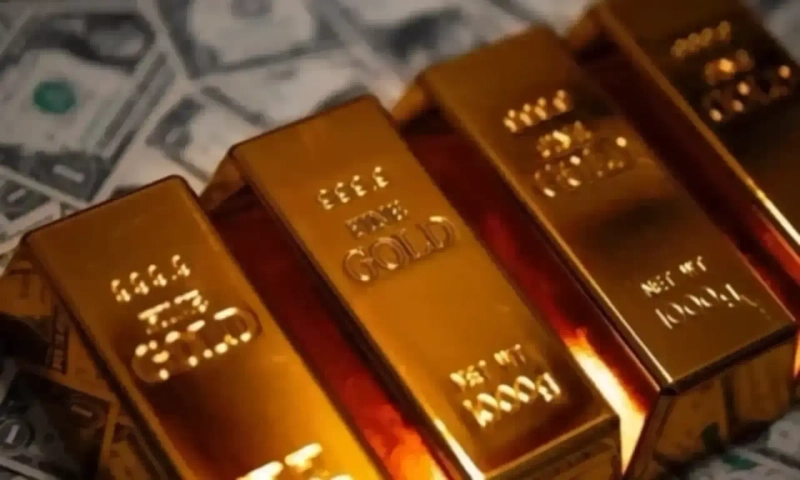
Central banks around the world are increasing their gold holdings at an unusually rapid pace as they hedge against inflation and geopolitical turmoil, prompting fresh questions about whether the US dollar-centered global financial order could eventually shift. The buying reflects a broader push by countries to reduce reliance on any single currency and strengthen financial sovereignty.
According to the World Gold Council, central banks' annual net gold purchases have been about 1,000 tons in recent years. Goldman Sachs estimated that purchases in May 2026 alone reached 81 tons, well above the 17-ton monthly average before 2022, signaling that the trend is accelerating.
The wave of gold buying became especially pronounced in emerging markets after Russia's foreign-exchange reserves were frozen. Countries have since faced greater pressure to protect their own assets and diversify reserve holdings. The People's Bank of China and Poland's central bank are widely cited as among the steadiest buyers.
A World Gold Council survey conducted in May 2026 reinforced that trend. Among responding central banks, 89% said they plan to increase gold holdings over the next year, while 45% said they intend to raise gold's share of their reserves. Demand is also spreading in the private sector through gold exchange-traded funds, underscoring stronger appetite for safe-haven assets.
Market forecasts for bullion also remain upbeat. Goldman Sachs set a year-end 2026 target of $4,900 a troy ounce, expecting the rally to continue.
Still, experts caution against treating central-bank gold purchases as a precursor to a collapse in the dollar. One securities-industry official said the buildup in gold holdings reflects a rational asset-allocation strategy to hedge risk amid high interest rates and geopolitical uncertainty, rather than a signal of dollar weakness.
The prevailing market view is that the dollar's status as the world's reserve currency is unlikely to be seriously shaken in the short term. The increase in gold holdings is viewed less as a direct challenge to the dollar-based system than as a cautious move by central banks to diversify portfolios against unpredictable crises.
Hankyung.com Newsroom open@hankyung.com

Korea Economic Daily
hankyung@bloomingbit.ioThe Korea Economic Daily Global is a digital media where latest news on Korean companies, industries, and financial markets.