Global Chip-Stock Volatility Tops Dot-Com Bust Levels at Nearly 5 Times the S&P 500
Forecast Trend Report by Period


FT: Even Minor News Is Triggering Outsized Moves
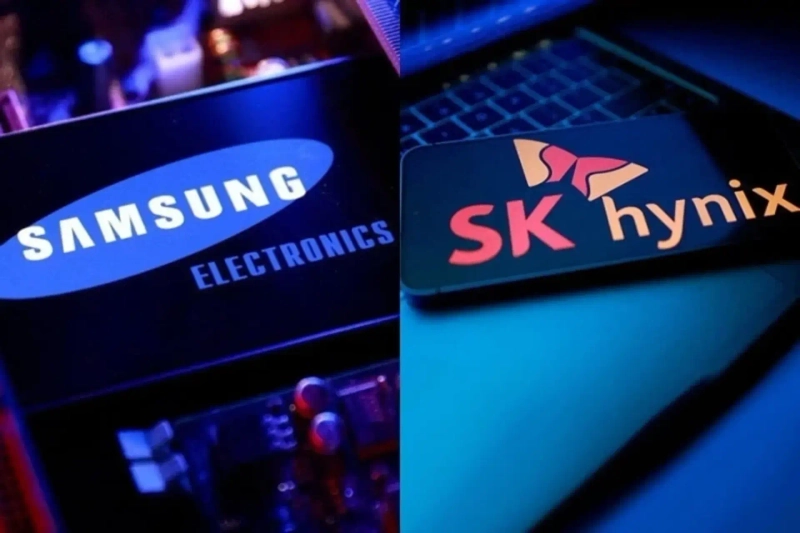
Semiconductor stocks are now swinging more sharply against the broader market than they did during the dot-com bust.
The ratio of daily volatility in the Philadelphia Semiconductor Index to that of the S&P 500 recently reached 4.9, the Financial Times reported on July 20. That means chip stocks are moving almost five times as much in a single day as the broader US equity market. The FT said that is above the 4.2 ratio recorded just after the dot-com bubble burst in 2000.
The volatility is tied to the boom in artificial-intelligence investment, according to the report. The semiconductor industry has long been a cyclical business, with orders, inventories and prices shifting with economic growth, corporate investment and demand for electronics. But this year's extreme swings appear to reflect AI spending more than a typical business cycle. Investors have poured money into the sector on expectations that semiconductors, essential for infrastructure such as data centers, will be direct beneficiaries even as it remains unclear which companies will ultimately emerge as AI-service winners.
The recent pace of gains has also driven valuations sharply higher, adding to volatility. The FT said chip-stock valuations have become so stretched that even minor news can trigger outsized share-price moves. Small changes in earnings or demand outlooks could prompt investors to buy or sell in large volumes.
Kim Dong-hyun, Hankyung.com reporter, 3code@hankyung.com

Korea Economic Daily
hankyung@bloomingbit.ioThe Korea Economic Daily Global is a digital media where latest news on Korean companies, industries, and financial markets.