Iran Rial Hits Record Low as US Pressure Deepens Economic Crisis
Summary
- Iran’s rial fell to 1.95 million per dollar, a record low, marking a drop of about 10% from the start of this month.
- The US port blockade, attacks on infrastructure and the prolonged war pushed June consumer-price inflation to nearly 90% from a year earlier, while war damage was estimated at $270 billion.
- Experts said US economic pressure is unlikely to materially weaken Iran’s war-fighting capacity, though mass layoffs and the economic crisis are worsening.
Forecast Trend Report by Period


Damage to Iran’s economy is without precedent
But it may not change the course of the war
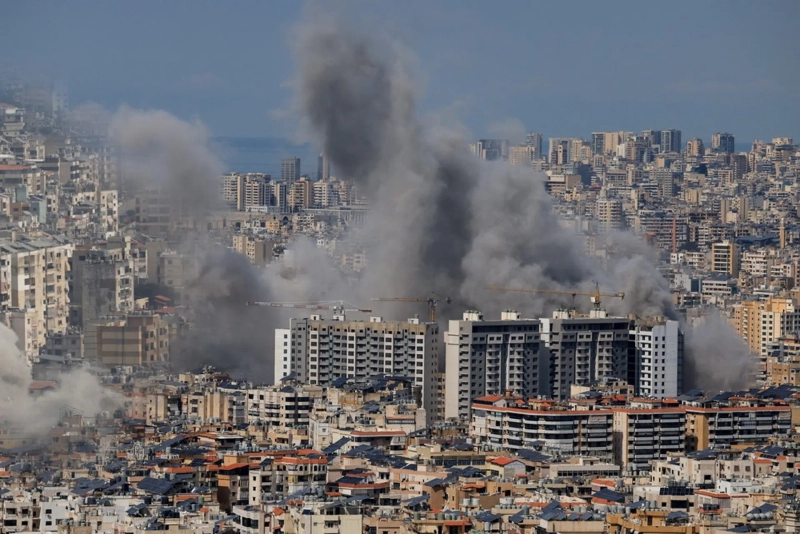
Iran’s currency has fallen to a record low, highlighting a deepening economic crisis as renewed US airstrikes damage industrial facilities and trigger mass layoffs.
The rial slid to 1.95 million per dollar on July 19, the Financial Times reported on July 20. That marked a drop of about 10% from the start of this month. It recouped some of those losses on Monday.
The plunge followed President Donald Trump’s move last week to reimpose a blockade on Iranian ports. Iran’s government also said the US recently attacked infrastructure including bridges, railways and airports in southern coastal areas and inland regions.
Iran’s economy was already in severe distress before the war began in February. High inflation, international sanctions and years of policy failures had pushed the country into crisis. Conditions deteriorated further after the war broke out, with consumer prices in June rising nearly 90% from a year earlier.
A Tehran man in his 40s told the FT he could barely afford even basic necessities for his young children. He said he understood what it meant to defend his country, but accused the government of financing the war with public money while shifting the economic burden onto ordinary people.
Still, experts say the current crisis is unlikely to force a change in Tehran’s stance. Esfandyar Batmanghelidj, chief executive officer of the Bourse & Bazaar Foundation, a UK think tank, told the FT that US economic pressure would not materially weaken Iran’s ability to wage war. Even if Iran becomes far poorer than it is now, he said, it could still pose a substantial threat to US forces.
What is broadly agreed, however, is that the damage inflicted on Iran’s economy after months of war is nearly without precedent. The US and Israel have spent weeks bombing not only government and military targets but also industrial sites and civilian infrastructure. Fatemeh Mohajerani, a spokesperson for Iran’s government, estimated war losses at $270 billion in April.
Mass layoffs have followed as well. Iran’s vice labor minister said in April that about 2 million people had lost their jobs, directly or indirectly, because of the war.
Javad Salehi-Isfahani, an Iranian-born economist at Virginia Tech who recently visited Iran, said the government was trying to handle two conflicting tasks at once. One is maintaining living standards and food consumption while the war continues. The other is preventing inflation from spiraling into hyperinflation. Iran has learned how to bypass some of the economic pressure created by sanctions and blockades, he said, but there is no magic solution for physical destruction.
President Masoud Pezeshkian said on July 20 that economic pressure could undermine Iran’s military gains if it fuels public anger. Iran’s enemies have realized that military attacks alone cannot force the Iranian people to surrender, he said. The economy and people’s livelihoods are the most important front in confronting those enemies.
Han Myung-hyun, Hankyung.com reporter wise@hankyung.com

Korea Economic Daily
hankyung@bloomingbit.ioThe Korea Economic Daily Global is a digital media where latest news on Korean companies, industries, and financial markets.