PiCK
Clarity Act Talks Snag on Ethics Rules for Public Officials
Summary
- The Clarity Act is a market-structure bill that would classify digital assets as securities or commodities and recast oversight by the SEC and CFTC, with a final agreement now delayed by differences over an ethics provision for public officials.
- After the White House said Trump had accepted "the most comprehensive ethics provision in history," expectations for the bill spread through the market, helping lift Bitcoin above $66,000 as hopes for reduced regulatory uncertainty boosted investor sentiment.
- Analyst Jung Min-kyo said prediction markets put the odds of the Clarity Act passing this year at 47%, and that if those odds rise further or the legislative process makes meaningful progress, it could become a positive catalyst for Bitcoin and the broader digital-asset market by easing regulatory uncertainty.
Forecast Trend Report by Period


Democrats seek limits on token issuance and promotion by public officials
Dispute turns on whether the rules should extend from the president and lawmakers to spouses and children
Another flashpoint is whether enforcement should lie with the Justice Department or state governments
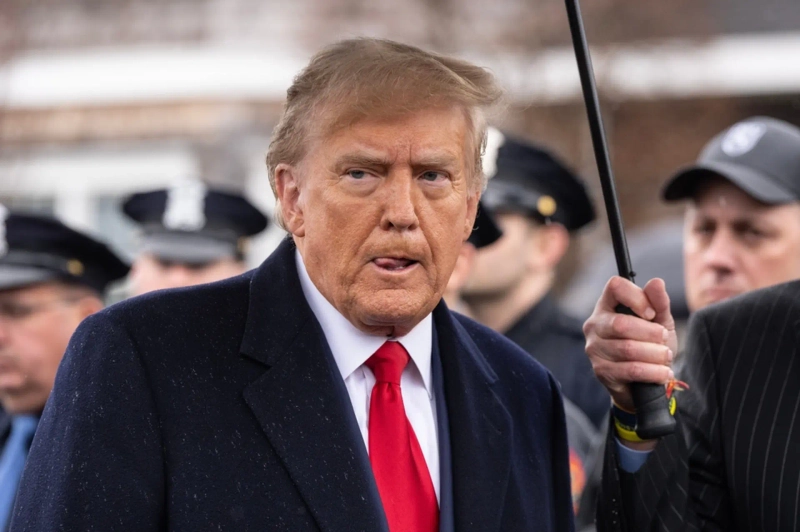
The Clarity Act has hit a final hurdle: ethics rules for public officials. The White House said President Donald Trump had accepted a compromise, but Democrats are delaying a final agreement until they can review the exact language and enforcement mechanism.
The Clarity Act is a market-structure bill that would divide digital assets between securities and commodities and recast oversight by the U.S. Securities and Exchange Commission and the Commodity Futures Trading Commission. In the final stretch of negotiations, however, the main issue has shifted from token classification to preventing conflicts of interest among public officials.
Democrats Push to Block Public Officials From Crypto Business Activity
Democrats have made the ethics provision a condition for advancing the bill because Trump is both the top policymaker on crypto and a stakeholder in major crypto ventures. The president appoints the heads of the SEC, the CFTC and the Treasury Department, and wields broad influence over the administration's crypto agenda.
Trump and his family have expanded their crypto activities through World Liberty Financial, the dollar-pegged stablecoin USD1 and their own meme coins. According to Trump's financial disclosure, he generated about $1.2 billion in income from crypto-related businesses last year alone. More than $500 million of that came from sales of newly issued digital assets, including WLF tokens.
That is the core of the Democratic concern. Lawmakers in the party argue that a president could craft rules that favor the crypto industry and then lift the value of tokens tied to himself or his family, or increase related business profits. They are also concerned that foreign governments, companies or other interested parties could buy the family's tokens and deliver economic benefits without passing through existing political-donation or gift rules.
Democrats argue that this is different from ordinary stock ownership. A company's shares are generally priced on business performance and cash flow, while a meme coin can derive its value from a public official's name and political influence. Token issuers can also profit from initial allocations and trading fees even if prices do not rise. Democrats cite Trump's meme coin, Official Trump, as an example.
Sen. Elizabeth Warren said the president and members of Congress should not profit from crypto while also writing or enforcing crypto rules. She added that a bill without an ethics provision could undermine trust in the market.
Dispute Over How Broad the Restrictions Should Be
The biggest reason the ethics provision remains stalled is that the two parties have not agreed on a single final draft. A bill that passed the Senate Banking Committee in May did not include a broad conflict-of-interest provision for public officials. At the time, Democratic Sen. Chris Van Hollen introduced a separate ethics amendment, but it failed 11-13.
Van Hollen's proposal would restrict the president, vice president, members of the House and Senate, senior executive branch officials and their families from owning, promoting or maintaining business ties with crypto issuers or trading platforms. It also included disclosure requirements for officials' crypto trading and related business activity.
Democrats themselves are split over how far the restrictions should go. Sen. Kirsten Gillibrand, who has participated in the talks, is backing a narrower approach that would bar all elected officials and their spouses from issuing or endorsing their own digital assets. Rather than banning simple ownership of existing cryptocurrencies such as Bitcoin, her approach would first target cases in which officials use their names and political influence to create new tokens and profit from them.
Warren and progressive advocacy groups want a broader standard. They argue the restrictions should apply not only to the president, vice president, lawmakers and senior officials, but also to spouses and dependent children, covering holdings, trading, issuance, promotion and related business income. If only the officeholder is regulated, they argue, the business could simply be shifted to a spouse or child.
Justice Department or States? Enforcement Is Another Flashpoint
Another sticking point in the final talks is who should enforce the ethics rules. Republican Sen. Cynthia Lummis has proposed allowing state attorneys general to sue exchanges that list tokens issued by public officials.
Republicans and the White House argue that a patchwork of state standards would force crypto exchanges to comply separately with rules in all 50 states. They want a unified enforcement system centered on the U.S. Department of Justice. Democrats and civil-society groups counter that giving sole authority to a Justice Department led by a presidential appointee to investigate and punish the president or the president's family could leave the ethics rules toothless.
The White House said on July 21 that Trump had accepted "the most comprehensive ethics provision in history." It did not disclose the specific language, including who would be covered, what conduct would be banned, or whether existing crypto holdings would have to be sold. Democratic negotiators also said they had not formally received the compromise draft that the White House says was agreed.
Differences among Democrats remain another variable. Gillibrand is seeking a compromise centered on banning public officials and their spouses from issuing their own tokens. Progressive groups, by contrast, are pressing to include adult children and other immediate family members, saying anything less would be ineffective. Those groups have also pointed to crypto-industry activity involving Gillibrand's son and argued that Democrats should be held to the same standard.
On Capitol Hill, last-minute bipartisan negotiations over the Clarity Act's ethics provision are continuing, led by Republican Sen. Thom Tillis. A spokesperson for Lummis's office said talks with the White House had gone smoothly and that language to be released within days would reflect productive discussions.
The prospect of the bill is also feeding into the crypto market. Bitcoin rose above $66,000 on Binance's Tether market on July 22, reaching its highest level in about a month. The White House's statement that Trump had accepted the ethics provision appeared to lift investor sentiment on hopes that regulatory uncertainty may ease.
Jung Min-kyo, an analyst at Presto Research, said prediction markets put the odds of the Clarity Act passing this year at 47%. That suggests the bill's chances remain roughly even. If those odds rise further or the legislative process shows meaningful progress, it would likely support Bitcoin and the broader digital-asset market by easing regulatory uncertainty.

Doohyun Hwang
cow5361@bloomingbit.ioKEEP CALM AND HODL🍀