Escalating Middle East War Puts Oil at Center of Second-Half Risk Outlook
Forecast Trend Report by Period


Hormuz and Red Sea Face Blockade Risk
Brent September Futures Top $95
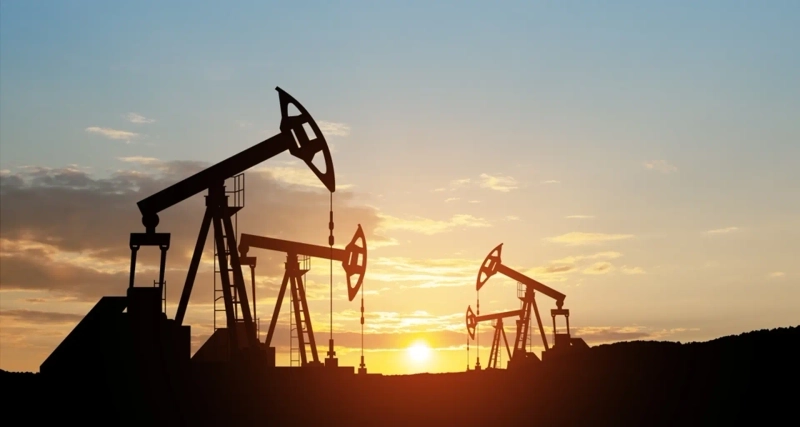
Oil prices jumped after the Bab el-Mandeb Strait in the Red Sea came under threat of a blockade. Fears are mounting that if the waterway is closed alongside the Strait of Hormuz, the global economy could face a major shock in the second half of the year.
As of 2 p.m. Korea time on July 23, Brent crude futures for September on ICE Futures Europe in London were trading at $95.9 a barrel, up 2% from the previous session. Brent rose above $95 for the first time in six weeks. West Texas Intermediate futures for August gained 1.5% to $88.1 a barrel.
Oil surged after news emerged that a tanker had been attacked in the Red Sea off southwestern Saudi Arabia. Yemen's Iran-backed Houthi rebels claimed responsibility. The group declared a maritime blockade against Saudi Arabia on July 20.
The Bab el-Mandeb Strait connects the Red Sea and the Arabian Sea and serves as a gateway to the Suez Canal. About 4% of global crude shipments pass through the strait. If the Strait of Hormuz is also blocked, as much as 25% of global energy supply could be cut off.
Since the outbreak of the US-Iran war, Saudi Arabia has shipped about 4.5 million barrels a day of crude and fuel through the Red Sea port of Yanbu. About 70% of those shipments were bound for Asia. Stratas Advisors projected oil could climb back above $115 to $120 a barrel. Transportation and insurance costs also stand to rise. The Korea Institute for International Economic Policy said freight rates rose as much as sixfold when Houthi rebels attacked commercial vessels in the Red Sea in December 2023.
If the supply shock feeds through to consumer prices, the global economy could slide into recession. World Bank Chief Economist Indermit Gill told Reuters the worst-case scenario of Middle East tensions lasting more than six months already appears to have become reality. He warned global growth could fall to 1.3%.
South Korea's economy would also be hit. Kim Tae-hwang, a professor of international trade at Myongji University, said the country's growth rate could fall to the low-2% range in a worst-case scenario if the Middle East crisis drags on until after the US midterm elections in November.
Han Myung-hyun, Hankyung.com reporter, wise@hankyung.com

Korea Economic Daily
hankyung@bloomingbit.ioThe Korea Economic Daily Global is a digital media where latest news on Korean companies, industries, and financial markets.