Forecast Trend Report by Period


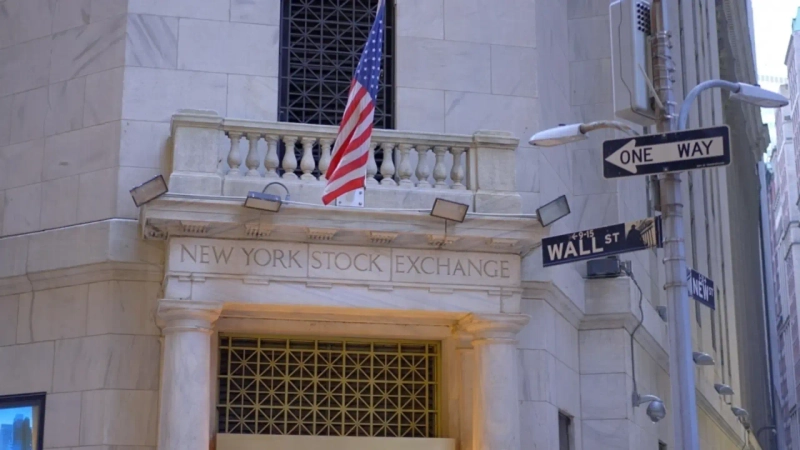
Wall Street's three major indexes closed lower on July 23 as escalating tensions in the Middle East and a sharp rise in oil prices rattled investors.
The Dow Jones Industrial Average fell 506.93 points, or 0.97%, to 51,711.65 at the close of trading on the New York Stock Exchange. The S&P 500 dropped 90.66 points, or 1.21%, to 7,408.30, while the Nasdaq Composite slid 553.21 points, or 2.15%, to 25,137.69.
Markets were jolted after Brent crude, the international benchmark, rose above $100 a barrel for the first time in two months. September Brent futures settled up 7.04% at $100.69 a barrel, while September West Texas Intermediate crude futures climbed 6.17% to $92.19 a barrel. Brent reached its highest level since May 22, and WTI hit its highest since June 4.
Supply concerns intensified amid fears of disruptions to traffic through the Strait of Hormuz, a key shipping route for global crude. Those worries grew after a Saudi tanker was attacked in the Red Sea.
Higher oil prices added to inflation pressure and pushed Treasury yields up. The yield on the 10-year US Treasury note rose 0.04 percentage point from the previous session to 4.70%. The 10-year yield's move above 4.7% marked the first time since January 2025, bringing renewed attention to the possibility of another Federal Reserve interest-rate increase.
US weekly initial jobless claims released that day fell to their lowest level since 1969, reaffirming the strength of the labor market. That added to expectations that the Fed will continue to focus on curbing inflation.
Quarterly results from major technology companies also weighed on the market. Tesla shares tumbled 14.5% after the company said it had posted negative cash flow for the first time in two years.
Alphabet, Google's parent company, reported second-quarter earnings that topped market expectations. Its shares still fell 6.8% after free cash flow turned negative because of large-scale investment in artificial intelligence infrastructure.
Daniel Skelly of Morgan Stanley said soaring oil prices amid geopolitical uncertainty and concerns over increased capital spending by the Magnificent Seven were putting substantial pressure on the market. Stock volatility could continue for the time being if AI companies fail to prove they can sustain their gains, he added.
Go Jeong-sam, Hankyung.com reporter, jsk@hankyung.com

Korea Economic Daily
hankyung@bloomingbit.ioThe Korea Economic Daily Global is a digital media where latest news on Korean companies, industries, and financial markets.