PiCK
China Says US Tariff War Helps No One After New Duties on 60 Economies
Summary
- The US imposed 10% to 12.5% forced labor tariffs on 60 economies, including South Korea and China, rekindling trade tensions.
- China said it opposes all forms of unilateral tariff wars and trade wars, while avoiding any mention of retaliatory measures.
- The move is raising concern that friction could spread to allies and major trading partners as the US-China regime of high tariffs and supply-chain realignment remains in place.
Forecast Trend Report by Period


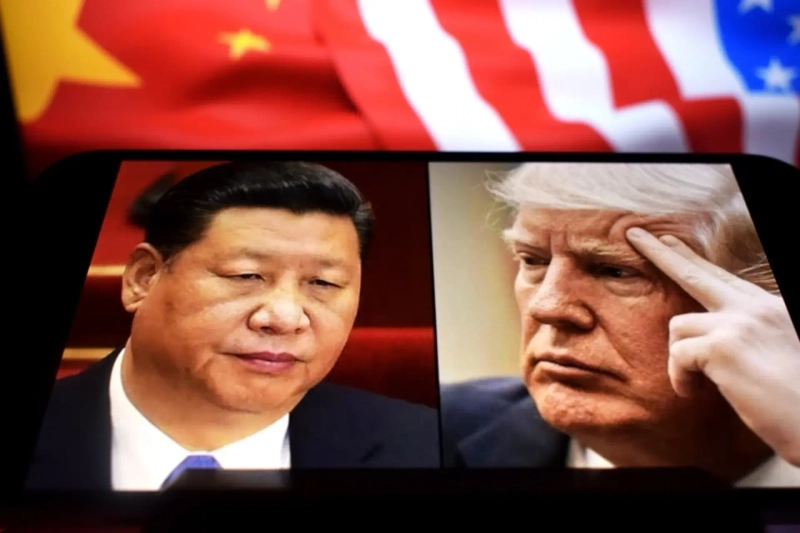
China objected after the US imposed so-called "forced labor tariffs" on 60 economies, including South Korea and China. Beijing said it opposes all forms of unilateral tariff measures and that "tariff wars and trade wars benefit no one."
Lin Jian, a spokesman for China’s Foreign Ministry, reiterated that stance at a regular briefing on July 24 when asked about the latest US tariff action. "China’s position on China-US economic and trade issues is consistent and clear," he said. China opposes all forms of unilateral tariff measures, he added, and "tariff wars and trade wars benefit no one." He did not mention any specific retaliation or response.
The Trump administration on July 23 imposed "forced labor tariffs" of 10% to 12.5% on 60 economies, including South Korea and China, under Section 301 of the Trade Act. While the US framed the move as a response to forced labor concerns, markets have viewed it as a renewed escalation of tariff pressure on major trading partners.
Tariff friction was also a central source of strain in US-China relations during Trump’s first term. In 2018, the US invoked Section 301 over what it described as Chinese intellectual property violations and forced technology transfers. Washington imposed high tariffs on Chinese imports, and Beijing responded with retaliatory duties on US agricultural and manufactured goods.
That tariff war increased costs for businesses and consumers in both countries. US companies paid more to source Chinese parts and finished goods, while Chinese exporters lost price competitiveness in the American market. US farmers that relied on agricultural exports were also hurt by China’s retaliatory tariffs.
The 2020 Phase One trade deal temporarily eased tensions, but many of the high tariffs remained in place. Since then, supply-chain realignment, semiconductor export controls, and disputes over electric-vehicle and battery subsidies have kept the two countries from fully restoring their economic relationship.
That helps explain why the latest move is drawing attention. By reviving tariffs under the banner of forced labor, the US risks widening trade tensions beyond China to allies such as South Korea and other major trading partners.
Lin also declined to provide details when asked about US President Donald Trump’s mention of a Sept. 24 visit to the US by Chinese President Xi Jinping and discussions on artificial intelligence. "Leader-to-leader diplomacy plays an irreplaceable strategic guiding role in China-US relations," he said. China hopes to work with the US to implement the important consensus reached by the two leaders on AI, he added.
Lee Song-ryeol, Hankyung.com reporter yisr0203@hankyung.com

Korea Economic Daily
hankyung@bloomingbit.ioThe Korea Economic Daily Global is a digital media where latest news on Korean companies, industries, and financial markets.