Apple, Huawei Face Memory Supplier Revolt After Years of Price Pressure
Forecast Trend Report by Period


Apple pushes to use Chinese memory
and runs into resistance from Micron
“The shortage stems from the 2023 squeeze”
Huawei’s pressure for lower prices
leads CXMT to expel engineers
“A sign of memory’s rising clout in the AI era”
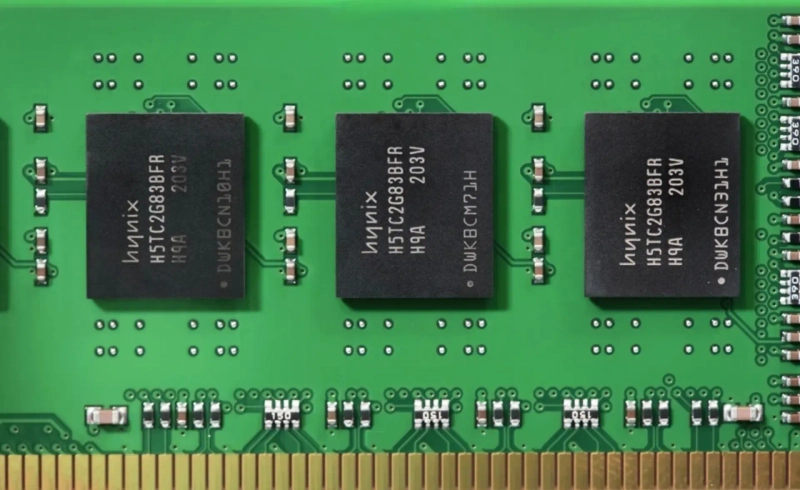
Apple sits at the top of the global supply chain, but suppliers have long viewed it as a ruthless buyer. The company is known for imposing strict quality standards while using every available lever to cut component prices. In China, Huawei has drawn comparisons as a second Apple. It is known for setting more than 10 suppliers against one another and rewarding only the winner.
That hard-line purchasing culture, which helped Apple and Huawei preserve margins, is now starting to backfire. Memory chipmakers in their home markets, once seen as allies, are turning against them as supply tightens. The shift highlights a broader change in bargaining power between component suppliers and device makers as memory has become a strategic product in the AI era.
Apple faces backlash from Micron
The Wall Street Journal reported on July 26 that tensions between Apple and Micron are rising over Apple’s push to use Chinese-made memory. Confronted with soaring memory prices and supply shortages, Chief Executive Officer Tim Cook has personally lobbied President Donald Trump and others to allow Chinese memory in products sold outside the US. Apple has argued that doing so would help lower product prices as the Trump administration wrestles with inflation, the newspaper said.
Micron, the leading US memory maker and an Apple supplier, has openly opposed the effort. Chief Executive Officer Sanjay Mehrotra recently told senior US officials that China could repeat what it did to the American shipbuilding and steel industries.
Micron’s hard line is also being seen as a response to Apple’s long-criticized practice of squeezing suppliers. The tension spilled into public view last month after Apple raised product prices by 20% and blamed the increase on memory shortages and supplier profiteering.
Micron Chief Business Officer Sumit Sadana rejected that argument in a recent interview. The current shortage, he said, traces back to 2023, when some customers, including Apple, drove prices down to unsustainably low levels during the industry downturn. That left memory companies without the profitability needed to expand capacity.
CXMT expels Huawei-linked engineers
The clash between device makers and memory suppliers is also spreading in China. Huawei’s demand for price cuts from ChangXin Memory Technologies, or CXMT, a leading Chinese DRAM maker, triggered the latest dispute. Already angered by Huawei’s repeated pressure to lower prices, CXMT has taken a hard line and insisted prices should rise instead.
Reuters reported that CXMT has already acted. In one example, the company last month removed personnel from SiCarrier, Huawei’s equipment-development affiliate, from its factory. Reuters said SiCarrier engineers still have not been allowed to return.
Trump administration faces a dilemma
What would have been hard to imagine just three or four years ago is now happening as memory has taken on the status of a strategic good in the AI era. DRAM used in AI servers has become a critical component for improving the performance of AI agents. Smartphone DRAM, the type Apple needs, has long fallen behind higher-value server memory in priority.
That has left the US and Chinese governments in an awkward position as both push policies that prioritize domestic industry. The Journal said Trump has been placed in the middle of a dispute between major US companies. He now faces a choice between lower consumer prices and support for domestic semiconductor manufacturing.
Hwang Jung-soo, New York correspondent, Korea Economic Daily, hjs@hankyung.com

Korea Economic Daily
hankyung@bloomingbit.ioThe Korea Economic Daily Global is a digital media where latest news on Korean companies, industries, and financial markets.