South Korean FX, Bond Markets Focus on Oil and FOMC; Won Seen in Mid- to Upper-1,400 Range
Summary
- South Korea’s foreign-exchange and bond markets are set to focus this week on global oil prices and the FOMC outcome, with the won expected to trade in the mid- to upper-1,400 range against the dollar.
- Inflows from exporter dollar sales tied to strong semiconductor exports and expectations for an additional policy-rate increase by the Bank of Korea supported the won, which ended last week at 1,458.5 per dollar.
- Rising Brent crude futures have increased inflation pressure and rate-hike expectations, lifting government bond yields to their highest level since November 2023, while the FOMC outcome could amplify moves in the dollar’s value and volatility in South Korea’s currency and bond markets.
Forecast Trend Report by Period


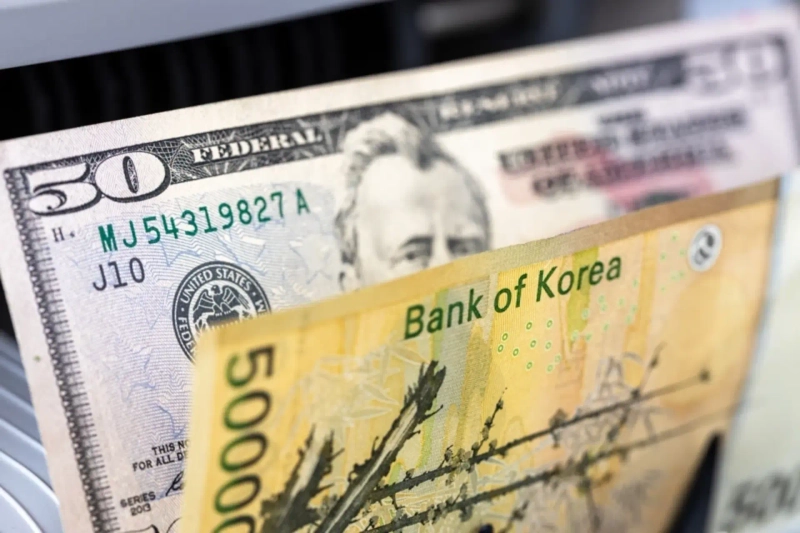
South Korea’s foreign-exchange and bond markets are set to take their cues this week from global oil prices and the outcome of the Federal Open Market Committee meeting. Market participants expect the won to trade in the mid- to upper-1,400 range against the dollar.
According to the Bank for International Settlements, the won’s real effective exchange rate fell 1.75 points from a month earlier to 82.99 last month, based on a 2000 benchmark of 100. That marked the lowest level since March 2009. The real effective exchange rate is a gauge of a currency’s purchasing power that reflects both exchange rates and prices in trading partner countries.
Last month, the won weakened to as low as 1,555.2 per dollar during intraday trading as foreign investors continued to be net sellers of South Korean stocks. This month, the currency recovered some ground as proceeds from SK Hynix’s American depositary receipt issuance were converted and exporters sold dollars into the market. The won ended last week at 1,458.5 per dollar.
Inflows from exporter dollar sales linked to strong semiconductor exports and expectations for an additional Bank of Korea rate increase are supporting the won, said Lee Jin-kyung, a senior researcher at Shinhan Securities. Despite lingering tensions in the Middle East, the won will likely move in the mid- to upper-1,400 range against the dollar this week, she added.
In the bond market, global oil prices and the outlook for interest rates remain the main drivers. Inflation pressure has picked up after Brent crude futures recently climbed back above $100 a barrel, fueling expectations for another Bank of Korea rate increase. The yield on South Korea’s three-year government bond rose to 3.959% on July 24, the highest level since November 2023.
In the US, the FOMC is scheduled to meet on July 28-29. Markets largely expect the Fed to leave interest rates unchanged. Still, any signal on the future path of monetary policy could increase volatility in the dollar as well as in South Korea’s currency and bond markets.

YM Lee
20min@bloomingbit.ioCrypto Chatterbox_ tlg@Bloomingbit_YMLEE