FSC Chief Urges Intraday Rebalancing for Single-Stock Leveraged Products
Summary
- Kim Byoung-hwan, chairman of the Financial Services Commission, said market volatility should be eased by spreading out the timing of rebalancing for single-stock leveraged products during the trading session.
- Financial authorities said they will tighten the minimum deposit requirement to 30 million won in cash starting July 31 and begin enforcing responsibility for managing ETF tracking gaps on Aug. 19.
- He said authorities will consider additional steps, including further raising investment requirements and setting investment caps for individual investors, if demand does not cool.
Forecast Trend Report by Period


Meeting With Financial Investment Industry on Measures to Improve Single-Stock Leveraged Products
"Reducing Predictive Trading Could Improve Fund Return Stability and Lower Operational Risk"
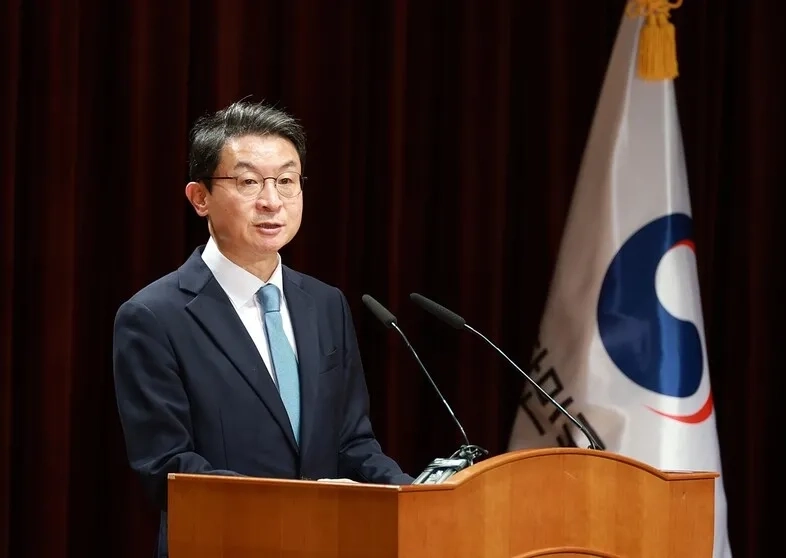
Kim Byoung-hwan, chairman of the Financial Services Commission, asked asset managers to spread out the timing of rebalancing for single-stock leveraged products during the trading session.
Kim made the request at a July 28 meeting with the financial investment industry at the Korea Financial Investment Association in Seoul's Yeouido district on measures to improve single-stock leveraged products. More active efforts are needed to ensure market stability, he said.
He said rebalancing in single-stock leveraged products tends to be concentrated just before the market close, fueling concerns that it amplifies market volatility. Firms need to disperse the timing of those trades, he added.
Moving rebalancing earlier into the session could increase uncertainty in fund returns or widen tracking error, Kim said. Still, if lower volatility at the close reduces predictive trading by other investors, that could improve the stability of fund returns and reduce operational risk.
Managers of single-stock leveraged ETFs currently often buy or sell shares in bulk between 3:20 p.m. and 3:30 p.m., just before the market closes, to match the products' target returns. If the underlying stock rises, they buy more, and if it falls, they sell more to maintain the daily return multiple.
Critics say that process adds to volatility, with additional selling in down markets and chase buying in rising markets. Splitting orders across multiple time periods during the session could reduce the concentration of trades just before the close.
At the same time, moving rebalancing earlier or spreading it out during the session could create a gap between the returns of the underlying spot asset or futures index and the actual product return.
Kim also said the market sees trading in current single-stock leveraged products as excessively heavy, citing participation by more than 20 liquidity providers per stock, increased executions among liquidity providers and expanded arbitrage trading. Efforts by the market to appropriately regulate liquidity on its own are urgently needed, he said.
Financial authorities earlier decided to tighten the minimum deposit requirement for single-stock leverage products to 30 million won ($21,600) in cash from a previous 10 million won ($7,200) combined in cash and eligible collateral securities, effective July 31. Stronger responsibility for asset managers to manage ETF tracking gaps will take effect on Aug. 19.
Kim also referred to possible additional measures after the latest steps are implemented.
Authorities will first closely examine the policy effects of the supplementary measures, including the tougher minimum deposit requirement taking effect on July 31, he said. If demand does not cool sufficiently, they will also review further steps in advance, including additional increases in investment requirements and investment caps for individual investors.
The industry is also discussing ways to manage overall exposure, including limiting purchases of single-stock leverage products to a certain proportion of an investor's total investment in financial products. Other measures under discussion include introducing simulated trading and new requirements for prior investment experience.
Noh Jung-dong, Hankyung.com reporter dong2@hankyung.com

Korea Economic Daily
hankyung@bloomingbit.ioThe Korea Economic Daily Global is a digital media where latest news on Korean companies, industries, and financial markets.