South Korea Plans ‘Korean IRA’ Tax Credits for Output in Six Strategic Industries From Next Year
Forecast Trend Report by Period


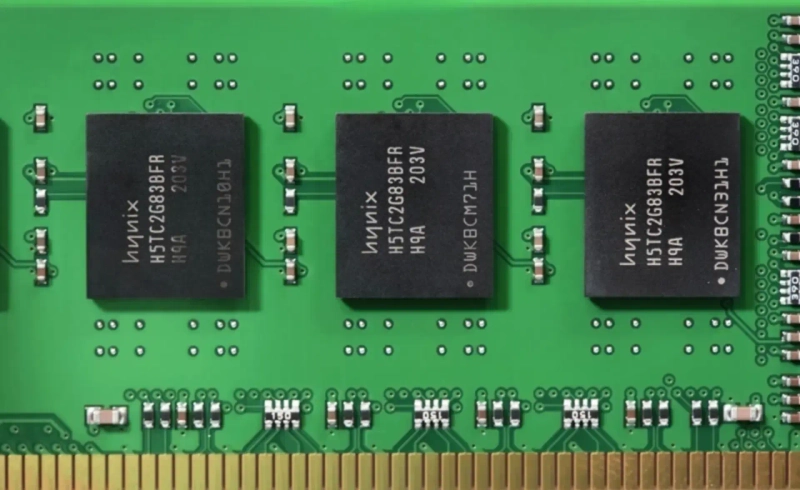
South Korea plans to introduce production tax credits next year for six strategic industries, including semiconductors, marking what officials are calling a Korean version of the US Inflation Reduction Act.
The government has so far offered selective tax benefits for investment in national strategic technologies such as semiconductors and other growth industries. It has not provided tax credits tied directly to corporate production. Concerns over weak tax revenue and the risk of trade friction had made officials reluctant to adopt such a system.
That stance has shifted as companies struggle to increase investment aggressively every year to qualify for tax breaks, while rival countries move to build domestic supply chains with production-based incentives.
The six categories targeted for production tax credits are semiconductors, solar power, secondary batteries, AI robots, wind power and core materials, parts and equipment. Record tax revenue projected through next year has eased concerns over the fiscal burden. The credits will apply only to goods produced and sold domestically, a design intended to minimize friction.
The six technologies are already covered by similar programs in countries including the US and Japan. The US supports domestic manufacturing with product-specific incentives, including 7 cents per watt for solar modules, $12 per square meter for wafers and 2 cents per watt for wind blades. Japan offers tax credits of 18,000 yen for each semiconductor image sensor and 50,000 yen per ton of green chemicals.
Rather than adopting a percentage-based system tied to production costs, the government plans to use a fixed-amount method that grants a set credit for each unit produced. The Ministry of Economy and Finance signaled the plan in its second-half economic growth strategy announced on July 14, specifying domestic production and sales volumes as the standard.
The government also plans parallel support for companies that cannot benefit from tax credits because they are loss-making. South Korea’s three battery makers, which have been in the red for years, do not pay corporate tax and therefore cannot claim such credits. Officials are weighing subsidies tied to output for those companies.
The tax revision bill due in early August will list only the six eligible categories, with details to be set out in an enforcement decree. For secondary batteries, the government is likely to set a fixed amount by unit, such as cells or modules, following the US model.
Kim Bit-maro, a research fellow at the Korea Institute of Public Finance, said active support is needed for key growth engines as low growth becomes entrenched. Periodic reassessments of eligible sectors will also be needed to minimize overlap with existing tax programs, he added.
Nam Jeong-min, Kim Ik-hwan and Jeong Hee-won, Hankyung.com reporters, peux@hankyung.com

Korea Economic Daily
hankyung@bloomingbit.ioThe Korea Economic Daily Global is a digital media where latest news on Korean companies, industries, and financial markets.