PiCK
Kim Yong-beom Says Leveraged ETFs Aren’t the Only Cause of Korea Stock Volatility
Summary
- Kim Yong-beom, the presidential chief policy aide, said volatility in South Korea’s stock market is not driven only by leveraged ETFs, but also by structural features of the country’s capital market and trading market.
- Kim said a high share of derivatives trading and the investor mix, including one of the world’s highest proportions of retail stock trading, are adding to volatility, and that the Financial Services Commission and Financial Supervisory Service are reviewing the issue.
- Kim said the recent increase in market volatility reflects a mix of factors, including the AI revolution, debate over whether big tech can sustain massive investment, China’s CXMT listing, and moves toward in-house development of lithography equipment.
Forecast Trend Report by Period


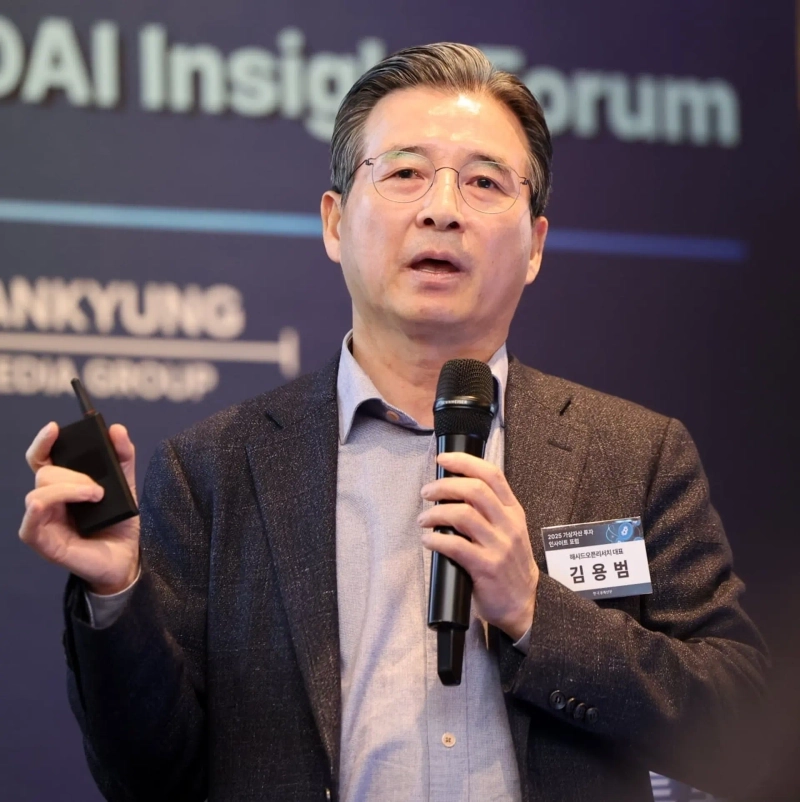
Kim Yong-beom, the presidential chief policy aide, pushed back on July 28 against criticism that single-stock leveraged exchange-traded funds have fueled volatility in South Korea’s stock market, saying the products are not the only cause of the swings.
Speaking at a briefing in Sao Paulo while accompanying President Lee Jae-myung on a state visit to Brazil, Kim said global market moves that register at “10” can appear as “20” or “30” in South Korea because of structural features in the country’s capital and trading markets.
The Financial Services Commission is making additional improvements to rules governing leveraged ETFs, he said. The FSC and the Financial Supervisory Service are also seeking to examine broader structural factors behind unusually sharp volatility.
Kim pointed to the market’s high share of derivatives trading and its investor mix. Individual investors account for one of the highest proportions of trading in the world in South Korea’s stock market. That sets it apart from developed markets such as the US, where institutional investors play a larger role. Those issues require serious review, he added.
Kim also argued that the recent increase in market volatility was directly sparked by conflicting assessments of the artificial intelligence revolution. “The AI revolution is real. Nobody doubts that now,” he said. But investors are questioning whether massive spending by the big tech companies leading that shift is sustainable. In his view, that debate is now playing out within the market.
He also cited the recent listing of China’s ChangXin Memory Technologies, or CXMT, and news that Chinese state-owned companies are developing their own lithography equipment. Those developments resembled the “DeepSeek shock,” he said. While volatility has been more pronounced in South Korea, the past two to three months have not been unique to the country, he added.
The “DeepSeek shock” refers to the selloff in US technology stocks early last year after Chinese startup DeepSeek released a low-cost AI model.
Han Jae-young, Hankyung reporter
jyhan@hankyung.com

Korea Economic Daily
hankyung@bloomingbit.ioThe Korea Economic Daily Global is a digital media where latest news on Korean companies, industries, and financial markets.