NPS Sidelined in Kospi Rout as Higher Domestic Stock Allocation Curbs Buying Power
Summary
- The National Pension Service’s buy low, sell high principle is faltering, leaving it unable to step in with large-scale buying even during the Kospi’s steep selloff.
- After the NPS expanded its domestic equity allocation and the allowable SAA and TAA bands, it missed a chance to cushion losses during the market slump.
- Market participants say that, given the NPS’s current asset mix, the Kospi may need to fall into the upper 3,000s before full-scale rebalancing purchases can begin.
Forecast Trend Report by Period


‘Buy Low, Sell High’ Rule Fails to Kick In
Action May Come Only if the Kospi Falls Below 4,000
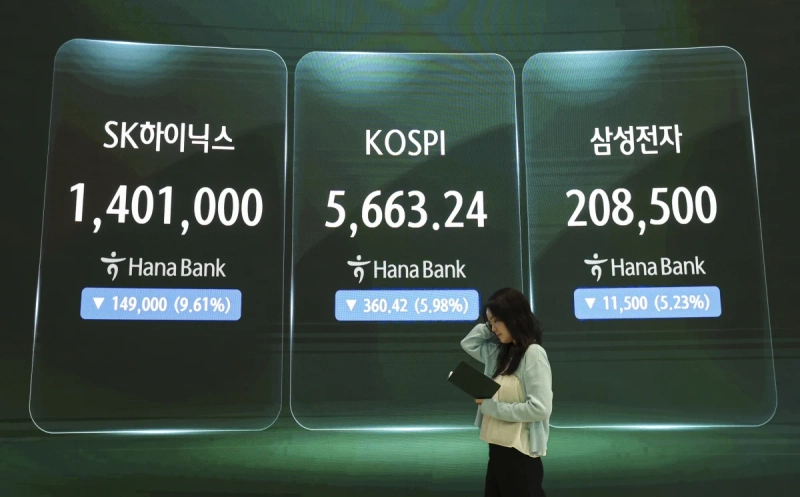
South Korea’s National Pension Service is struggling to stick to its “buy low, sell high” principle. After failing to trim stock holdings sufficiently near market highs, it has been unable to step in with large-scale purchases during the Kospi’s sharp slide.
On July 29, when the Kospi tumbled 5.98%, pension funds including the NPS bought 338.1 billion won ($244 million) of shares on the benchmark KOSPI market. A day earlier, the index had fallen 10.84% from the previous trading session, but net buying by pension funds reached only 116.5 billion won ($84.2 million). That was less than many had expected given the scale of the selloff and the NPS’s available firepower.
The NPS Fund Management Committee in May raised its target allocation to domestic equities to 20.8% from 14.9%. At the same time, it doubled the permitted range for strategic asset allocation, or SAA, to plus or minus 6 percentage points from plus or minus 3 percentage points. Including the tactical asset allocation, or TAA, band of plus or minus 2 percentage points, the allowable range for domestic equity holdings widened to 19.9% to 28.8% from 11.9% to 22.8%. The move was meant to prevent share-price declines caused by mechanical selling by the pension fund.
But as stock prices slumped, the side effects of the rule change began to emerge. The NPS did not sell enough domestic shares in May and June, when prices were higher, missing a chance to cushion losses. Its domestic equity allocation also remains within the expanded allowable range. Market participants say that, given the fund’s current asset mix, the Kospi may need to fall into the upper 3,000s before full-scale rebalancing purchases begin.
The NPS made a similar adjustment in 2021, when a stock-market rally increased the volume of domestic equity sales. Citing backlash from retail investors and potential market disruption, it widened the SAA tolerance band to plus or minus 3 percentage points from plus or minus 2 percentage points. The following year, as the Kospi plunged, the NPS posted a negative 22.75% return on domestic equities and a negative 8.28% return on the overall fund. That has prompted criticism that repeated tweaks to long-term asset-allocation rules in response to short-term market conditions have led to losses and constrained operations.
The government also appears to be standing back. There has been no move to convene a policy meeting or announce response measures. The NPS Investment Management division is in a similarly difficult position. It must follow decisions made by the Fund Management Committee, which includes multiple stakeholders, leaving it little room to respond independently to market conditions.
Min Kyung-jin, Korea Economic Daily reporter min@hankyung.com

Korea Economic Daily
hankyung@bloomingbit.ioThe Korea Economic Daily Global is a digital media where latest news on Korean companies, industries, and financial markets.