Trump Defends Warsh, Says Fed’s ‘Political Committee’ Wants Rates Unchanged: Fed Watch
Forecast Trend Report by Period


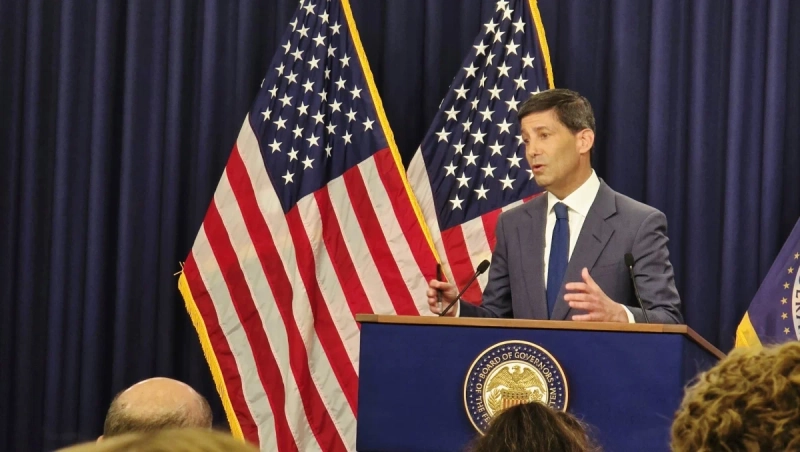
Kevin Warsh’s second press conference as Fed chair on July 29 left major questions hanging over markets and Washington. Warsh appears to believe it is not the central bank’s role to send markets a clear signal on policy direction. That meant many of the same questions were still swirling after the briefing.
Washington’s response was mixed after the Federal Open Market Committee meeting and Warsh’s press conference. Trump, who had previously argued that the US should have the lowest interest rates in the world, defended Warsh’s decision to leave rates unchanged. Asked by reporters for his view, the president said he knew Warsh wanted lower rates. He then said the Fed has a board and that the committee responsible for monetary policy is a political committee that wants to keep rates on hold. The comment implied Fed officials were politically blocking Warsh’s preference for lower rates.
Trump, who pushed out former Chair Jerome Powell and installed Warsh, is unlikely to admit that the Fed chief he appointed may not follow his wishes. His comments can be read in that context. They also conflict with Warsh’s own remarks at the press conference, where he said he was laser-focused on taming inflation and stressed that inflationary pressure has persisted for 63 months.
That political pressure is set to keep bearing down on Warsh. He has said he will act independently. But if he shows even limited support for a rate cut, markets may conclude Trump’s pressure is having an effect. That could push inflation expectations higher than Warsh intends. If Warsh appears to move in the opposite direction from Trump, markets may take comfort. Still, that would leave him carrying a heavy political burden. In particular, confusion could deepen if his stance diverges from Trump or the Treasury Department.
Markets moved in a different direction from what Warsh appeared to intend. Although he stressed the importance of inflation, he did not clearly explain why the Fed chose to hold rates steady this time.
Reporters repeatedly pressed him, but his answers remained thin. The yield on 30-year Treasuries then climbed sharply. That suggests rising concern over whether Warsh can bring inflation under control over the long term. Warsh said at the press conference that it was important to keep inflation expectations anchored around the target. Yet after the briefing ended, expectations instead appeared to surge well above 2%.
The war with Iran, which has shown little sign of ending, is also fueling inflation expectations. Immediately after the Fed press conference, Trump said he would carry out another attack on Iran. He vowed, using profanity, to hit the country very hard. Oil prices then resumed their climb. West Texas Intermediate for September delivery traded in the $84 range, up about 6.8% from the previous day.
Washington — Lee Sang-eun, Korea Economic Daily correspondent selee@hankyung.com

Korea Economic Daily
hankyung@bloomingbit.ioThe Korea Economic Daily Global is a digital media where latest news on Korean companies, industries, and financial markets.