Tesla Weighs Spinning Off or Selling China Business Ahead of Potential SpaceX Merger
Summary
- The Wall Street Journal reported that Elon Musk is considering several options for Tesla's China business, including a spinoff, sale or shutdown.
- WSJ said separating Tesla's China business is meant to reduce concerns tied to a potential merger with SpaceX, geopolitical risk and the supply chain.
- As regulatory and security concerns grow over links between SpaceX's defense business and Tesla's China factories, production technology and data, Tesla is considering a separate sales entity for its Shanghai operations and limits on access.
Forecast Trend Report by Period


Wall Street Journal report
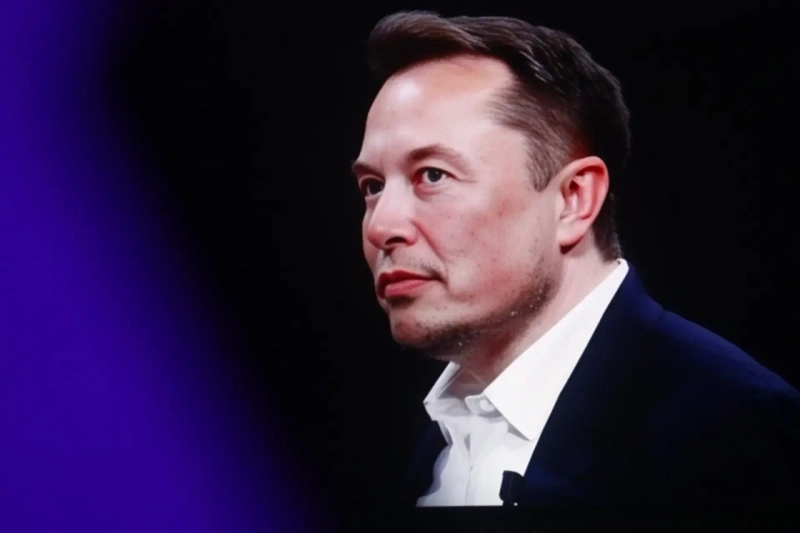
Elon Musk is weighing a plan to separate and potentially sell Tesla's China business, The Wall Street Journal reported, in a move aimed at reducing geopolitical risk ahead of any possible merger with SpaceX.
Citing multiple people familiar with the matter, the Journal reported on July 30 that some Tesla executives had been told to prepare for a separation of the China business. Advisers to the company are discussing options including a spinoff, sale or shutdown.
No final plan has been approved, and it remains unclear whether or when any such move would be carried out. Still, if a merger with SpaceX materializes, Tesla may need to carve out its China operations into a separate legal entity.
In recent months, Musk has been reshaping Tesla and SpaceX around artificial intelligence while highlighting synergies between the two companies. Since SpaceX completed an initial public offering in June that raised $86 billion, speculation about a merger has persisted.
Musk also did not fully rule out a merger during an earnings call last week. "Matters such as corporate mergers need to go through appropriate procedures," he said.
The Journal said Musk had for years instructed Tesla to keep its US and China operations strictly separate and draw clear boundaries between them, preparing for a possible escalation in tensions between Washington and Beijing. The goal was to ensure that at least Tesla's US business could continue operating independently even if a geopolitical conflict emerged between the two countries.
Musk was especially concerned about Tesla's heavy reliance on Chinese-made lithium iron phosphate, or LFP, batteries and semiconductors from Taiwan's TSMC, the Journal reported. He believed a military conflict, including a Chinese invasion of Taiwan, could disrupt supplies of critical components, and sources told the newspaper Tesla prepared response scenarios for this year and next.
A separation of Tesla's China business also has implications for SpaceX's defense operations. SpaceX is a major US government defense contractor, handling classified military satellite launches and battlefield internet services in Ukraine. Last year, 20.9% of its revenue came from the US government, and the company is subject to export controls and national-security regulations.
That could raise regulatory and security concerns if SpaceX were to merge with Tesla, because Tesla's factories, production technology and supply chain in China could become linked to the US defense industry. Chinese authorities may also react sensitively if SpaceX were to gain indirect access to Tesla's factories and technology in China, as well as data from about 2 million Tesla users there.
Tesla is also considering creating a separate sales entity to handle exports from its Shanghai plant and limiting China-based employees' access to global systems, according to the report. Tesla currently operates both vehicle and battery plants in Shanghai.
Ko Jung-sam, Hankyung.com reporter, jsk@hankyung.com

Korea Economic Daily
hankyung@bloomingbit.ioThe Korea Economic Daily Global is a digital media where latest news on Korean companies, industries, and financial markets.