US-Iran Talks Set for Aug. 4 as Hormuz Reopening Paves Way for Nuclear Negotiations
Summary
- Talks on reopening the Strait of Hormuz and easing tensions in the Middle East sent international oil prices down more than 5% intraday.
- OPEC+ agreed to raise output, while talks between Iran and Oman on managing the Strait of Hormuz have entered the final stage.
- Differences between the US and Iran over control of the strait and the collection of transit fees mean a final agreement could take considerable time.
Forecast Trend Report by Period


Control of strait emerges as key sticking point as oil drops more than 5% intraday
US says agreement on reopening with Oman came before talks
Easing Middle East tensions and an OPEC+ output increase
push Brent futures lower in Asian trading
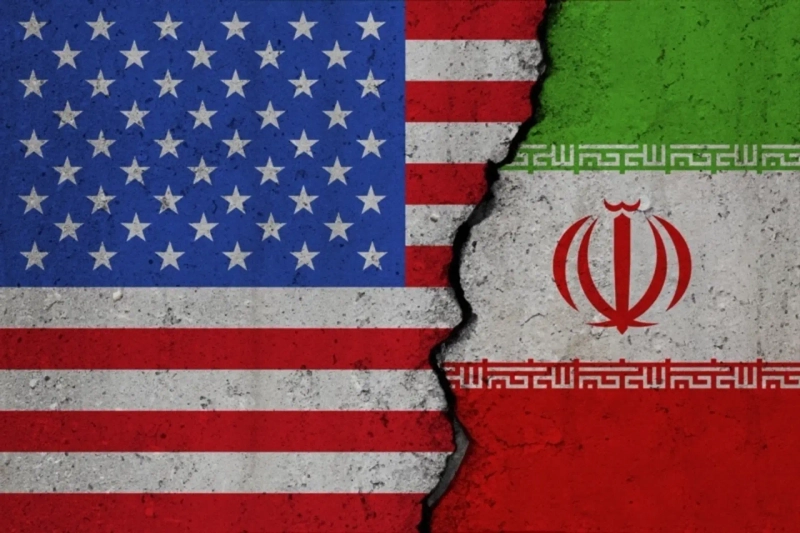
Talks on reopening the Strait of Hormuz are gathering pace between the US and Iran. Iran and Oman are close to a broad agreement on how the waterway would be managed, according to reports. President Donald Trump also confirmed that talks with Iran would resume on Aug. 3. In South Korea, that would be the morning of Aug. 4. The Wall Street Journal reported that Trump changed course after what it described as a frustrated victory over Iran.
Markets welcomed the easing in tensions. International oil prices tumbled as the risk of military conflict receded. Even so, prospects for a deal remain uncertain given the gap between Washington and Tehran over control of the strait.
◇Mohammed bin Salman urged Trump to pursue talks
Trump said on Aug. 2 that bilateral talks with Iran would resume over the reopening of the Strait of Hormuz. Speaking to reporters aboard Air Force One as he returned to Washington, he said there was an agreement on the strait. That would be followed by an agreement on the nuclear issue, or what he called Iran's denuclearization.
The move marked a sharp reversal from last week, when attacks on Iranian commercial vessels and strikes on US military bases had raised fears of all-out war. Saudi Crown Prince Mohammed bin Salman is seen as having played a role. Trump wrote on social media on Aug. 1 that Iran and other Middle Eastern countries had agreed to the framework of a deal and asked that any attack be put on hold. He later announced that military operations had been canceled.
That decision scrapped a major airstrike on Iran. The reversal was so sudden that even Israel, a US ally, was reportedly unaware of the move at the time.
◇Third shipping lane gains traction
Ahead of any talks with Washington, Iran and Oman are also in the final stage of consultations on a plan for managing the Strait of Hormuz. Iranian Foreign Minister Abbas Araghchi told local media on Aug. 2 that ongoing negotiations with Oman over vessel transit had entered the final stage.
Iran currently controls the northern route through the strait, while Oman oversees the southern route. The lane under discussion between the two sides could become a third route. Foreign Ministry spokesman Esmail Baghaei told state television that the two countries would reach agreement on a route acceptable to both sides. It would be neither the northern nor southern route, but one that respects both countries' sovereignty and protects Iran's national interests and security.
Brent and West Texas Intermediate front-month futures each fell more than 5% intraday in Asian trading as tensions in the Middle East eased. Prices were also pressured after seven OPEC+ members agreed to raise output by 188,000 barrels a day starting next month.
◇Control over the strait remains the key issue
Even so, skepticism remains over whether the US and Iran can reach a final agreement. The biggest obstacle is whether Washington is willing to recognize Tehran's control over the strait, including its right to collect transit fees. Iran has maintained that it will impose such fees, while the US argues that Tehran should have no role in passage through the waterway.
Iran's position has not changed. Baghaei said that under Article 5 of a memorandum of understanding on ending the conflict with the US, Iran should take charge of future management of the Strait of Hormuz after consultations with Oman and others. He added that under no circumstances would the strait return to its previous status.
Even if talks resume, reaching a deal could take considerable time. Suzanne Maloney, vice president for foreign policy at the Brookings Institution, told the Journal that negotiating a solution for the Strait of Hormuz that guarantees freedom of navigation would not be easy. She also said it was unclear whether the Trump administration had the focus needed for such negotiations. Vali Nasr, a Johns Hopkins University expert on Iran, said Trump is pursuing a diplomatic solution to avoid escalating military tensions, but has no clear path to declaring victory either diplomatically or militarily.
Hwang Jung-soo, New York correspondent, Korea Economic Daily hjs@hankyung.com

Korea Economic Daily
hankyung@bloomingbit.ioThe Korea Economic Daily Global is a digital media where latest news on Korean companies, industries, and financial markets.