NYT Says Iran, Oman Near Strait of Hormuz Deal With Service Fees
Summary
- Iran and Oman are nearing a deal to resume passage through the Strait of Hormuz that would effectively recognize Iran's control over the waterway.
- The proposal would not impose transit tolls on ships using the strait, but would introduce service fees for environmental response, security and labor costs, with Iran and Oman splitting the revenue equally.
- The 60-day ceasefire between the US and Iran is due to expire around August 12, but the report said an extension and continued negotiations into the fall remain under discussion.
Forecast Trend Report by Period


Iran and Oman are nearing an agreement to resume shipping through the Strait of Hormuz, in a deal that would effectively recognize Iran's control over the waterway.
The New York Times reported on August 3, citing Iranian and US officials, that the two sides had narrowed talks to specific terms. Under the proposal, ships entering the Persian Gulf through the strait would use the Iranian shipping lane, while vessels leaving the gulf would use the Omani lane. Esmail Baghaei, spokesman for Iran's Foreign Ministry, said the two countries had exchanged maps showing the transit routes through the strait.
The plan would not impose transit tolls on vessels using the strait. Instead, it would introduce service fees tied to environmental response, security and labor costs, according to the Iranian side. Iranian officials told the Times that Iran and Oman would split the revenue equally.
That would amount to a broad victory for a position Iran has pressed since the early stages of the 60-day ceasefire it agreed with the US in June. A US official, however, told the Times that Iran's description was "inaccurate" and emphasized that there would be no transit charges.
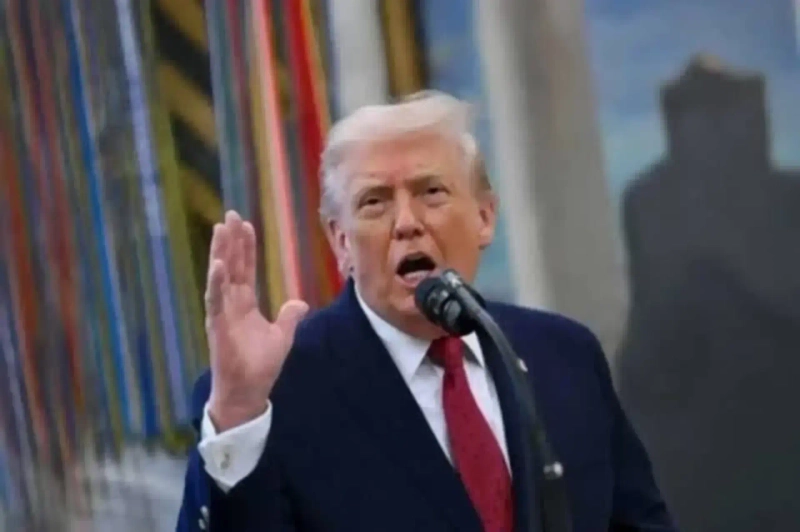
President Donald Trump said on August 3 that the Strait of Hormuz could reopen "literally tomorrow." He said the first phase of any agreement with Iran would be reopening the strait and the second would be denuclearization. Trump, who has raised pressure on Tehran by mentioning options including decapitation strikes against Iran's leaders, again called it a "last chance" and urged Iran to change course. He also said he would not stand by if charges were imposed for passage through the strait. But he did not specifically address the Iran-Oman understanding, which would effectively give Iran operational control over the waterway.
The 60-day ceasefire the US and Iran agreed to in June is due to expire around August 12. The two sides are also discussing extending it further. The Times said officials acknowledge negotiations could continue into the fall.
Lee Sang-eun, Washington correspondent, selee@hankyung.com

Korea Economic Daily
hankyung@bloomingbit.ioThe Korea Economic Daily Global is a digital media where latest news on Korean companies, industries, and financial markets.