US Treasury’s Bessent Flags ‘Excessive Volatility’ in Won, Raising Hopes for Currency Stability
Summary
- US Treasury Secretary Scott Bessent said the Korean won has shown excessive volatility as he discussed the expected effects of foreign-exchange market intervention.
- The won has recently moved in tandem with the yen and continued to weaken against the dollar, while posting a larger decline and wider swings.
- The Trump administration wants a recovery in the won’s value and a stable trend, as a weak won makes it harder for Korean companies to invest in the US.
Forecast Trend Report by Period


After US-Japan foreign-exchange intervention
Won strengthens alongside yen
Weaker won raises burden of Korean investment in US
Trump administration also wants won stability
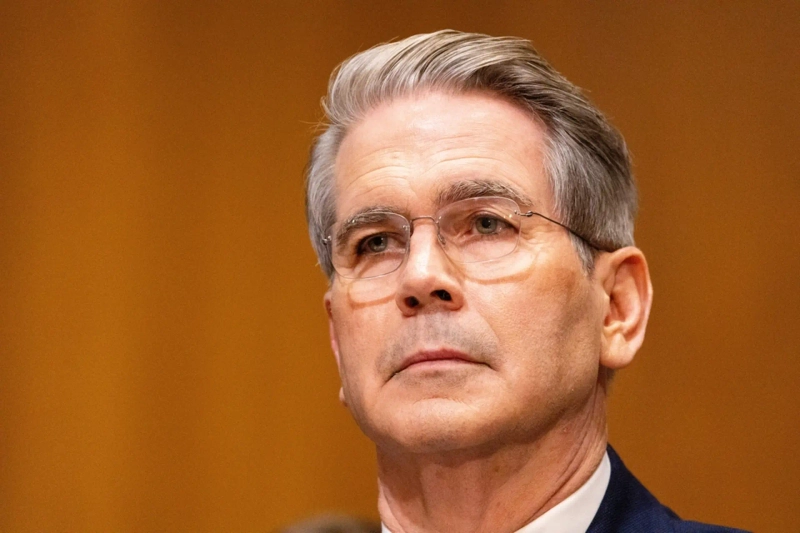
US Treasury Secretary Scott Bessent said the Korean won has shown excessive volatility as he described the expected impact of foreign-exchange market intervention.
Bessent told CNBC on August 4 that if the yen remains substantially weak, other currencies will follow. “We have seen excessive volatility in the Korean won, and many people believe the Chinese yuan is undervalued,” he said. The US and Japan have been consulting closely to stabilize the yen, he added, and Washington would do whatever it could to support Japan.
The won has recently moved in tandem with the yen, extending its weakness against the dollar while showing bigger swings than the Japanese currency. In May, the yen depreciated 2% against the dollar, while the won fell 4.6%. In June, the yen appreciated 3.8% against the dollar, but the won weakened 7.1%, trading in the mid-1,500 won-per-dollar range.
Bessent’s remarks suggest the won also needs to move away from excessive weakness and return to a more stable pattern. When the US and Japan intervened in foreign-exchange markets, the won strengthened as well, prompting market talk that South Korean authorities may also have stepped into the market. A weaker won also makes it harder for Korean companies to invest in the US, one reason the Trump administration wants the currency to recover alongside the yen.
Bessent said Japan is expected to pursue policies that bring the yen back to a “normal equilibrium price.” He said market intervention alone cannot reverse an exchange-rate trend and that monetary policy, fiscal policy and economic fundamentals ultimately determine the yen’s value. Asked whether the Bank of Japan needs to raise rates further, he said Governor Kazuo Ueda has indicated he will take the necessary steps.
Hwang Jung-soo, New York correspondent, Hankyung.com, hjs@hankyung.com

Korea Economic Daily
hankyung@bloomingbit.ioThe Korea Economic Daily Global is a digital media where latest news on Korean companies, industries, and financial markets.