Cho Kuk Calls Single-Stock Leveraged ETF Rollout a Policy Failure, Seeks Accountability for Kim Yong-beom
Summary
- Cho said the introduction of single-stock leveraged ETFs was “a clear policy failure” and a failure of state-led finance.
- He said 62% of forced-liquidation accounts belonged to young investors aged 35 or younger, and that young people who invested trusting government policy suffered heavy losses.
- Cho said the mysterious rollout of single-stock leveraged ETFs and the delayed response require accountability for policy officials and a full inspection of the entire process.
Forecast Trend Report by Period


“The ruling Democratic Party is staying silent, so I will speak from the red-team position”
Cho raises responsibility questions over Kim Yong-beom, Yoon Chang-ryeol, Lee Eok-won and Lee Chan-jin
“The government should invest in young people, not urge them to buy stocks”
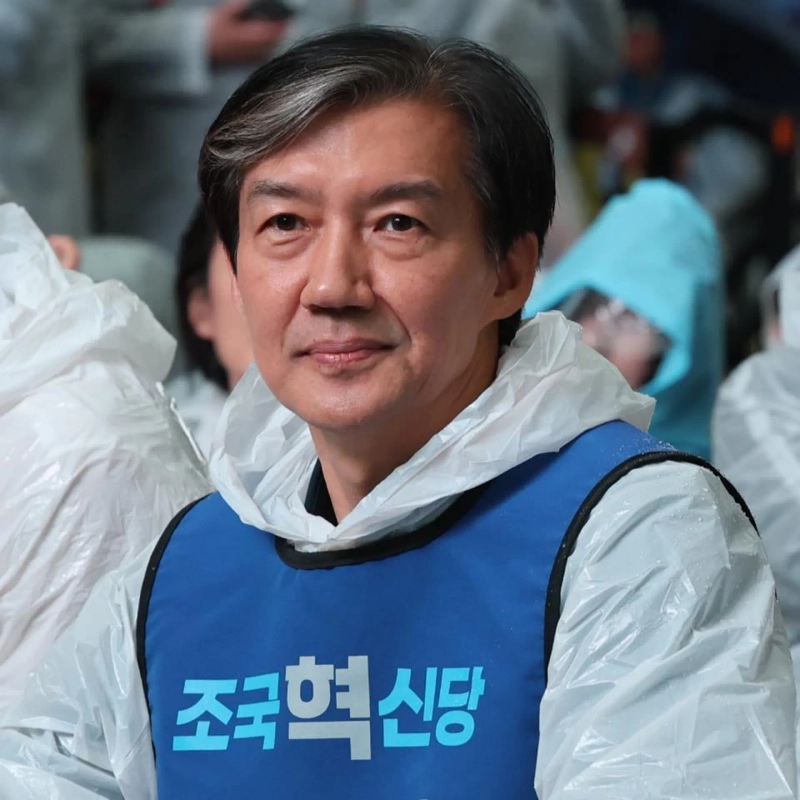
Cho Kuk, head of the Innovation Policy Institute of the Rebuilding Korea Party, called the single-stock leveraged exchange-traded fund episode a “clear policy failure” and demanded accountability for policy officials including Kim Yong-beom, the presidential chief policy aide.
In a social media post on Aug. 5, Cho said he was speaking “from the red-team position” because the ruling Democratic Party had remained silent. He called the government’s introduction of single-stock leveraged ETFs “a clear policy failure.”
He described the episode as a failure of state-led finance. In his view, the current situation was the product of government-directed financial policymaking led by Kim and involving the presidential policy office, the Office for Government Policy Coordination, the Financial Services Commission and the Financial Supervisory Service.
Cho also questioned how the products were introduced. He wrote that experts had warned the move was rushed, but the presidential policy chief pushed for the rollout and built momentum for it. Sixteen single-stock leveraged ETFs were launched just before the June 3 election.
He then pointed to remarks made after the election. On June 22, Lee Chan-jin, governor of the Financial Supervisory Service, said regulators “should have lain down to stop it.” Cho said that made the policymaking process impossible to regard as anything but a mystery.
Cho also said young investors suffered heavy losses. He cited the fact that 62% of forced-liquidation accounts belonged to investors aged 35 or younger. Young people who entered the market trusting government policy suffered major losses, he wrote, and such a clear failure of state-led finance could not be glossed over.
He also called for policy officials to be held responsible. Cho said accountability should extend to Kim, Yoon Chang-ryeol, head of the Office for Government Policy Coordination, Lee Eok-won, chairman of the Financial Services Commission, and Lee Chan-jin, governor of the Financial Supervisory Service.
He argued that the entire process should be laid bare, from what he called the inexplicable rollout to the delayed response that worsened losses and the ineffective stopgap measures that followed. Those responsible, he said, must be held to account.
Cho also called for an inspection by the Office of the Senior Presidential Secretary for Civil Affairs. Citing his own past experience as senior civil affairs secretary, he wrote that the office needed to investigate those involved in the episode.
He said that was also necessary for the success of President Lee Jae-myung’s government. It would also respond to the anger of people “shedding tears of blood” after being forced into liquidation, he wrote.
Cho said the government should return to its original goal of ushering in a “Kospi 5000 era.” It should become a government that invests in young people, he added, rather than one that encourages them to invest in stocks.
Shin Hyun-bo, Hankyung.com reporter greaterfool@hankyung.com

Korea Economic Daily
hankyung@bloomingbit.ioThe Korea Economic Daily Global is a digital media where latest news on Korean companies, industries, and financial markets.