US July Payrolls Unexpectedly Fall 23,000, Unemployment Rate Slips to 4.1%
Summary
- US nonfarm payrolls fell by 23,000, confirming weakness in the labor market and signs of an economic slowdown.
- The weaker jobs data reduced the likelihood of an additional Fed rate hike in September, with the probability of an increase falling from 58% to 44%.
- Expectations for less tightening lifted New York stock-index futures, while the dollar weakened.
Forecast Trend Report by Period


Unemployment Rate Edges Down to 4.1%
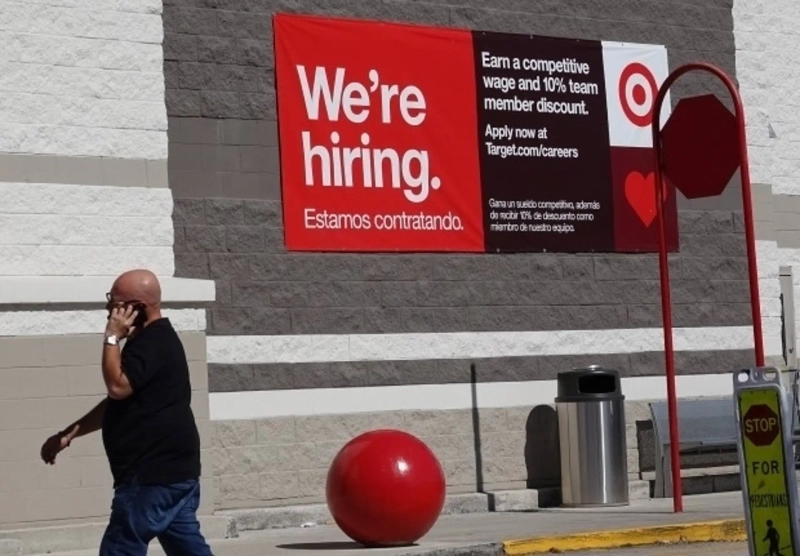
US nonfarm payrolls unexpectedly fell in July, adding to evidence of a weakening labor market. The report also pointed to a broader economic slowdown, tempering expectations for another interest-rate increase.
The Bureau of Labor Statistics said on August 7 that nonfarm payrolls fell by 23,000 last month from June. That was far below economists’ forecasts for an increase of 85,000. It also marked a sharp reversal from the 57,000 jobs added in June. Payroll gains for May and June were revised down by a combined 103,000.
The unemployment rate dipped to 4.1% from 4.2% a month earlier, while the labor-force participation rate fell to 61.4%, the lowest since February 2021. Wage growth also lost momentum. Average hourly earnings rose 0.1% from June and 3.2% from a year earlier in July.
The weaker-than-expected employment data lowered the odds of another Federal Reserve rate increase in September. CME FedWatch showed the probability implied by US interest-rate futures fell to 44% from 58% immediately after the report. New York stock-index futures rose on expectations for less tightening, while the dollar weakened.
The employment report was the first major economic indicator since Fed Chair Kevin Warsh scrapped forward guidance. With markets now more dependent on incoming data, attention is likely to turn to the consumer price index due on August 12.
Kim Mi-ri, Hankyung.com reporter mirimiri@hankyung.com

Korea Economic Daily
hankyung@bloomingbit.ioThe Korea Economic Daily Global is a digital media where latest news on Korean companies, industries, and financial markets.