‘I Thought It Was a Cambodia Trip’: Sanitation Worker’s Court Lie Brings Perjury Conviction
Forecast Trend Report by Period


Left South Korea knowing he was taking illegal work, then actively joined the scam ring saying he would “soon become a team leader”
Claimed he left the operation on his own, but the court said he was expelled after internal conflict

A man who took part in a romance scam and cryptocurrency investment fraud operation at a crime compound in Cambodia was also convicted of perjury after falsely testifying that he thought he was going on a trip. He had left South Korea after hearing specific pay terms before joining the criminal group, but later told the court he believed he was traveling to Cambodia for leisure. He also exaggerated the length of his confinement. The court sentenced him to three years in prison, finding that he knew about the criminal scheme before leaving the country and played an active role inside the organization.
Joined romance scam and fraud ring, saying he was confident he would do well
On Aug. 9, the legal community said the criminal panel of the Seoul Eastern District Court had sentenced the defendant, identified only as A, to three years in prison on July 24. He was convicted of violating South Korea’s Special Act on Prevention of Telecommunications Financial Fraud and Refund of Fraud Losses, as well as fraud and perjury.
A had worked as a sanitation worker. In February 2025, at a residence in Chungju, he accepted an offer from accomplices who told him he could make a large amount of money by doing illegal work in Cambodia. Investigators found that he was given specific compensation terms, including a base salary of about 2 million won ($1,450) and incentives tied to performance.
In March 2025, A left for Cambodia through Incheon International Airport with three accomplices and entered a crime compound in Sihanoukville later that month. The local organization split roles among a kingpin, managers, people who approached victims, and recruiters tasked with obtaining borrowed-name bank accounts and new members, and carried out romance scams and cryptocurrency investment fraud.
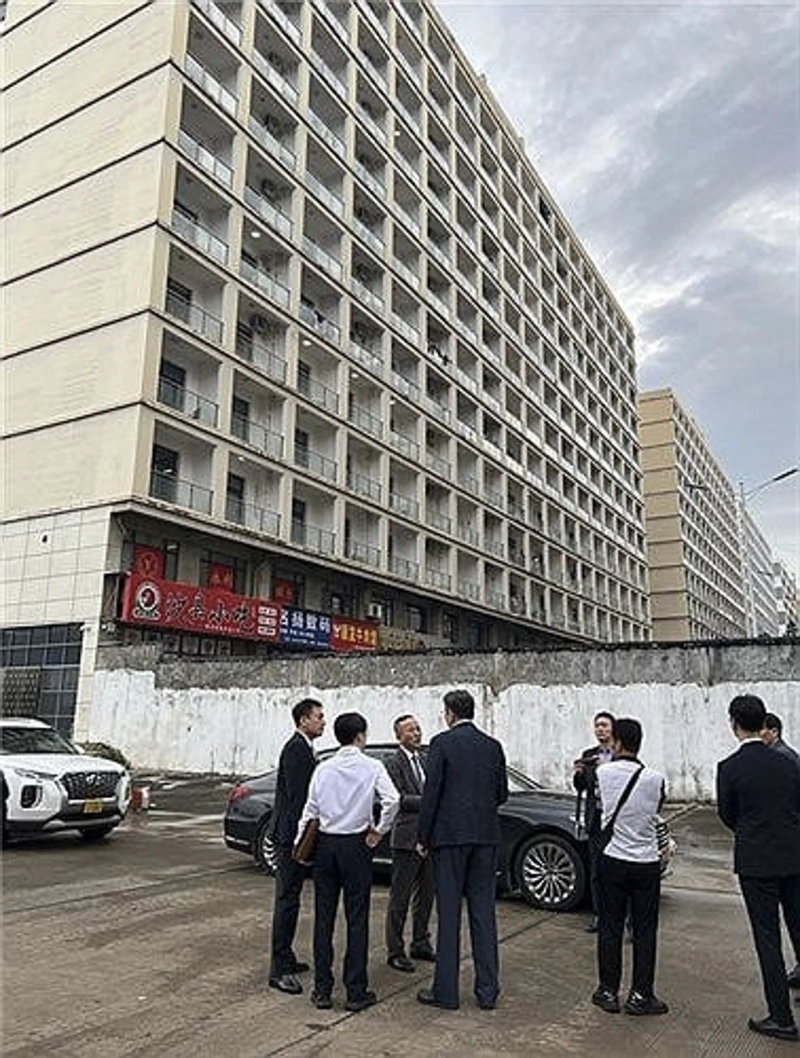
A was trained in scam methods at the compound and joined the operation. Following instructions from his superiors, he moved computers and desks, installed apps used for the fraud along with a virtual private network, or VPN, and helped set up the office. He also directly approached victims through a messaging platform and shared fraud methods and required information with other members.
The ruling also described signs of his active participation. After entering the compound, A said in substance that he was confident he would do well and would soon become a team leader. The court also found that he expressed regret after being blocked while trying to get a victim to install a cryptocurrency wallet.
In one case, members of the group approached a victim, identified only as B, through KakaoTalk in March 2025 while posing as a 37-year-old woman and building intimacy. Two days later, they persuaded the victim to install a cryptocurrency trading app and falsely claimed that an investment of 1 million won ($720) could generate nearly 200,000 won ($145) a day in profit. B then sent a total of 183.6 million won ($133,000) in 22 transfers between March 27 and April 11, 2025.
A returned from Cambodia in late March 2025. At trial, he argued that he had not successfully deceived any victim directly and had withdrawn from the conspiracy before any victim funds were remitted, so his conduct amounted only to an attempted crime.
The court rejected that argument. It found that A did not voluntarily stop the crime or escape, but was expelled because of internal problems within the organization. He was assaulted after secretly filming a manager having sex and then separated from other members. The court also found evidence that he told another accomplice they should photograph the managers’ faces and extort money from them.
‘I thought it was a trip’ testimony led to perjury conviction, with confinement period exaggerated
A also committed perjury in court. In November 2025, after returning to South Korea, he appeared as a witness in a co-defendant’s case at the Seoul Eastern District Court and falsely testified about how he became involved. He said one accomplice had suggested they go to Cambodia for about a week for fun, making it appear that he had left the country without knowing he was going there for illegal work. He also testified that another accomplice had spoken only about traveling to Cambodia and food, and nothing else.
But in a prosecution interview in January 2026, A said one accomplice had urged him to try the work too, saying he was earning 30 million won to 40 million won a month ($21,700 to $29,000). Investigators also found that before leaving, A told an acquaintance in substance that he was going to check for himself whether the accomplice was making money overseas. They further found that he discussed going abroad to make money in a gathering with his girlfriend and the accomplices.
He also exaggerated the length of his isolation. In the accomplice’s trial, A said he had been confined for about a week before returning to South Korea. But he had told prosecutors in detail that he was isolated after being assaulted in late March 2025 and left Cambodia on the night of March 30, 2025. The court found that he had been separated from other members for only about two days.
A’s lawyers argued that he had simply failed to recall events accurately and had no intention of committing perjury. The court disagreed, saying he had given detailed statements to investigators about the departure proposal, compensation terms and timing of his isolation, and that the false testimony could not be treated as a simple memory lapse. His claim that he thought it was a trip despite knowing he was leaving for illegal work, and his assertion that about two days of isolation lasted a week, were deliberate falsehoods aimed at avoiding or reducing criminal liability, the court said.
The court said A had tried to hide and minimize his wrongdoing and had obstructed the search for the truth by giving false testimony. It also said his role was not minor because he joined the crime while under a suspended sentence and took part in advance preparations for the fraud, deceiving victims and teaching methods to other accomplices. He made no effort to recover the victims’ losses and had not been forgiven by the victim, the court said.
Choi Young-chong, Hankyung.com reporter youngchoi@hankyung.com

Korea Economic Daily
hankyung@bloomingbit.ioThe Korea Economic Daily Global is a digital media where latest news on Korean companies, industries, and financial markets.