More Than 7 in 10 Former Top-100 Cryptocurrencies Are Effectively Defunct
Summary
- CryptoRank said 71.9% of cryptocurrencies that previously entered the top 100 by market capitalization were classified as effectively inactive.
- CryptoRank said the average lifespan of top-100 cryptocurrencies was only about two years and four months, and estimated that 62% of the current top 100 could stop operating within five years.
- Experts said that when investing in cryptocurrencies, it is important to look beyond market-cap rankings and also review trading volume, continuity of development, the actual user base, and whether the token remains listed on major exchanges, while also maintaining diversification.
Forecast Trend Report by Period


More than seven in 10 cryptocurrencies that once ranked among the top 100 by market capitalization have effectively stopped operating, suggesting that market value alone is a poor gauge of long-term survival.
Crypto data platform CryptoRank said on August 10 that 71.9% of cryptocurrencies that had previously entered the top 100 by market capitalization are now classified as effectively inactive.
CryptoRank analyzed 1,539 cryptocurrencies that at one point broke into the top 100 by market value. It classified a project as inactive if its daily trading volume stayed below $10,000 for 90 consecutive days and it had been delisted from major exchanges.
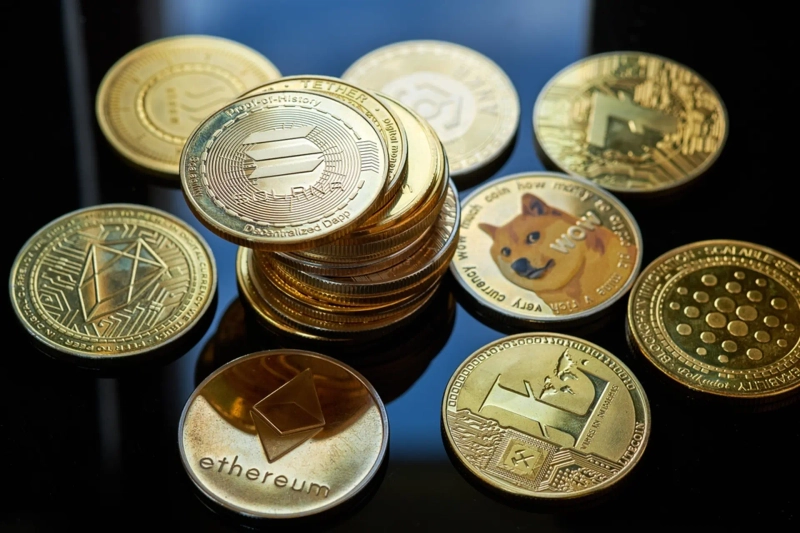
Reaching the top ranks did not guarantee longevity. The average lifespan of the cryptocurrencies in the analysis was only about two years and four months. That means many projects rose into the top tier on the back of early investor interest and liquidity, only to fail to survive over the longer term.
The current top 100 is no exception. CryptoRank estimated that 62% of the cryptocurrencies now in the top 100 could stop operating within five years. The share projected to shut down within 10 years climbed to 84.7%.
Projects disappear for several reasons, including failure to attract users, regulatory pressure and intense competition. Even when a token draws strong early attention, trading activity can fall quickly if development stalls or liquidity proves insufficient.
Market conditions also shape survival. In a bull market, investor demand can lift newer projects to high valuations. In a downturn, projects with weaker technology and thinner user bases tend to be hit first.
That is why investors need to be cautious with lesser-known altcoins. They may offer the prospect of high short-term returns, but their value can effectively disappear if trading volume dries up or development is halted.
Experts advise investors not to rely solely on market-cap rankings when buying cryptocurrencies. Trading volume, continuity of development, the size of the actual user base and whether a token remains listed on major exchanges should also be reviewed. Diversification is also important to avoid overconcentration in a single asset.
Some view the high failure rate as part of a shakeout in the crypto industry. In that view, less competitive projects are pushed out and the market is reorganized around cryptocurrencies that can withstand volatility and regulatory pressure.
Lee Song-ryeol, Hankyung.com reporter yisr0203@hankyung.com

Korea Economic Daily
hankyung@bloomingbit.ioThe Korea Economic Daily Global is a digital media where latest news on Korean companies, industries, and financial markets.