Yen Falls Back to 159 Per Dollar, Erasing Half of US-Japan Intervention Gains
Summary
- The yen fell back into the 159-yen range against the dollar, giving up more than half of the gains made after the joint intervention.
- Japanese companies’ real-demand dollar buying and rising energy prices are adding to downward pressure on the yen.
- If the yen weakens beyond 160 yen and slides into the 162-yen range, the possibility of another joint intervention will become the biggest variable in the foreign-exchange market.
Forecast Trend Report by Period


Gives Back Half Its Gains in Five Trading Days
Speculative Yen Shorts Drop 70%
Corporate Dollar Buying Continues
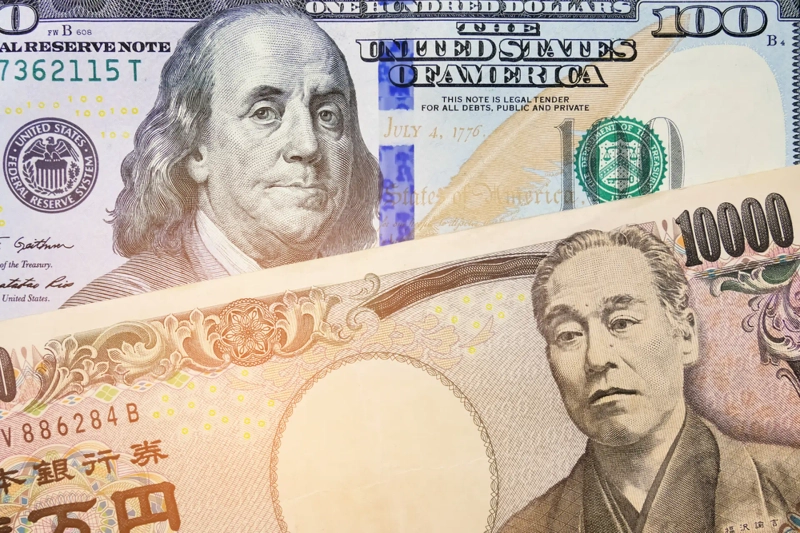
The effect of the unusual joint yen-buying intervention by the US and Japanese governments late last month is fading quickly. The yen has slipped back into the 159-per-dollar range, surrendering more than half of its post-intervention advance. Markets are now watching whether Japan’s government and the Bank of Japan will step in again if the currency weakens beyond 160 per dollar.
In New York foreign-exchange trading on Aug. 10, the yen at one point fell into the 159-per-dollar range. It was the weakest level since US and Japanese authorities carried out their joint intervention in late July.
The yen was trading around 162.80 per dollar just before the intervention on July 30. It then strengthened to about 155.20 on Aug. 3 after large-scale yen-buying operations. That was a rise of as much as 7.6 yen in just three trading days.
The move has since reversed. Over the past five trading days, the yen has given back more than half of the gains triggered by the intervention. In the market, 159 is viewed as a key technical threshold. A 50% retracement of the previous move could signal a return toward pre-intervention levels.
Weak US employment data also failed to sustain yen strength. After US jobs figures on Aug. 7 came in far below market expectations, the yen briefly strengthened to 156.60 per dollar. The buying lasted less than a day, and by Aug. 10 the currency had returned to levels seen before the report.
Charts also show the yen’s rebound failed to take hold as a trend. The currency briefly broke above its 200-day moving average in a yen-positive direction, but failed to hold the level and resumed weakening.
Market participants say the joint intervention succeeded in curbing speculative yen selling, but did not change the structural forces driving the currency lower.
Data from the US Commodity Futures Trading Commission showed net short yen positions held by speculative traders, including hedge funds, stood at 45,473 contracts as of Aug. 4, down about 70% from a week earlier. That was the largest weekly drop on record. The decline indicates speculators engaged in large-scale short covering after the intervention.
Even so, the yen has resumed weakening because Japanese companies continue to buy dollars for real demand. Rising energy prices, especially crude oil, are adding to the pressure.
Pro-Iran armed groups in Yemen attacked Saudi Arabian oil facilities with drones on Aug. 9, heightening concerns over energy supplies. West Texas Intermediate crude rose into the $82-a-barrel range at one point on Aug. 10.
Japan imports most of its energy, so higher oil prices raise import costs and worsen the trade balance. Japanese importers buy dollars and sell yen to settle payments, reinforcing downward pressure on the currency.
Attention is turning back to the 160-per-dollar level. Trading volume tends to thin as market participants in Japan and the US head into summer vacations and Japan’s Obon holiday period, increasing exchange-rate volatility. For authorities, that means relatively small amounts of intervention can move the market more sharply.
Still, any further intervention may have limited impact if yen selling tied to real demand persists. The joint operation succeeded in forcing speculators to unwind short-yen positions, but it is harder to change Japan’s heavy reliance on imported energy and companies’ demand for dollars.
If the yen weakens beyond 160 and slides back into the 162-per-dollar range seen before the intervention, whether US and Japanese authorities opt for another round of joint action will become the key variable in the foreign-exchange market.
Choi Man-su, Tokyo correspondent, Korea Economic Daily, bebop@hankyung.com

Korea Economic Daily
hankyung@bloomingbit.ioThe Korea Economic Daily Global is a digital media where latest news on Korean companies, industries, and financial markets.