Summary
- The report said global oil prices climbed back above $80 a barrel as the U.S. and Iran remained at odds over reopening the Strait of Hormuz.
- Traders said Iran's additional demands increased the likelihood that a near-term supply shortage would persist.
- The report said the U.S. Strategic Petroleum Reserve (SPR) fell to its lowest level in 43 years, adding to upward pressure on oil prices.
Forecast Trend Report by Period


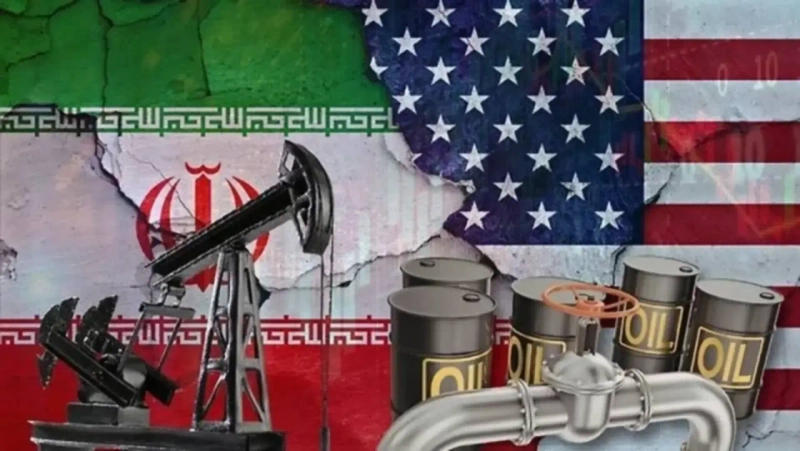
Oil prices jumped again as a widening dispute between the U.S. and Iran over reopening the Strait of Hormuz fueled concerns about supply.
Brent crude for October settlement closed at $87.72 a barrel on Aug. 10 on ICE Futures Europe in London, up 5.0% from the previous session. West Texas Intermediate for September delivery rose 5.1% to $82.13 a barrel on the New York Mercantile Exchange. The gains came after both countries made additional demands over reopening the strait.
Iran presented six demands as preconditions for reopening the Strait of Hormuz, going beyond the memorandum of understanding the two countries signed in June. They include ending the U.S. maritime blockade, a permanent halt to attacks, the withdrawal of U.S. troops from areas around Iran, compensation for airstrike damage, the lifting of sanctions on Iran and the release of Iran's frozen assets. Dennis Kissler, senior vice president at BOK Financial, said most traders now see a greater chance that near-term supply shortages will persist after Iran added new demands.
President Donald Trump rejected Iran's stance in a social media post later that day, writing that Iran should instead pay compensation for past terrorism and the killing of protesters at home. A day earlier, Trump had said negotiations were proceeding in a "low key" manner and refrained from responding directly. Reuters said Trump's latest comments could complicate efforts to reopen the strait.
Concerns about further disruptions to Middle East energy supplies also added to upward pressure on prices. Yemen's Iran-aligned Houthi rebels said a day earlier that they had attacked an Aramco refinery in Saudi Arabia's Jizan region. The U.S. Strategic Petroleum Reserve fell by about 6.1 million barrels last week to 298.7 million barrels, according to the U.S. Department of Energy. That was the lowest level since January 1983.
Kim Dong-hyun, Hankyung.com reporter, 3code@hankyung.com

Korea Economic Daily
hankyung@bloomingbit.ioThe Korea Economic Daily Global is a digital media where latest news on Korean companies, industries, and financial markets.