BOK Says Inflation Will Stay High Longer, Signals August Rate Hike
Summary
- Yoo Sang-dai said high inflation will last longer and that, absent a special shock to the economy, there is a strong chance of an additional benchmark rate increase.
- Markets took the remarks as raising the likelihood of an August benchmark rate hike.
- Yoo said inflation will remain elevated because of core inflation, rising nominal income and demand pressure tied to the economic recovery.
Forecast Trend Report by Period


"Inflation will stay high for longer, even if it does not rise to the levels seen during the Russia-Ukraine war. Unless there is a special shock to the economy, there is a strong chance the benchmark interest rate will be raised further."
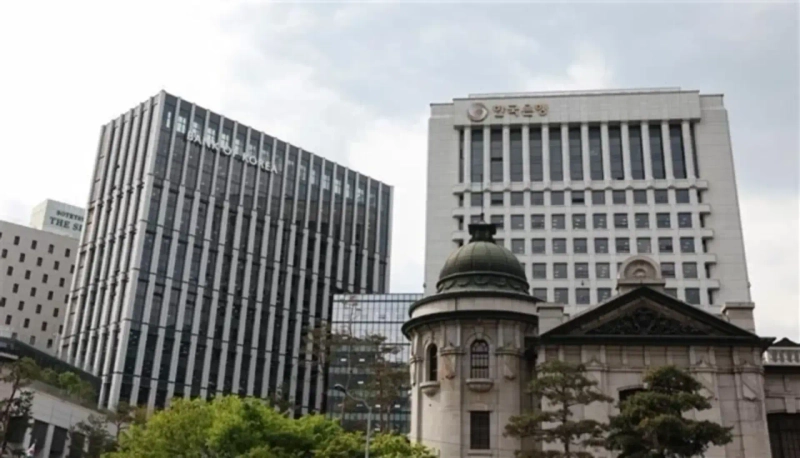
Yoo Sang-dai, senior deputy governor at the Bank of Korea, made the remarks at a press briefing in Seoul on Aug. 11, ahead of his retirement on Aug. 20. Monetary policy, he said, must respond preemptively. Markets took the comments as increasing the likelihood of a benchmark rate hike in August.
Yoo said he does not expect inflation to rise as much as it did during the Russia-Ukraine war. Still, demand pressure from the economic recovery, rather than an oil-price shock on the supply side, is expected to push up core inflation gradually and persistently, creating a policy dilemma.
He said rapid nominal income growth would spill over into domestic demand. Higher cost pressures, along with stronger demand as the economy improves, will keep inflation rising at a fast pace, he said. Yoo added that if he were to take part in the Aug. 27 rate decision, he would consider credit-card spending, customs export data and the BOK's August economic outlook.
Citing past episodes including periods of rising US inflation, Yoo said the longer inflation remains above target, the stronger the transmission channels become through inflation expectations and wage growth. If public confidence that inflation will return to target weakens and inflation anchoring does not work properly, a prolonged failure to meet the inflation goal can slow the easing of price pressures even under tighter monetary policy and widen the negative impact on output, he said.
Asked whether the recent drop in stock prices and the won-dollar exchange rate would affect the August rate decision, Yoo said they were not very important factors. What matters, he added, is whether core inflation remains high and whether economic growth continues.
Shim Seong-mi, Hankyung.com reporter smshim@hankyung.com

Korea Economic Daily
hankyung@bloomingbit.ioThe Korea Economic Daily Global is a digital media where latest news on Korean companies, industries, and financial markets.