Nvidia Draws $500 Billion Bet on AI Chips as Wall Street Weighs GPU Value Over a Decade
Forecast Trend Report by Period


Wall Street Watches the Residual Value of Nvidia AI Chips
Case Builds That Their Value May Hold Up Over Time
Nvidia is testing whether AI semiconductors can become a new financial asset. The company is building a $500 billion AI infrastructure financing platform with major Wall Street firms. The central question is whether graphics processing units used in data centers can retain collateral value over time, much like cars or aircraft. That has set up a debate between expectations that older chips can generate revenue for years as AI demand expands and concerns that rapid technological change could erode their value.
The Financial Times and other media reported on August 13 that Nvidia signed memorandums of understanding three days earlier with six financial firms: Apollo Global Management, BlackRock, Blackstone, Brookfield Asset Management, Goldman Sachs and KKR. The agreements center on creating dedicated large-scale funding pools for AI infrastructure.
For the firms involved, the key issue is the residual value of AI chips. Executives at participating firms expect Nvidia chip prices to remain high for longer than anticipated as competition continues for the components underpinning the AI boom.
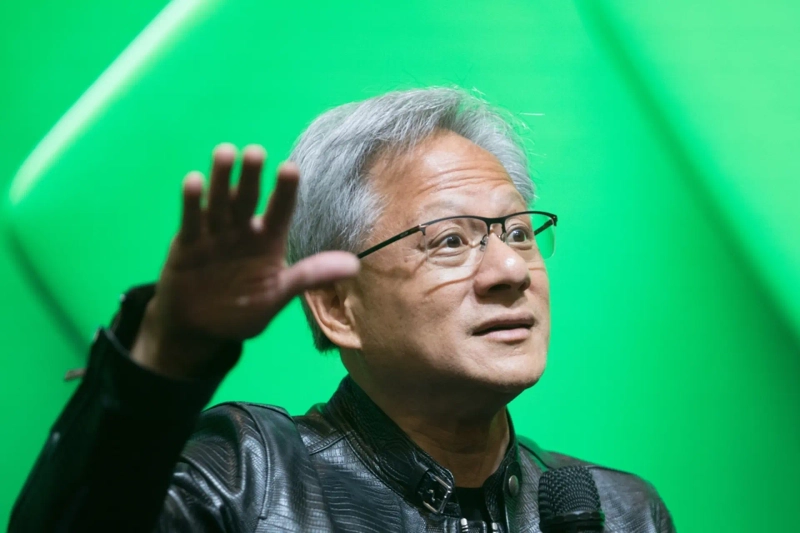
Chief Executive Officer Jensen Huang said the agreements could help create a new asset class built around chips. His vision is for the market to become a suitable investment target for the $22 trillion private capital industry. Blackstone President Jon Gray and BlackRock Chief Executive Officer Larry Fink have also signaled a willingness to commit capital to the data centers needed to train and run the latest AI models.
The question is whether the chips can keep generating enough cash over time. Rental cars and commercial aircraft can be reassigned to other customers if borrowers default. AI chips are different: technological change is rapid and demand is volatile, making it harder to judge how much value they can retain over the long term.
Ben Bajarin, a technology analyst at Silicon Valley consultancy Creative Strategies, said the model depends on whether investment can continue. He cited overproduction, slowing demand and improvements in models that reduce the computing power required as key risks.
That helps explain why lenders financing GPU leases often require full principal repayment within three to five years. They are concerned that the underlying chips could lose substantial value over time. Ultimately, the success of the financing model will hinge on how steadily Nvidia hardware can generate cash over the life of a loan.
Huang believes demand will support that case. He said older H100 chips are holding their value longer than expected because demand for computing power has surged. Rental rates for chips have also risen recently, he said, and the A100, launched six years ago, is still being used beyond its originally expected lifespan.
An executive at a private equity firm participating in the platform told the Financial Times that GPUs have intrinsic value and that Nvidia has more than 10 years of track record in GPU leasing. Another fund executive said GPU leasing could standardize pricing and improve efficiency for AI companies.
Kim Dae-young, Hankyung.com reporter kdy@hankyung.com

Korea Economic Daily
hankyung@bloomingbit.ioThe Korea Economic Daily Global is a digital media where latest news on Korean companies, industries, and financial markets.