Iran Hard-Liners Distrusted June Truce MOU, Prepared for Wider Conflict With US, WSJ Reports
Summary
- Iranian hard-liners reportedly distrusted the ceasefire MOU with the US and saw it as an effort to buy time for a larger attack.
- The Islamic Revolutionary Guard Corps (IRGC) accelerated missile and drone production and expanded the battlefield to the Strait of Hormuz and the Red Sea to strengthen its control.
- Middle Eastern intelligence officials said a 'salami tactic' to widen the war is underway, with Iran-linked forces repeatedly attacking Saudi oil facilities, US military bases and UAE vessels.
Forecast Trend Report by Period


WSJ report
'Peace talks were a way to buy time'
'They regrouped and built the foundation for further attacks'
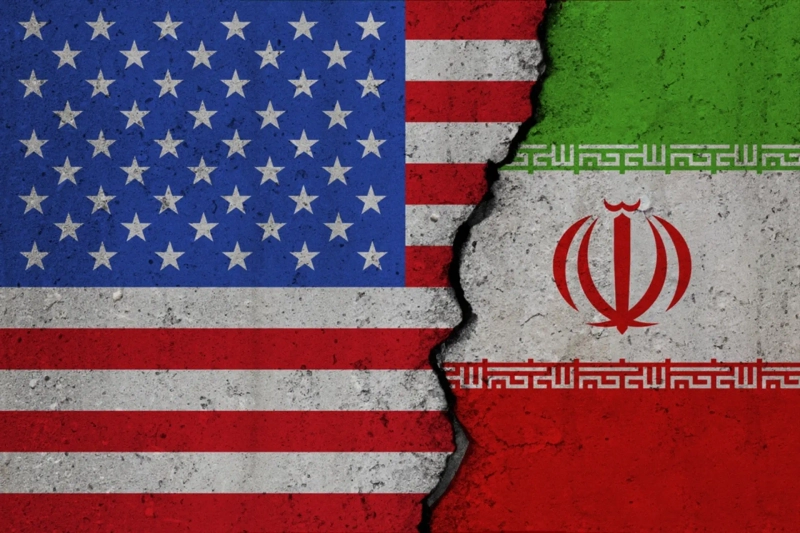
Iranian hard-liners did not trust the memorandum of understanding to end hostilities signed with the US in June and instead prepared for a broader military confrontation with Washington, The Wall Street Journal reported on August 16.
Citing Iranian and Middle Eastern officials, the newspaper said hard-liners in Tehran viewed the truce MOU as little more than a tactic to buy time for a larger attack. Rather than putting faith in negotiations, they spent the past two months preparing for escalation.
Those preparations included expanding the Islamic Revolutionary Guard Corps' control over the regular military, appointing veterans with experience in the Iraq War and domestic crackdowns to key posts, and accelerating missile and drone production.
While Iranian diplomats were preparing for peace talks with the US, Iran's reclusive supreme leader, Ayatollah Seyyed Mojtaba Khamenei, reorganized the security apparatus for a wider conflict. As a result, Iran's hard-line leadership was able to move quickly, seize the initiative and tighten control over the Strait of Hormuz by attacking ships.
It also expanded the battlefield to the Red Sea, which had been used as an alternative route after the Strait of Hormuz was blocked. Middle Eastern intelligence officials cited by the Journal said communications intercepts and other intelligence showed evidence of a strategic shift by Iran's hard-line leadership to regroup, widen the war and maximize the cost to the US.
The IRGC used the lull created by the MOU to lay the groundwork for intensifying attacks with allied forces if needed. It sent commanders to Houthi-controlled areas of Yemen and drew up plans to coordinate with pro-Iran militias in Iraq to widen armed clashes with Saudi Arabia, the report said.
The plans for escalation also included cutting undersea communications cables in the Persian Gulf, stoking unrest in Shiite-populated countries such as Kuwait and Bahrain, and carrying out ground operations in Kuwait, according to the Journal.
Since last month, Iran-linked forces have intensified attacks, hitting Saudi oil facilities, US military bases and United Arab Emirates vessels in the Strait of Hormuz.
Sardar Mohebi, an IRGC spokesman, told Iran's semi-official Tasnim News Agency last month that "we made the most of the ceasefire period." He added that Iran had strengthened its capabilities, increased missile production and improved missile precision.
The Journal said Iran's preparations underscore a stark gap with the US in how each side views the war and reflect deep mistrust that makes it difficult for the two countries to reach a durable agreement to end the conflict anytime soon.
Mohammad Hassan Santarashi, a Tehran-based defense expert close to the Iranian government, said there is a widespread view inside Iran that a full-scale war has not yet begun. What has unfolded so far, he said, can be interpreted as a limited and gradual "salami tactic" aimed at weakening capabilities ahead of a bigger clash.
Ko Jung-sam, Hankyung.com reporter jsk@hankyung.com

Korea Economic Daily
hankyung@bloomingbit.ioThe Korea Economic Daily Global is a digital media where latest news on Korean companies, industries, and financial markets.