PiCK
Japan 10-Year Yield Hits 2.93%, Highest Since 1996, Deepening BOJ Rate Dilemma
Forecast Trend Report by Period


Takaichi fiscal push adds pressure as 10-year yield climbs to 2.93%
Private consumption falls for first time in two years
Capital spending and housing investment also decline in second quarter
Weak growth argues against a rate increase
But yen weakness and bond-market jitters complicate BOJ timing
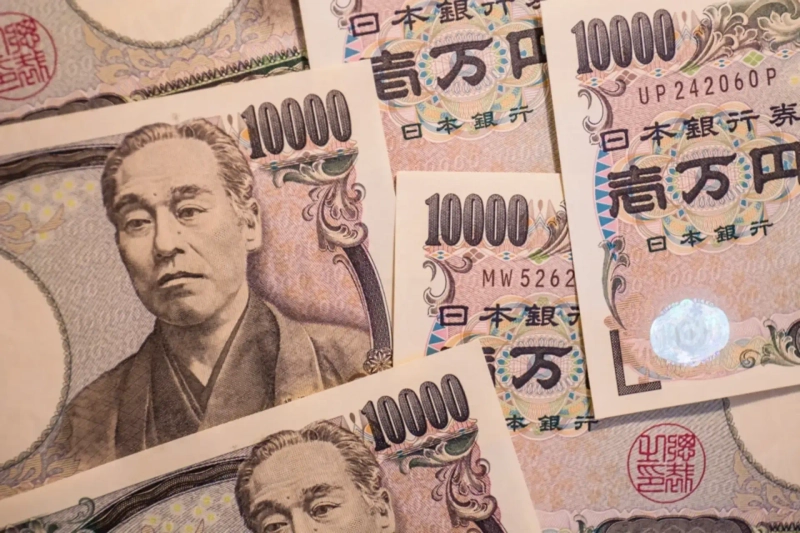
Japan's economy grew for a third straight quarter, but second-quarter growth was only about half of market expectations. Private consumption and capital investment both declined. At the same time, long-term government bond yields climbed to their highest level in nearly 30 years, highlighting the Bank of Japan's dilemma as it weighs an early rate increase to curb yen weakness and inflation while investors also fret about heavier bond issuance under Prime Minister Sanae Takaichi's expansionary fiscal policy.
◇ Domestic demand turns negative
Japan's Cabinet Office said on Aug. 17 that preliminary real gross domestic product for April through June rose 0.3% from the previous quarter, or 1.1% at an annualized rate, after adjusting for inflation. The economy expanded for a third consecutive quarter, but the result was far below market forecasts for growth of about 2% annualized. It also trailed South Korea's 3.7% and the U.S.'s 1.5%.
The breakdown was weaker still. Domestic demand subtracted 0.2 percentage point from growth, turning negative for the first time in three quarters. Private consumption, which accounts for about half of GDP, fell 0.02%, the first decline in eight quarters. Capital spending dropped 1.2%, marking a second straight quarterly fall. Housing investment slipped 0.5%.
External factors added 0.5 percentage point to growth. But the boost came more from falling imports than rising exports. Exports increased 0.5% from the previous quarter, while imports fell 1.5%. That reflected a sharp decline in crude oil imports after the Strait of Hormuz was blockaded. Private inventories also added 0.3 percentage point to growth. In other words, lower imports and bigger inventories, rather than consumer spending and investment, propped up GDP.
In Tokyo bond trading on Aug. 17, the yield on Japan's 10-year government bond, a key market benchmark, rose as high as 2.93%. That was the highest level since September 1996. Bond prices and yields move in opposite directions, indicating selling pressure in Japanese government bonds intensified.
Shorter-dated yields, which are more sensitive to policy-rate expectations, also advanced. The two-year yield rose as high as 1.68%, while the five-year yield reached 2.15%, a fresh record high.
Markets are focused on the possibility of an early Bank of Japan rate increase. Expectations are spreading that the BOJ could raise its policy rate to 1.25% from 1% as early as its September monetary policy meeting and then speed up the pace of further increases.
That view strengthened after Japan's government and the BOJ joined U.S. monetary authorities in coordinated foreign-exchange intervention to buy yen on July 31. To preserve the effect of intervention backed by U.S. cooperation, pressure could build on the BOJ to narrow the U.S.-Japan interest-rate gap, a main driver of yen weakness.
The U.S. has also signaled its hopes for BOJ action. Treasury Secretary Scott Bessent told CNBC on Aug. 4, referring to BOJ Governor Kazuo Ueda, that he believed Ueda "will do what is necessary."
Hawkish voices are also gaining strength inside the BOJ. In a summary of opinions from the bank's July monetary policy meeting released on Aug. 10, one member said the degree of monetary easing needed to be adjusted more quickly because of inflation risks.
◇ Takaichi pushes consumption-tax cut
Inflation pressure, another driver of rising yields, has yet to ease. Japan's second-quarter GDP deflator, also released on Aug. 17, rose 2.6% from a year earlier. Real GDP grew just 1.1% at an annualized rate, but nominal GDP rose 4.8%, underscoring the effect of higher prices.
Takaichi's expansionary fiscal policy is also pushing bond yields higher. The government plans to cut the consumption tax on food for two years starting in April 2027, but it has yet to secure a specific funding source. It has also removed the ceiling on budget requests in growth and crisis-management areas, adding to expectations for higher fiscal spending and increased government bond issuance.
That leaves the BOJ in a deeper bind. Based on growth alone, it would be difficult to rush into higher rates. Private consumption and capital spending both fell, and second-quarter growth came in well below market expectations.
But if yen weakness and inflation are left unchecked, households' real incomes and consumption could come under further pressure. If the government's aggressive fiscal stance also increases bond supply concerns, yields could rise faster regardless of monetary policy. Finance Minister Satsuki Katayama told the Nikkei in an interview on Aug. 17 that strategy on bond issuance, including timing and size, was important and that decisions should be made after consulting with the BOJ and assessing overall economic conditions.
Tokyo - Choi Man-su, Korea Economic Daily correspondent bebop@hankyung.com

Korea Economic Daily
hankyung@bloomingbit.ioThe Korea Economic Daily Global is a digital media where latest news on Korean companies, industries, and financial markets.