Korean Stocks Reset as 860 Shares Rise, Rally Broadens Beyond Samsung and SK Hynix
Summary
- South Korean stocks resumed their rally alongside global equities as concerns about U.S. interest-rate increases eased and oil prices and the exchange rate stabilized.
- The Kospi has risen more than 20% from its recent low, while the S&P 500 index again set a record high, underscoring broad strength across global equity markets.
- The market’s concentration in Samsung Electronics and SK Hynix has eased, with 860 of 918 shares advancing as single-stock leverage rules and strong earnings outside semiconductors helped broaden the rally.
Forecast Trend Report by Period


Move breaks from concentration in Samsung Electronics and SK Hynix as 860 shares advance
Easing U.S. rate fears and steadier oil and currency markets revive the rally
Deutsche Bank says markets are pricing in a “Goldilocks” mix
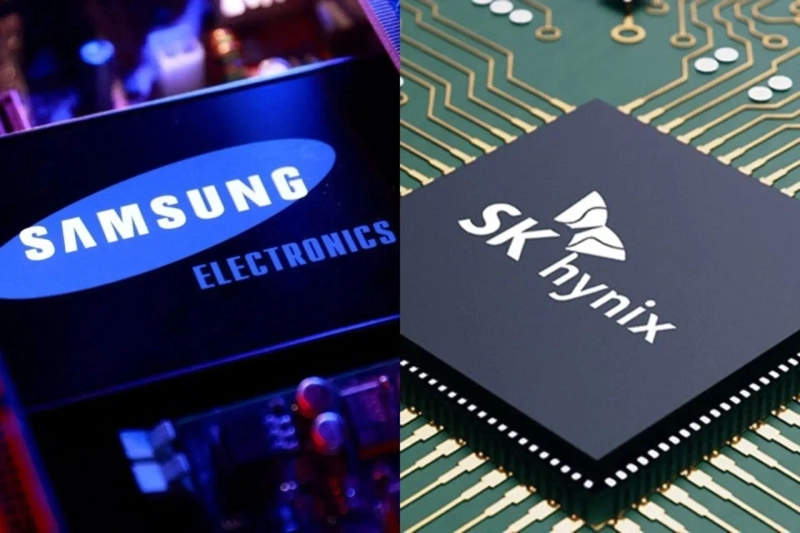
Stocks have entered a new phase after a sharp correction. Corporate earnings and other fundamentals have held up, concerns about further U.S. interest-rate increases have eased, and crude oil prices and exchange rates have stabilized. That has helped global equities resume their rally. In South Korea, gains have spread beyond semiconductor heavyweights, with most stocks rising and bolstering expectations for a more durable advance.
According to the Korea Exchange, the Kospi rose 11.49% last week to 6,977.94 from 6,258.77. The index has gained more than 20% from its late-July low. Global equities also climbed broadly last week. In Asia, Japan’s Nikkei 225 rose 4.74% and Taiwan’s Taiex added 3.58%, while the S&P 500 again set a record high.
Corporate earnings and a supportive macroeconomic backdrop drove the global rally. Henry Allen, a macro strategist at Deutsche Bank, said markets are pricing in a “Goldilocks” mix of resilient growth, only modest rate increases by central banks, temporary supply shocks from the Middle East crisis and renewed declines in oil prices, the Financial Times reported.
South Korea also got support from a steadier currency market. In Seoul foreign-exchange trading, the won-dollar rate fell by nearly 20 won this month to 1,416.1 won per dollar from 1,434.5 won. The move appears to reflect strong intervention by foreign-exchange authorities, along with foreign investors returning to the local market after leverage-related strains eased.
Another sign of the shift is the market’s move away from concentration in Samsung Electronics and SK Hynix toward broader stock picking. From Aug. 31 to Sept. 14, 860 of the 918 stocks traded on the main board, or 93.7%, rose while the Kospi gained 24.74%. That contrasts with 241 advancing shares during the May 4-14 rally, when the index rose 20.95%, and 195 during the May 21-June 2 advance, when it climbed 22.09%. The broader participation reflects tighter leverage rules on single-stock products and strong earnings from companies outside the semiconductor sector.
Kang Jin-kyu and Lee Sun-a, Hankyung.com reporters josep@hankyung.com

Korea Economic Daily
hankyung@bloomingbit.ioThe Korea Economic Daily Global is a digital media where latest news on Korean companies, industries, and financial markets.