Japan Rattles US Treasuries as 30-Year Yield Hits 19-Year High
Forecast Trend Report by Period


Japan’s long-term yield rises to 2.93%, the highest in 30 years
Higher domestic yields may draw Japanese institutional money home
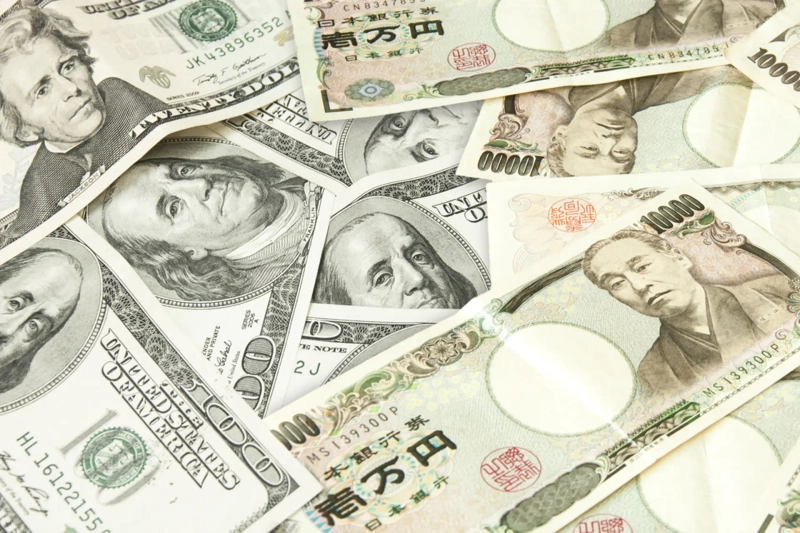
Rising Japanese yields are shaking the US Treasury market. Japan’s long-term government bond yield has climbed to its highest level in 30 years, stoking concern that Japanese institutional investors may shift funds out of US Treasuries and into domestic bonds. At the same time, deteriorating US fiscal conditions and a surge in corporate bond issuance tied to artificial intelligence investment have helped drive ultra-long Treasury yields into the 5.3% range, the highest in 19 years.
In the US Treasury market on Aug. 17, the 30-year yield briefly rose to 5.31%, its highest level since June 2007. The 20-year yield also climbed into the 5.3% range at one point, the highest since October 2023. The benchmark 10-year yield rose to 4.72%, posting its highest close since July 31.
One of the market’s biggest concerns is the possibility of repatriation by Japanese investors. Japan’s long-term yield briefly jumped to 2.93% on Aug. 17, the highest level in 30 years. That has made domestic bonds more attractive for Japanese institutional investors, which had previously bought overseas assets such as US Treasuries to escape ultra-low yields at home.
After factoring in currency-hedging costs, ultra-long US Treasuries look far less attractive on a relative basis. JPMorgan said Japanese purchases of US government debt had helped keep long-term US yields low, but that force is now moving in the opposite direction.
Japan is the largest foreign holder of US Treasuries. Even if large-scale repatriation does not materialize, a pullback in new purchases or less reinvestment of maturing funds by Japanese institutional investors could still weigh on Treasury demand.
The worsening US fiscal picture is also pushing yields higher. By July in fiscal 2026, the cumulative US budget deficit had already exceeded the previous year’s full-year shortfall of $1.775 trillion. Higher military spending tied to a prolonged conflict with Iran, along with rising Social Security and interest costs, is adding pressure to public finances.
Fitch projects the US fiscal deficit will reach 7.4% of gross domestic product in both 2026 and 2027. Concern that the government will have to increase Treasury issuance to finance those deficits is feeding the rise in ultra-long yields.
The AI investment boom is creating another headwind for Treasuries. US technology companies are sharply increasing bond issuance and borrowing to fund data-center construction and other spending. Data-center-related financing has already reached $269 billion this year, roughly double last year’s total.
That is setting up competition between the US government and tech companies for long-term capital. Investors are comparing higher-yielding corporate bonds with Treasuries, which could weaken demand for government debt.
By contrast, the two-year Treasury yield has been falling recently. Weaker-than-expected producer price and labor data have reduced expectations that the Federal Reserve will resume raising interest rates soon. That has contributed to twist steepening in the yield curve, with short-dated yields falling while ultra-long yields rise.
Investors are now watching the $16 billion auction of 20-year Treasuries scheduled for Aug. 19. Whether higher Japanese yields trigger actual repatriation or elevated yields draw fresh buying may determine the next move in ultra-long US rates.
Tokyo-based correspondent Choi Man-su, bebop@hankyung.com

Korea Economic Daily
hankyung@bloomingbit.ioThe Korea Economic Daily Global is a digital media where latest news on Korean companies, industries, and financial markets.