Iran Pushes Back on US Sanctions Threat, Says Now Is Time to End War
Summary
- The US Treasury secretary said Washington would impose the strongest sanctions in history on Iran, unveil a plan for economic pressure on Iran, and pursue the collapse of the Iranian regime.
- Iran strongly pushed back, calling the US measures economic terrorism, a crime against humanity, unjust sanctions, economic warfare, and cognitive warfare.
- Iran also stressed the need to leverage the resources and raw materials of Islamic countries, reduce dependence on the US dollar, expand the use of local currencies, and strengthen economic cooperation between the two countries.
Forecast Trend Report by Period


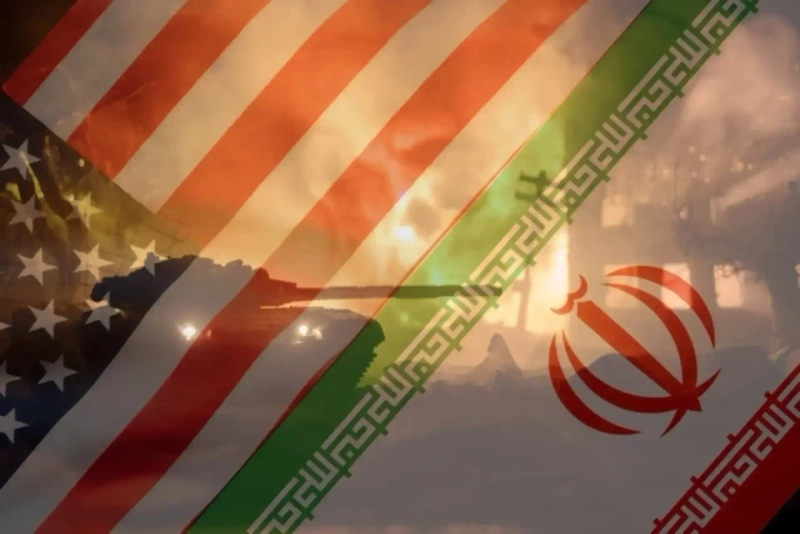
Iran reacted angrily to Washington’s threat of sweeping new economic pressure and signaled it could respond militarily.
Masoud Pezeshkian, Iran’s president, told a meeting with medical workers on Aug. 21 that Iran now holds the upper hand over the US and that the time has come to end the war, according to AFP and Reuters.
"It is better to end the war now, when we have strength and dignity," he said. "The world recognizes our victory. It is also pointing out that the US violated the rules by attacking schools, hospitals and infrastructure, and that it is hated around the world."
Iran’s Foreign Ministry, in a statement, called the US measures "economic terrorism" and "a crime against humanity." Those who imposed and encouraged the sanctions should face trial and punishment for committing "heinous crimes," it said.
Iran’s military also signaled a tough response. Local media reported that Ali Abdollahi, chief of staff of Iran’s armed forces, said the military was prepared across all domains, including land, sea, air, air defense and cyber. Any new threat would be met with an overwhelming, punitive and destructive response, he said.
Mohammad Bagher Ghalibaf, speaker of Iran’s parliament and Iran’s representative in talks on ending the war, called the US move to tighten sanctions unjustified. He said it reflected Washington’s view that it could not overpower Iran militarily.
Addressing Iranian and Iraqi business leaders on Aug. 21, Ghalibaf said the resources and raw materials of Islamic countries show that Iran’s enemies come to plunder them. He added that Iran must draw up plans to overcome what he called unfair sanctions.
Ghalibaf also said the economy and security are closely linked. He argued that the US and Israel, having concluded they had little chance of winning a direct military clash with Iran and Iraq, had instead turned to economic warfare and what he called "cognitive warfare."
He also urged Iran and Iraq to expand the use of local currencies in trade to reduce reliance on the US dollar and strengthen economic cooperation between the two countries.
Meanwhile, US Treasury Secretary Scott Bessent said in a CNBC interview on Aug. 20 that Washington was preparing "the strongest sanctions in history" against Iran. Bessent said he would hold a press conference on Aug. 24 to disclose details of the economic pressure campaign against Tehran, adding that the effort was intended to bring down the Iranian regime.
Shin Yong-hyun, Hankyung.com reporter yonghyun@hankyung.com

Korea Economic Daily
hankyung@bloomingbit.ioThe Korea Economic Daily Global is a digital media where latest news on Korean companies, industries, and financial markets.