Bessent’s Treasury Buyback Push Loses Steam in Two Days as US Debt Tops $40 Trillion
Forecast Trend Report by Period


Treasury yields resume climb despite expanded buybacks
Investor confidence weakens as debt surpasses $40 trillion
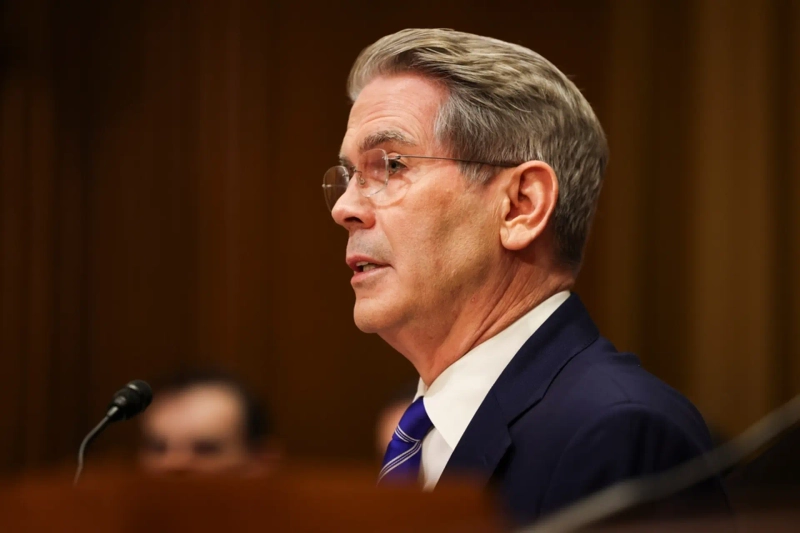
Treasury Secretary Scott Bessent tried to rein in surging US government bond yields by expanding Treasury buybacks, but the effect did not last two days. With total US government debt now above $40 trillion, investors are signaling that short-term steps alone will not be enough to calm the bond market.
The Wall Street Journal reported on Aug. 22 that selling in Treasuries briefly eased after the Treasury Department announced a plan to expand buybacks. Yields soon turned higher again. The newspaper called it “a bruising week in which Scott Bessent was schooled by the bond market.”
The yield on the 30-year Treasury had climbed to 5.31% on Aug. 17, the highest level since June 2007. Higher Treasury yields mean lower bond prices.
The Treasury announced on Aug. 19 that it would at least double long-dated Treasury buybacks. The move would increase purchases of off-the-run securities to at least $4 billion from $2 billion. Investors viewed it as an attempt to keep market rates from rising further and lower borrowing costs across the economy.
The plan initially appeared to gain traction. Some investors who had bet on further increases in long-term yields rushed to unwind those positions, briefly pushing yields lower.
That skepticism returned quickly. On the same day as the Treasury’s announcement, total US federal debt topped $40 trillion for the first time. Investors saw the larger buybacks as a temporary measure rather than a lasting fix.
Tradeweb data showed the 10-year Treasury yield closed at 4.737% on Aug. 21, up from 4.695% a week earlier. That left it back above the level seen before the Treasury’s action.
Concerns over the dollar also deepened. Investors put on so-called debasement trades, selling the greenback and buying gold and cryptocurrencies. The WSJ Dollar Index fell 0.7% over the week, while Bitcoin jumped 22%.
Some market participants also expect the Treasury to increase short-term bill issuance to finance the expanded buybacks. That could ease pressure on long-term yields while increasing reliance on short-dated debt.
The US fiscal burden is already heavy. The Congressional Budget Office said annual interest costs for the federal government have reached $1 trillion, more than five times the level in 2010.
The Washington Post said governments, rather than the private sector, have been the biggest borrowers in recent years. Countries borrowed heavily after the 2008 financial crisis to support recovery, then increased borrowing again during the Covid-19 pandemic in 2020.
Restoring calm to the bond market will require credible steps to reduce the US fiscal deficit. Bessent said in a CNBC interview on Aug. 20 that the Trump administration is preparing an announcement focused on fiscal discipline and is reviewing changes to both revenue and spending.
Whether that can be carried out remains unclear. Independent experts say any serious fiscal consolidation would require politically difficult measures, including tax increases and cuts to Social Security and Medicare spending. With the November midterm elections approaching, those options will be hard to advance.
Lee Song-ryeol, Hankyung.com reporter yisr0203@hankyung.com

Korea Economic Daily
hankyung@bloomingbit.ioThe Korea Economic Daily Global is a digital media where latest news on Korean companies, industries, and financial markets.