Japan’s Debt Burden Deepens as Yields Rise Despite World’s Highest Debt Load
Forecast Trend Report by Period


Concerns Grow Over Fiscal Health as Japan Maintains Expansionary Spending
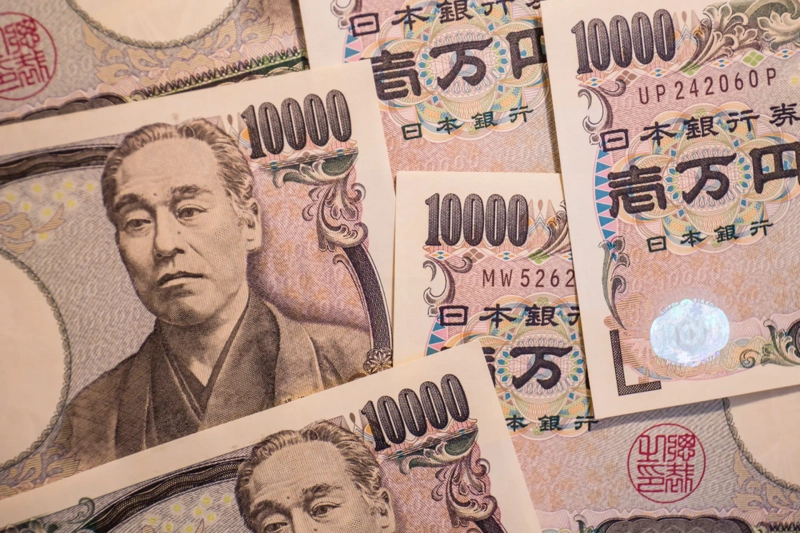
Japan, already carrying the world’s heaviest public debt burden, faces mounting concern over further fiscal deterioration as the government sticks with expansionary spending and long-term interest rates climb.
The Finance Ministry plans to earmark 36.6 trillion yen for principal and interest payments on government bonds in budget requests for fiscal 2027, which runs from April 2027 through March 2028, the Nikkei newspaper reported on Aug. 23. That would mark the largest such allocation on record.
The figure is 5.3 trillion yen, or 17%, higher than the initial debt-servicing budget for fiscal 2026, the biggest increase in the past 20 years. A major driver was the assumed interest rate used to calculate debt-interest payments, which rose to 3.8% from 3.0% in the fiscal 2026 budget.
In Japan’s bond market on Aug. 18, the 10-year government bond yield climbed as high as 2.945%, the highest level in about 30 years, putting long-term rates on the verge of reaching 3%. Nikkei said the government’s interest burden could increase further as bonds issued at low rates mature and are refinanced with higher-yielding debt.
That raises the risk of a vicious cycle: worries about fiscal deterioration drive long-term yields higher, and those higher yields lift debt-servicing costs, further eroding fiscal health.
The rising interest burden could also squeeze other areas of spending if debt-servicing costs account for nearly 30% of budget requests from government ministries for fiscal 2027.
The Japanese government may need to secure more than 10 trillion yen in additional funding during the budget process for next year. But the Cabinet Office’s medium- to long-term projections show fiscal 2027 tax revenue rising by only about 680 billion yen from the fiscal 2026 estimate, underscoring how difficult it may be to find enough money.
Japan last year posted the highest debt-to-GDP ratio among major advanced economies, with government debt equal to 204.4% of gross domestic product. Still, some view the risk of an external default as lower than in countries with large foreign-currency debt because most of Japan’s liabilities are yen-denominated and a large share is held by domestic investors, including the Bank of Japan.
Kim Bong-gu, Hankyung.com reporter kbk9@hankyung.com

Korea Economic Daily
hankyung@bloomingbit.ioThe Korea Economic Daily Global is a digital media where latest news on Korean companies, industries, and financial markets.