US Launches ‘Operation Economic Outcast’ Against Iran, With China a Key Obstacle
Summary
- The US said it has launched “Operation Economic Outcast,” imposing secondary sanctions on countries that trade with Iran in cryptocurrency, technology, gold, aviation and shipping.
- The US Treasury Department said it had newly designated more than 60 entities, individuals and vessels worldwide for sanctions and signaled major penalties against key financial companies linked to Iran.
- With China buying about 90% of Iranian oil, skepticism has emerged over whether secondary sanctions on major powers such as China can be enforced because of the risk of retaliation.
Forecast Trend Report by Period


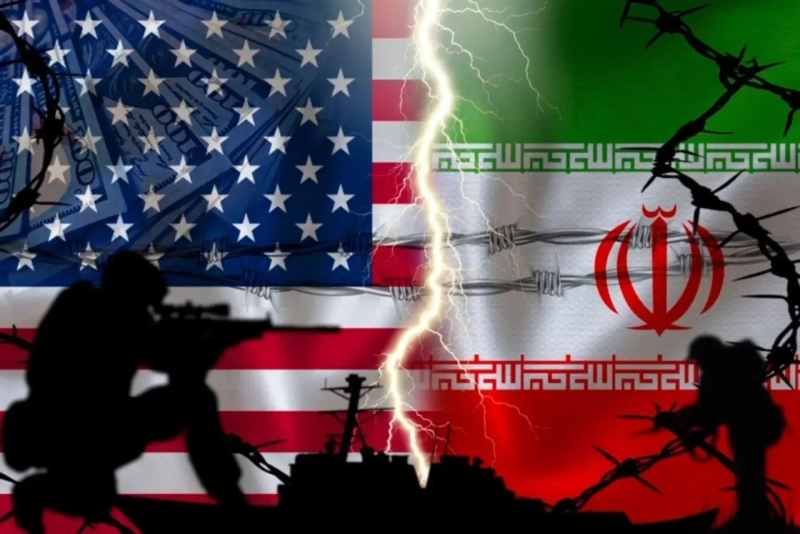
The US administration has escalated its economic pressure campaign on Iran, including by threatening secondary sanctions on third countries that do business with Tehran. Iran has said it will not retreat in the face of tougher US measures, signaling the standoff between the two countries is set to continue.
Treasury Secretary Scott Bessent said on Aug. 24 that Washington was launching “Operation Economic Outcast” to “shut down every option that sustains Iran.” Any country that maintains economic ties with the Iranian regime “in any form” will face strong US sanctions, he said. The strategy is intended to choke off Iran’s economic lifelines after about six months of military operations failed to force Tehran to yield.
The core of the new measures is secondary sanctions on countries that trade with Iran in cryptocurrency, technology, gold, aviation and shipping. The US believes Iran has been generating revenue in those five sectors by evading existing sanctions. Bessent said Washington had identified every link, facilitator and network Iran has used to smuggle oil and bypass restrictions.
The Treasury Department also imposed new sanctions on more than 60 entities, individuals and vessels worldwide. The US said they helped Iran acquire nuclear and missile technology, conduct cyber operations and generate oil revenue. The measures also target a network of intermediaries and shadow-fleet vessels spanning the United Arab Emirates, Hong Kong, China, Singapore, Switzerland and Europe.
Bessent made clear that countries that do not cut economic ties with Iran will face secondary sanctions. President Donald Trump is calling world leaders and urging them to halt exchanges with Iran, he added. Any institution that helps Iran launder money will be cut off from the dollar system. The Treasury Department also said a major sanctions announcement targeting key financial companies tied to Iran would come by the end of this week.
Iran pushed back sharply. Ali Madanizadeh, Iran’s minister of economic affairs and finance, said the country had prepared a two-year economic plan in anticipation of such sanctions, according to The Times of Israel. Earlier, Mohsen Rezaei, an Iranian security official, warned that if neighboring countries joined what he called the US economic war, “not a drop of oil” would leave the Persian Gulf or the Strait of Hormuz.
Skepticism has also emerged in the US over how effective the latest measures will be. Critics argue that enforcing secondary sanctions against major powers such as China will be difficult. The Wall Street Journal reported that Bessent did not mention China, Iran’s largest trading partner, in his remarks. Imposing sanctions on foreign companies in countries such as China would carry the risk of retaliation, the newspaper said. China buys about 90% of Iran’s oil.
Some also say the move is not materially different from existing sanctions. Hassan Ahmadian, a professor at the University of Tehran, told The Guardian that Iran has been under sanctions since 2018. The renewed economic pressure is effectively a public acknowledgment that the US failed militarily and is merely returning to square one, he said.
Separate from the confrontation, talks on a ceasefire agreement appear to be continuing. After meeting Iran’s leadership in Tehran on Aug. 24, Pakistan Interior Minister Mohsin Naqvi wrote on social media that the discussions had produced major progress.
Han Myung-hyun, Hankyung.com reporter wise@hankyung.com

Korea Economic Daily
hankyung@bloomingbit.ioThe Korea Economic Daily Global is a digital media where latest news on Korean companies, industries, and financial markets.