Trump Administration Weighs High Tariffs on Imported Chips, With Phased Rollout Possible
Summary
- The Trump administration is reviewing a plan to impose high tariffs on imported semiconductors despite opposition from the industry.
- People familiar with the matter said officials are considering either a broad expansion in the scope of tariff targets or a phased tariff rollout.
- Commerce Secretary Howard Lutnick said tariff relief for foreign companies should be tied to investment in US semiconductor manufacturing, and that companies that do not invest could face 100% semiconductor tariffs.
Forecast Trend Report by Period


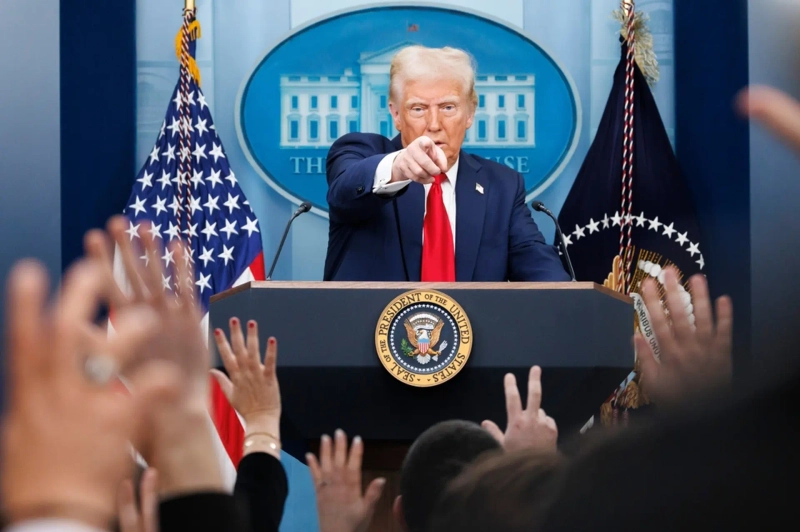
The Trump administration is weighing steep tariffs on imported semiconductors, Politico reported on August 27.
Politico, citing eight people familiar with the matter, reported that the administration is considering the move despite opposition from US industry.
President Donald Trump has vowed since last year to impose semiconductor tariffs, but has not fully followed through. Instead, while semiconductors were included in sector-specific tariffs, chips and electronics such as laptops and mobile phones were left out of country-specific tariffs. That has allowed Apple iPhones made in China to be imported with little effect from tariffs on China. In January, the Trump administration announced a 25% tariff on semiconductors, but that measure has served only as an exceptional tool tied to collecting what amounts to a toll on Nvidia exports to China.
Industry opposition has been the biggest reason semiconductor tariffs have been slow to emerge. Critics have argued the policy could leave the US behind China in the artificial intelligence race. Politico reported that sentiment is now shifting. People familiar with the discussions said officials are considering either a broad expansion in the range of products subject to tariffs or a phased rollout of the duties.
Commerce Secretary Howard Lutnick favors linking tariff relief for foreign companies to investment in US semiconductor manufacturing to spur domestic production, according to the report. Lutnick and others have previously discussed exempting imports from tariffs up to the amount produced in the US, and have repeatedly said South Korean and Taiwanese companies would face 100% semiconductor tariffs if they do not invest in the United States. Lutnick has also said the US should account for 50% of semiconductor production and has emphasized his intention to bring Taiwan's chip industry to the US.
In the US, criticism is mounting that Trump's pledge to win the AI race conflicts with his semiconductor tariff policy. Opponents say broad tariffs would sharply raise the cost of building data centers in the US.
Even so, the administration appears to believe a jobs message tied to semiconductor tariffs will be more politically effective than backing data-center construction, which is drawing growing opposition from voters.
Lee Sang-eun, Washington correspondent, Hankyung.com selee@hankyung.com

Korea Economic Daily
hankyung@bloomingbit.ioThe Korea Economic Daily Global is a digital media where latest news on Korean companies, industries, and financial markets.