China Uses APEC Chair to Push Free Trade, AI Rulemaking
Summary
- China said it is using its APEC chairmanship to strengthen its leadership over rules governing free trade, artificial intelligence (AI) and the digital economy.
- China said it is seeking to secure greater control over the regional agenda by pursuing a separate FTAAP statement and an AI and digital economy outcome document as key deliverables for the APEC leaders’ summit.
- Analysis in diplomatic circles holds that China is using the Shenzhen Declaration at APEC Shenzhen to quickly lay out proposals on the FTAAP, AI and the digital economy, and inclusive growth as it moves to shape the economic order and technology standards.
Forecast Trend Report by Period


Amid US-China tensions, Beijing pushes FTAAP and AI agenda
Ahead of the Shenzhen summit, China steps up its bid to shape free-trade and AI rules
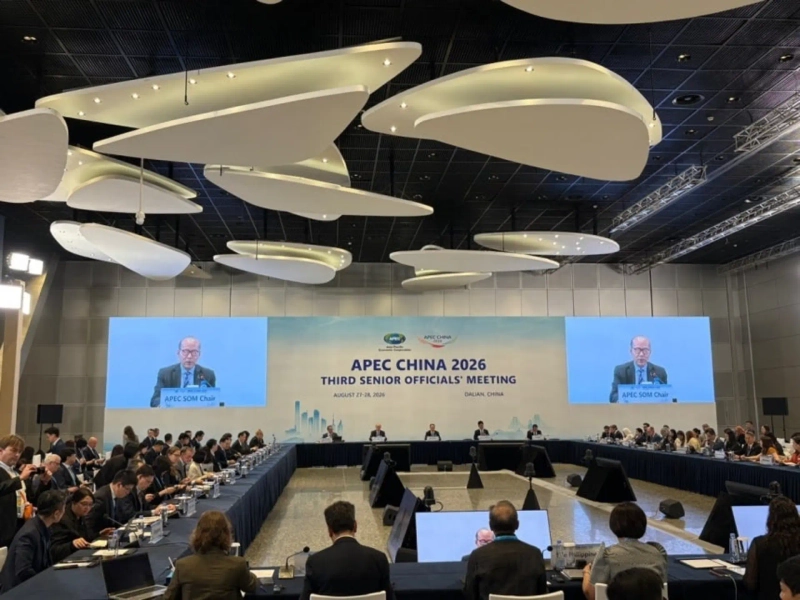
China is using its role as this year’s chair of the Asia-Pacific Economic Cooperation forum to strengthen its sway over rulemaking on free trade, artificial intelligence and the digital economy.
With US-China tensions spreading across advanced technology and trade, Beijing is trying to make the Free Trade Area of the Asia-Pacific, or FTAAP, and principles for AI cooperation key outcomes of the APEC leaders’ summit. The effort is aimed at securing greater influence over the regional agenda.
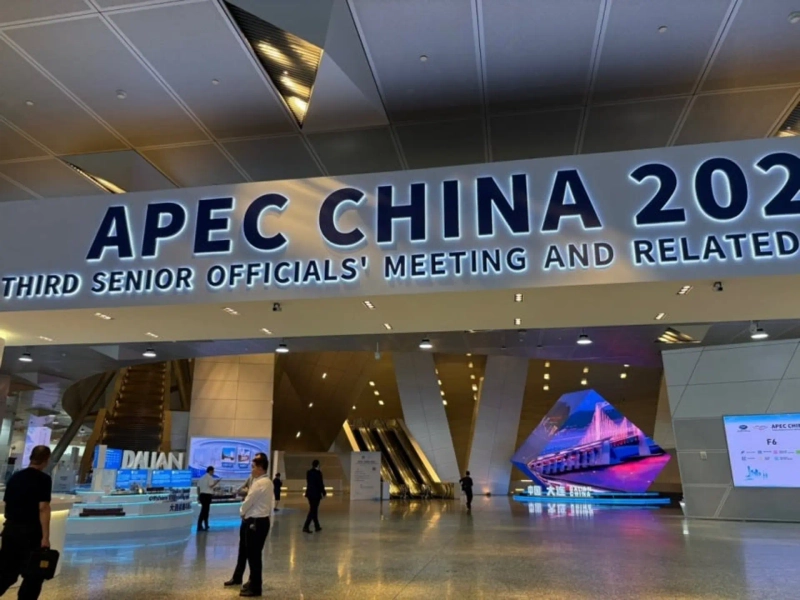
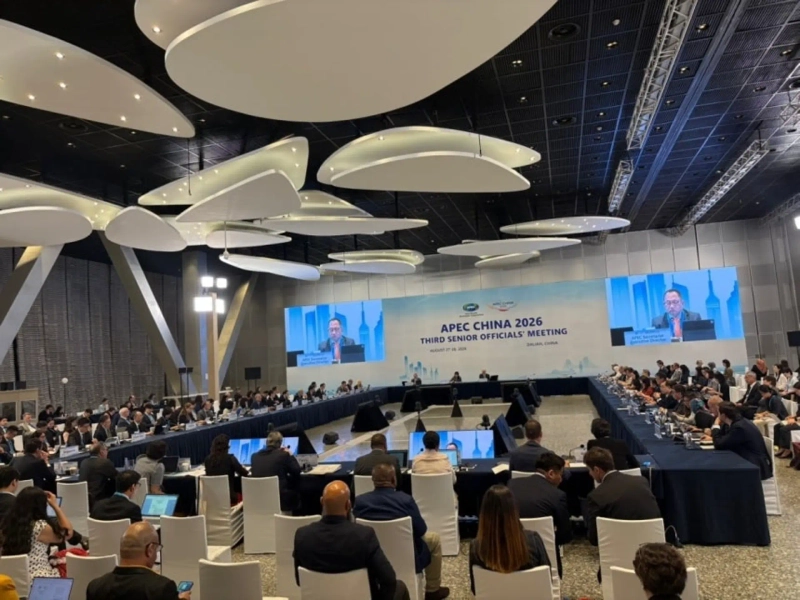
Ma Zhaoxu, China’s vice foreign minister, told the third APEC Senior Officials’ Meeting for 2026 in Dalian, Liaoning province, on Aug. 27-28 that China would deliver new results in trade, connectivity and innovation.
On trade, Beijing said it would prepare a separate statement on the FTAAP based on the agreement reached at the APEC trade ministers’ meeting in May. The plan is to help member economies build the capacity to join high-standard economic and trade agreements while advancing cooperation in a flexible and practical way.
The FTAAP is a long-term free-trade initiative covering all APEC members. China said member economies this year reaffirmed support for advancing the FTAAP and also approved the APEC Services Competitiveness Roadmap.
That highlights how China is putting free trade and regional economic integration at the forefront as the US tightens tariffs, industrial subsidies and supply-chain restrictions.
AI and the digital economy are another major focus for Beijing. China plans to prepare a separate outcome document on AI and the digital economy based on the results of APEC Digital Week last month. It has already drafted a vision for APEC digital and AI cooperation this year and proposed digital transformation as a new engine of regional growth.
Diplomatic circles view the push as an attempt by China to get ahead in setting principles for AI use and cooperation through the APEC multilateral framework, as the US-China contest for technological supremacy intensifies.
China has also stepped up its push to build what it calls an Asia-Pacific community. The APEC leaders’ meeting in Shenzhen on Nov. 18-19 will be the centerpiece.
Beijing is preparing the “Shenzhen Declaration” as the summit’s main outcome and plans to distribute a draft to member economies in the latter part of September. The declaration is expected to focus on the FTAAP, AI and the digital economy, connectivity and inclusive growth.
China is also highlighting the growth needs of developing economies, as well as small and medium-sized enterprises, energy access and vocational training. The strategy is to pair its free-trade and AI growth agenda with inclusiveness in an effort to win broad support within APEC.
As US-China rivalry broadens from bilateral friction into competition over international rules, there is growing analysis that China is using APEC this year to move quickly in laying out proposals for the economic order and technology standards.
Meanwhile, the senior officials’ meeting was the largest event of China’s APEC host year in both scale and number of programs. During the gathering, APEC committees and working groups held about 130 meetings and events covering trade, transportation, food, customs, science and technology, energy, health and anti-corruption.
More than 3,000 people attended, including officials from APEC member economies and the secretariat. A South Korean government delegation led by Park Jong-han, coordinator for economic diplomacy at the Foreign Ministry, also took part in the senior officials’ meeting, a policy dialogue on connectivity and key committee sessions. Seoul sought to ensure that outcomes from its chairmanship last year would be carried forward and further developed in preparations for the Shenzhen APEC summit.
Kim Eun-jung, Beijing correspondent, kej@hankyung.com

Korea Economic Daily
hankyung@bloomingbit.ioThe Korea Economic Daily Global is a digital media where latest news on Korean companies, industries, and financial markets.