BIS Says Stablecoins Are Ill-Suited for Mass Payments, Backs Tokenized Deposits
Forecast Trend Report by Period


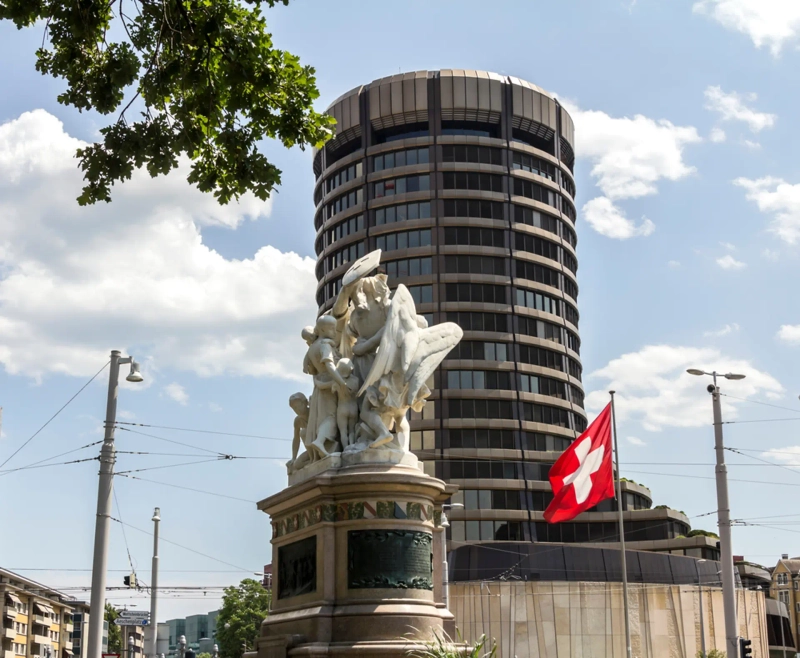
The Bank for International Settlements said tokenized deposits should be used ahead of stablecoins for everyday digital payments. While stablecoins may lift demand for government bonds, they could also raise banks’ funding costs and borrowing costs for consumers, the BIS said.
Reuters reported on August 28 that BIS General Manager Pablo Hernandez de Cos told the Jackson Hole Economic Policy Symposium in Wyoming that claims stablecoins can serve as a large-scale payments instrument are not persuasive.
De Cos said stablecoins and tokenized deposits can coexist. But he argued that tokenized deposits should handle routine payments and settlements, with stablecoins playing a complementary role in specialized areas such as cross-border transactions. Tokenized deposits are bank deposits recorded on distributed ledgers such as blockchains so they can be transferred.
That marks a different emphasis from the US government, which has cast stablecoins as a tool to reinforce dollar dominance. Treasury Secretary Scott Bessent has said dollar-backed stablecoins could boost demand for US Treasuries by trillions of dollars and strengthen the dollar’s status as the world’s reserve currency, because issuers buy Treasuries as reserve assets.
De Cos also acknowledged that stablecoins could reduce US government borrowing costs. Even so, he said a shift of funds from bank deposits into stablecoins could push up banks’ funding costs. Banks would then have to pay more to secure funds for lending, and that could be passed on to households and businesses through higher loan rates.
He also warned that stablecoins could undermine the singleness of money. Exchanging stablecoins issued by different companies involves transaction steps and costs, while interoperability across platforms remains limited. Another challenge is that know-your-customer and anti-money-laundering standards differ across issuers and jurisdictions, making consistent regulation harder to apply.
The BIS also views the spread of dollar-pegged stablecoins as a risk to monetary sovereignty outside the US. If households and businesses in emerging markets hold dollar stablecoins instead of local currencies, central banks’ monetary policy could become less effective and domestic financial conditions could grow more dependent on the direction of US policy.
“Tokenized deposits are a more direct way to harness the benefits of tokenization while preserving the foundations of the existing monetary system,” de Cos said. He added that tokenized deposits still require clarity on interoperability between financial institutions and blockchains, governance, legal rights and standards for final settlement.

Doohyun Hwang
cow5361@bloomingbit.ioKEEP CALM AND HODL🍀