US Signs 100-Year Venezuela Oil Deal, Trump Says It Secures 65 Billion Barrels
Forecast Trend Report by Period


Pentagon Makes Direct Investment in Bid to Tame High Oil Prices
US Government Takes 35% Stake in Operator
Gains Right to Buy 20% of Output at Cost
Little Immediate Impact on Gasoline Prices Seen
China Faces Losses on Maduro-Era Investments
President Donald Trump said on August 29 that the US government had signed an agreement to invest in oil development in Venezuela, home to the world’s largest crude reserves. The fields covered by the deal hold an estimated 65 billion barrels, equal to about 22% of Venezuela’s total reserves. The project is unlikely to ease global oil prices anytime soon because building out infrastructure will take time. In Washington, the agreement is also being framed as a strategic move to counter China.
America’s Defense Department Becomes an Oil Investor
Trump wrote in a social media post that the US had reached “the largest oil agreement in world history” with Venezuela. Through a partnership with a private company, the US secured majority control over more than 65 billion barrels of proven oil reserves in Venezuela. Venezuelan interim President Delcy Rodriguez, in a statement, said the deal would generate more than $200 billion in tax revenue for the Venezuelan government.
Trump did not disclose detailed terms. The Wall Street Journal reported that the US would acquire a 35% stake in Venezuelan private company North American Blue Energy Partners, or NABEP, and gain the right to buy 20% of crude output at cost. Under the structure, the Office of Strategic Capital, or OSC, inside the US Department of Defense would hold a 35% non-voting stake in the company.
NABEP holds 100-year development rights to 17 oil fields with estimated reserves of 65 billion barrels. The New York Times, citing a State Department official, reported that the US would effectively be guaranteed 55% of output from the joint venture. OSC plans to lower initial investment costs by using warrants, or rights to buy newly issued shares at a set price. Created in 2022 to support industries considered vital to US national security, OSC has typically provided loans and guarantees.
The plan is unusual because it pushes the Pentagon into direct investment in oil development. A senior delegation from the Defense Department and the State Department, including OSC Director David Roche, visited Venezuela in July to work out the contract terms. The move reflects Washington’s view of crude as a core element of its national-security supply chain. The Associated Press reported that with the US Strategic Petroleum Reserve below 300 million barrels, Washington viewed access to Venezuela’s heavy crude as a matter of military and energy security.
Blow to China’s Influence in Venezuela
Trump has cast the investment as a way to stabilize US oil prices. Announcing the deal, he said it would more than double US oil reserves, sharply expand supply and materially lower gasoline prices for Americans over time.
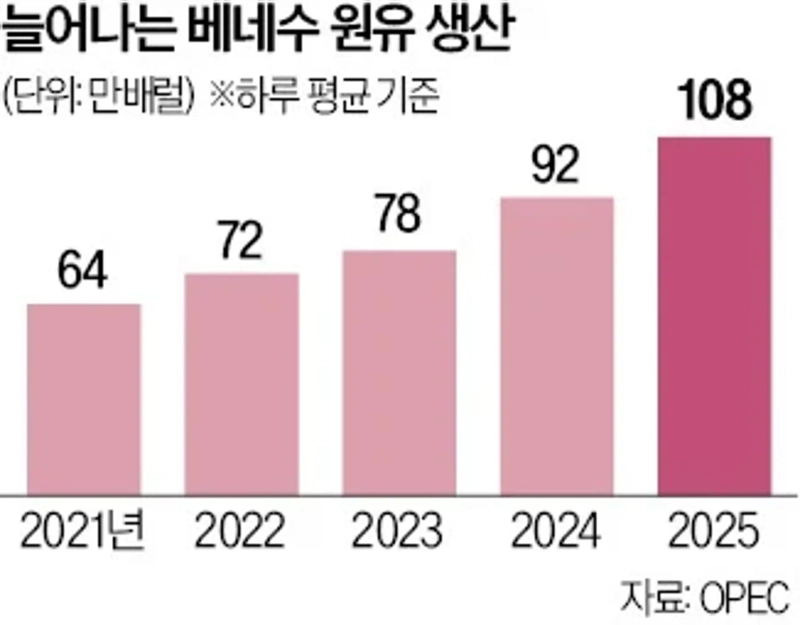
Analysts have been more cautious. Venezuela’s oil production fell to 1.08 million barrels a day last year from about 3 million barrels a day in the past because of aging facilities and years of US sanctions. The New York Times reported that it could take years before new output reaches the market in meaningful volumes, limiting the near-term effect on global crude prices and US gasoline prices. Legal obstacles also remain. The Wall Street Journal said the substance of the agreement directly conflicts with Venezuela’s 1999 constitution, which says the country’s oil reserves belong to the republic and cannot be sold.
The deal also aligns with the Trump administration’s strategy of pushing back against China’s influence in Latin America. After the US arrested then-President Nicolas Maduro earlier this year, Washington increased imports of Venezuelan crude and expanded local investment by US companies. As a result, Venezuelan oil shipments to China fell to 48,000 barrels a day in February from 470,000 barrels a day.
Chinese investment in Venezuelan oil fields is also set to decline sharply. Chinese loans backed by Venezuelan oil during Maduro’s rule may also face repayment difficulties. Foreign media reports said the agreement could deal a direct blow to Chinese property rights.
Kim Dong-hyun, Hankyung.com reporter 3code@hankyung.com

Korea Economic Daily
hankyung@bloomingbit.ioThe Korea Economic Daily Global is a digital media where latest news on Korean companies, industries, and financial markets.