PiCK
Japan 10-Year Yield Tops 3% for First Time in 30 Years as Takaiichi Fiscal Push Rattles Market
Forecast Trend Report by Period


10-year yield tops 3% for first time in three decades
Bill comes due for ‘aggressive fiscal policy’
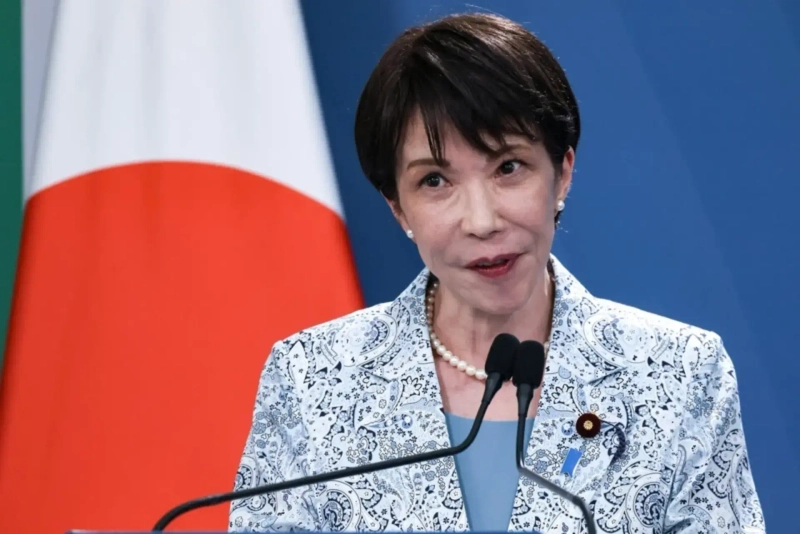
“I can no longer trust the Takaiichi administration’s fiscal policy.”
Japan’s benchmark long-term borrowing cost rose above 3% for the first time in 30 years as expectations for additional Bank of Japan rate hikes combined with concern over US monetary tightening and growing market unease about Prime Minister Sanae Takaiichi’s aggressive fiscal expansion. With debt-servicing costs rising sharply, the government’s room to pursue tax cuts and higher spending is set to narrow.
In Tokyo bond trading on Sept. 1, the yield on newly issued 10-year Japanese government bonds rose as much as 6 basis points from the previous day to 3.000%. Japan’s 10-year yield has not traded at 3% since September 1996. It reached as high as 2.950% intraday a day earlier, also the highest level in 30 years.
When Takaiichi took office in October 2025, the 10-year yield was in the 1.6% range. In less than a year, it has nearly doubled. Global inflation pressure tied to instability in the Middle East has also contributed, but Japan’s yields are rising faster than those in the US and major European economies, market participants say.
A 10-year government bond auction conducted by Japan’s Ministry of Finance on Sept. 1 also drew weak demand. The lowest accepted price came in below market expectations, while the highest accepted yield rose into the 3% range for the first time since 1996. The result underscored waning appetite for Japanese government debt.
One of the immediate drivers is growing speculation that the BOJ will raise rates again. Expectations for another increase have climbed quickly since the US and Japanese governments jointly intervened in late July to buy yen.
US Treasury Secretary Scott Bessent told CNBC on Aug. 31 that he believes the Japanese government and the BOJ will take steps that lead to a stronger yen. Markets interpreted the remarks as a call for the BOJ to tighten further.
The BOJ’s next policy meeting is scheduled for Sept. 17-18. Overnight index swaps are pricing in more than a 90% chance of a rate increase that month. Investors are also increasingly betting on another move in December, which would leave the terminal policy rate above earlier expectations.
Pressure on yields has also intensified in the US. Federal Reserve Chair Kevin Warsh said at last month’s Jackson Hole symposium that if policymakers cannot be confident inflation is easing, “there is work to do.” Markets took that as a hawkish signal that kept the possibility of another rate increase alive. Higher Treasury yields added to selling pressure on Japanese bonds.
Still, markets are reacting even more sharply to Takaiichi’s fiscal expansion. Her government has championed what it calls “responsible aggressive fiscal policy,” centered on large-scale growth investment and tax cuts. In July, it adopted a growth strategy calling for more than 370 trillion yen in combined public and private investment across 17 strategic sectors by 2040. Last month, it also decided to temporarily cut the consumption tax on food to 1% for two years starting in April 2027.
What remains unclear is how those measures will be funded. Preliminary budget requests for fiscal 2027, submitted at the end of August, swelled to about 143 trillion yen in the general account, partly because a new growth-investment category was created without a spending cap. That would mark a record. Additional increases in defense spending are also expected by year-end.
Takaiichi has also revised the government’s fiscal framework. Instead of sticking with the previous target of bringing the combined primary balance of the central and local governments into annual surplus, she has said the focus will shift to steadily lowering the ratio of outstanding government debt to gross domestic product.
The government says it will reduce reliance on supplementary budgets and hold new bond issuance below the previous year’s level. When Takaiichi announced the consumption-tax cut on Aug. 5, she said the administration had managed fiscal policy with full consideration for sustainability and market confidence.
Markets have remained unconvinced. In July, a draft of the government’s annual basic policy on economic and fiscal management and reform, known as the Honebuto policy, dropped the phrase “fiscal consolidation.” That triggered a surge in bond yields in what markets dubbed the “Honebuto shock.” Takaiichi later said she did not believe she was the cause, but the climb in yields has continued.
With long-term rates now at 3%, the fiscal burden on the Takaiichi government is poised to rise further. Higher yields increase interest costs on both newly issued bonds and refinancing debt, leaving less room for tax cuts, growth investment and a bigger defense budget.
Japan’s long-term rates trended lower for years after the collapse of the asset bubble, alongside deflation. They fell further after the BOJ launched massive quantitative and qualitative easing in 2013, including large-scale government bond purchases, and reached minus 0.3% in 2016. The trend reversed after policy normalization began in 2024 with the end of negative interest rates and the scrapping of yield curve control.
Markets view the break above 3% as both a sign that Japan is emerging from deflation and normalizing monetary policy, and a warning from the bond market over fiscal expansion. With further BOJ rate hikes also in sight, the path of yields will depend on how convincingly the Takaiichi government can identify funding sources for measures such as the food tax cut and higher defense spending.
Choi Man-su, Tokyo correspondent, Korea Economic Daily, bebop@hankyung.com

Korea Economic Daily
hankyung@bloomingbit.ioThe Korea Economic Daily Global is a digital media where latest news on Korean companies, industries, and financial markets.