PiCK
Trump Team Turns to Stablecoins in Bid to Ease Treasury Yield Pressure
Summary
- Dollar stablecoin issuance could boost demand for short-term U.S. Treasuries and reduce upward pressure on long-term yields.
- Under the GENIUS Act, issuers of dollar stablecoins must hold cash or U.S. Treasuries with maturities of 93 days or less equal in value to the tokens they issue, making stronger Treasury demand unavoidable.
- The WSJ said global stablecoin issuance would need to grow to $3.7 trillion by 2030 for the U.S. government's funding structure to see a meaningful shift.
Forecast Trend Report by Period


More stablecoin issuance would boost demand for short-term U.S. Treasuries
That could help ease upward pressure on long-term yields
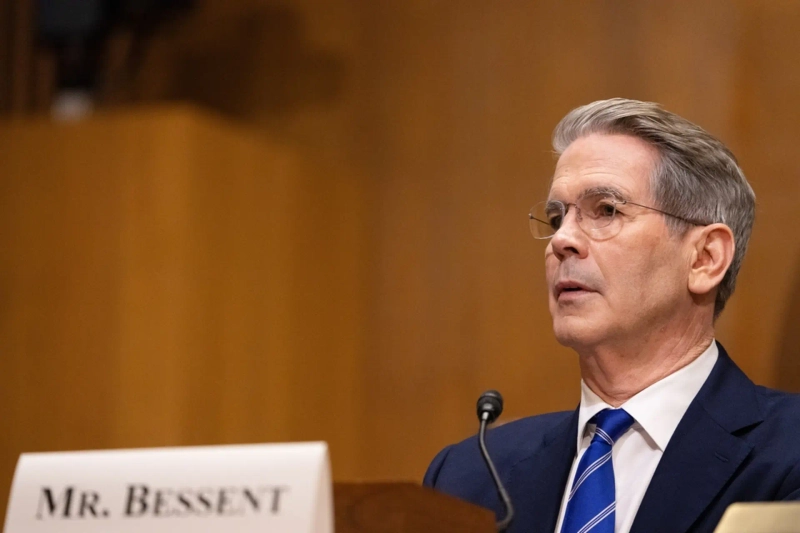
The expansion of dollar stablecoins led by Wall Street firms may also help stabilize U.S. Treasury yields. As issuance rises, demand increases for short-term U.S. Treasuries used as reserve assets. Funds raised through greater bill issuance could then be used for long-bond buybacks, helping reduce upward pressure on long-term yields.
The Wall Street Journal recently reported that Treasury Secretary Scott Bessent's effort to stabilize the bond market could get help from crypto legislation, another priority for the Trump administration. The Treasury Department is pursuing a so-called Treasury twist, increasing short-term issuance and using the proceeds to expand long-term buybacks. The move comes as long-term yields have climbed sharply on concerns over fiscal deficits and inflation, with U.S. national debt now above $40 trillion.
The link between dollar stablecoins and U.S. Treasuries is the GENIUS Act, a crypto-related law enacted last year. President Donald Trump has strongly supported stablecoins since the early part of his presidency, arguing they would reinforce dollar dominance and foster the digital-asset industry. In that context, the GENIUS Act was crafted to bring stablecoins into the regulated financial system. After implementing rules are finalized, it is set to take full effect next year.
Under the law, issuers of dollar stablecoins must hold cash or U.S. Treasuries with maturities of 93 days or less equal in value to the tokens they issue. That means demand for short-term U.S. Treasuries would inevitably rise as stablecoin issuance expands. The dynamic also fits with Bessent's push to reshape the Treasury's maturity profile. If the Treasury sells more short-dated debt and uses the proceeds to buy back longer-term bonds, it could improve supply and demand in the long-bond market and ease pressure on yields.
Some analysts also argue that stablecoin issuers prefer U.S. Treasuries to cash as reserve assets. Aspen Economic Strategy Group said in a report that when $1 flows into a bank, about 8 cents is invested in short-term instruments. By contrast, when $1 flows into stablecoins, about 80 cents could be directed into short-term debt.
It may still take time for stablecoins to grow large enough to alter the U.S. government's funding structure. The Journal said Bessent expects global stablecoin issuance to reach $3.7 trillion by 2030. That would require the market to grow more than tenfold from about $300 billion in 2025.
Lee Hye-in, Hankyung.com reporter hey@hankyung.com

Korea Economic Daily
hankyung@bloomingbit.ioThe Korea Economic Daily Global is a digital media where latest news on Korean companies, industries, and financial markets.