Summary
- The US CFTC has asked a court to dismiss CME Group’s lawsuit over cryptocurrency perpetual futures.
- The CFTC said CME’s claims of competitive harm tied to the approval of Kalshi’s Bitcoin (BTC) perpetual futures contract lack both legal basis and substance.
- The agency maintained that CME is also able to list the same perpetual futures and that the decision not to do so was CME’s own choice.
Forecast Trend Report by Period


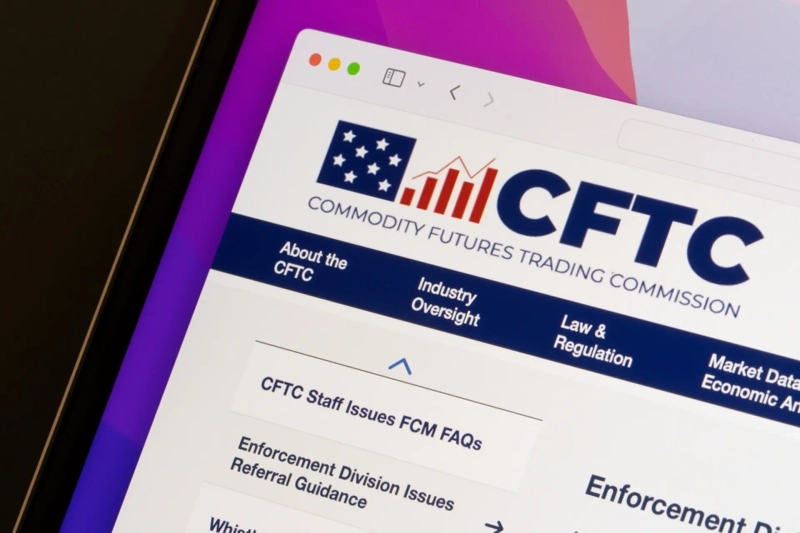
The Commodity Futures Trading Commission has asked a court to dismiss CME Group’s lawsuit over the regulator’s approval of cryptocurrency perpetual futures.
The Block reported on Sept. 2 that the CFTC filed its motion to dismiss in the US District Court for the District of Columbia. In the filing, the agency described CME’s suit as “much ado about nothing” and argued that the exchange’s claims of competitive harm lack both legal basis and substance.
CME sued the CFTC in June after the agency approved prediction-market platform Kalshi’s Bitcoin perpetual futures contract in May and allowed other designated contract markets, or DCMs, to list similar products as futures. CME has argued the CFTC pushed through the approval by sidestepping its own rules.
In its motion, the CFTC said CME is also able to list the same type of perpetual futures as Kalshi. The agency added that CME has publicly stated that its customers do not want the product.
The CFTC said any competitive harm stemmed from CME’s own refusal to list perpetual futures and, even if such harm existed, it was self-inflicted. The agency also argued that even if it reclassified perpetual futures as swaps, exchanges including Kalshi could still offer the same contracts under the new classification.
The CFTC has asked the court to hold oral arguments. CME has until Oct. 2 to file its opposition to the motion to dismiss.

JOON HYOUNG LEE
gilson@bloomingbit.ioCrypto Journalist based in Seoul