Memory Boom Isn’t Enough: Samsung’s MX, Labor Risks Seen Capping Shares as DB Raises SK Hynix Target
Summary
- DB Securities said it raised its target price for SK Hynix to 2.3 million won while keeping Samsung Electronics unchanged at 360,000 won.
- DB Securities said that despite HBM4, AI infrastructure investment and a DRAM boom cycle, a rebound in Samsung Electronics shares may remain limited because of weakness in its MX business and the absence of additional share buybacks.
- Investors said Samsung Electronics valuation should reflect earnings pressure from non-memory businesses such as MX and home appliances as well as labor risk.
Forecast Trend Report by Period


DB Securities Raises SK Hynix Target to $1,690
Samsung Electronics Target Kept at $265
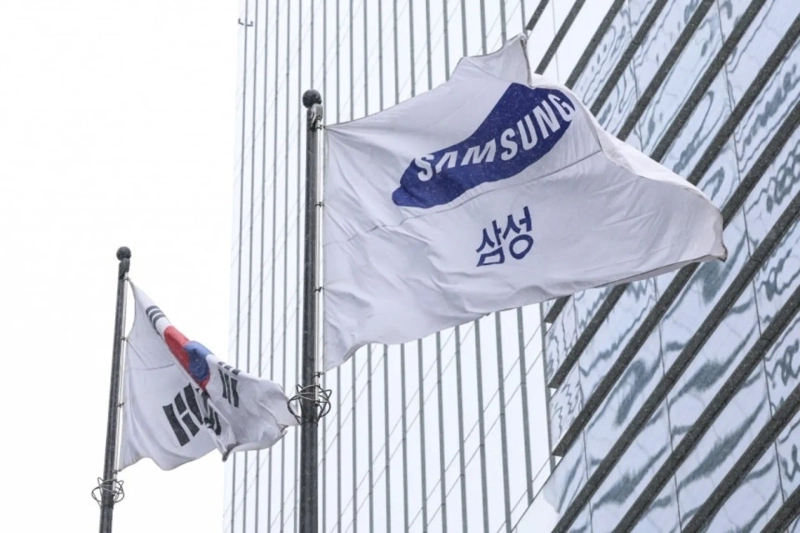
DB Securities drew attention on Sept. 7 after issuing a report that set sharply different target prices for Samsung Electronics Co. and SK Hynix Inc. The brokerage said both companies stand to benefit from expanding investment in artificial intelligence infrastructure and the full-fledged start of shipments of sixth-generation high-bandwidth memory, or HBM4. But it said weakness in Samsung’s Mobile eXperience, or MX, division would limit improvement in companywide earnings. Among investors, Samsung’s labor union, widely viewed as more hardline than SK Hynix’s, is also seen as a risk.
DB Securities raised its target price for SK Hynix to 2.3 million won ($1,690) on Sept. 7, while leaving Samsung Electronics unchanged at 360,000 won ($265). In the report, analyst Seo Seung-yeon wrote that third-quarter earnings for both companies would likely come in slightly below market expectations because of unfavorable foreign-exchange effects. Even so, the brokerage adjusted its targets to reflect next year’s earnings outlook, arguing that meaningful supply expansion will be difficult despite continued growth in AI infrastructure spending.
Competition among big tech companies continues to fuel AI infrastructure investment, Seo wrote, adding that SK Hynix is in talks with key customers on medium- to long-term demand and long-term contracts. Memory demand is surging on AI strength, while meaningful industrywide supply growth is unlikely to emerge next year.
Explaining the higher target for SK Hynix, Seo wrote that the valuation framework was shifted from an average of this year and next year to next year alone. Full-scale HBM4 shipments are set to begin in the third quarter, and HBM4 prices next year are projected to rise about 70% from a year earlier, supporting solid earnings improvement.
As for SK Hynix’s recent share weakness, Seo cited concerns over a more limited HBM4 price increase than rivals, skepticism about the sustainability of AI capital spending and downward revisions to earnings estimates. If strong AI demand and higher HBM prices confirm robust earnings next year, the stock could rebound, the report said.
The brokerage took a different stance on Samsung Electronics. Despite solid memory shipments and higher selling prices, unfavorable exchange rates and weaker-than-expected MX results are likely to weigh on performance, Seo wrote. The MX division is projected to post an operating loss of 1.8 trillion won ($1.32 billion) despite the effect of a new flagship launch, as rising component costs, including semiconductors, continue to bite.
Explaining why it left Samsung’s target unchanged, Seo wrote that the DRAM market should remain in a boom phase through 2027, as tight supply and strong server demand extend the upcycle seen from 2024 to 2026. Still, the shares have remained weak despite a shareholder-return announcement in August, as the company has not carried out additional share buybacks. For the stock to rebound, a concrete shareholder-return plan will be needed in early 2027, the report added.
One retail investor in a stock discussion forum said SK Hynix’s earnings and valuation are effectively determined by memory conditions and the HBM cycle. Samsung, by contrast, operates set businesses including MX and home appliances alongside memory, which limits the earnings leverage it can capture from the memory upcycle. The market recognizes Samsung as a representative memory stock, the investor said, but tends to underestimate profitability pressure in MX and the burden of higher costs.
Another investor said Samsung’s increasingly hardline labor relations, including the union’s louder stance in recent negotiations over wages and bonuses, are also a potential risk to its cost structure and production stability compared with SK Hynix. Rather than valuing Samsung on memory conditions alone, investors should also consider earnings pressure from non-memory businesses such as MX and consumer appliances, as well as labor risk, the investor said.
Kang Kyung-ju, Hankyung.com reporter qurasoha@hankyung.com

Korea Economic Daily
hankyung@bloomingbit.ioThe Korea Economic Daily Global is a digital media where latest news on Korean companies, industries, and financial markets.