El Salvador Nears IMF Program Restart as Bitcoin Dispute Eases, Bonds Rally
Summary
- Expectations for the resumption of the IMF bailout program are improving investor sentiment toward El Salvador’s sovereign bonds, which have continued to gain.
- Increases in El Salvador’s Bitcoin holdings were financed through private donations, while control of Chivo was transferred to the private sector, easing some of the key disputes with the IMF.
- If the IMF board approves the agreement, the coupon rate will fall to 0.25% from 4%, though delayed pension reform still leaves some risk.
Forecast Trend Report by Period


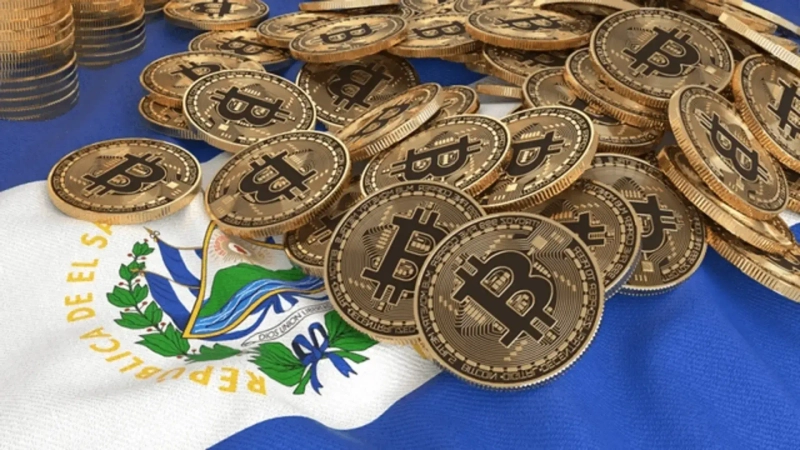
El Salvador has moved closer to restarting its International Monetary Fund bailout program after about a year of deadlock. Investor sentiment toward the country’s sovereign bonds is also improving as key disputes over Bitcoin have partly been resolved.
Bloomberg reported on September 10 that the IMF and El Salvador reached a staff-level agreement on the second and third reviews of the bailout program. If the IMF executive board approves the agreement, about $140 million will be disbursed under the broader $1.4 billion program.
A key Bitcoin-related obstacle in the negotiations has also been addressed for now. The IMF said El Salvador submitted data showing that additions to its Bitcoin holdings since the first review were financed through private donations, with no public funds used. It also cited as progress the transfer of a controlling stake in Chivo, the Bitcoin-dollar payment wallet launched by the government in 2021, to a private operator.
El Salvador’s bonds extended their gains on expectations that the bailout program will resume. According to Bloomberg, returns on the country’s dollar-denominated bonds rose 2.3%, the highest among Latin American countries, after IMF Deputy Managing Director Dan Katz met President Nayib Bukele in late July and said there had been “substantial progress” in the talks. The spread over U.S. Treasuries compiled by JPMorgan Chase & Co. also narrowed to its lowest level since 2010.
JPMorgan economists said the agreement would remove uncertainty that had long blocked disbursement under the bailout program and help El Salvador restore credibility in international financial markets. If the IMF board approves the agreement by early October, the coupon on the country’s interest-only bonds will fall to 0.25% from 4%.
The next key issue is pension reform. The IMF pushed back the reform deadline, which had originally been set for early this year, to next year. El Salvador could face renewed fiscal pressure in 2027, when a suspension of interest payments to private pension funds comes to an end. Katrina Butt, a portfolio manager at AllianceBernstein, said the delay in reform leaves some risks in place, but is understandable given the election calendar.

YM Lee
20min@bloomingbit.ioCrypto Chatterbox_ tlg@Bloomingbit_YMLEE