PiCK
CFTC Eases Rules for Crypto Developers, Allowing Market Access Without IB Registration
Summary
- The U.S. CFTC said it had issued no-action guidance that does not require qualifying crypto software developers to register as introducing brokers (IBs).
- The guidance expands a regulatory exception once limited to Phantom to other software providers, clarifying when developers can connect users to regulated derivatives markets without being classified as brokers.
- Still, the no-action guidance could be withdrawn if the commission's makeup or policy direction changes, and an industry official said reversing it will become harder as more companies use the framework.
Forecast Trend Report by Period


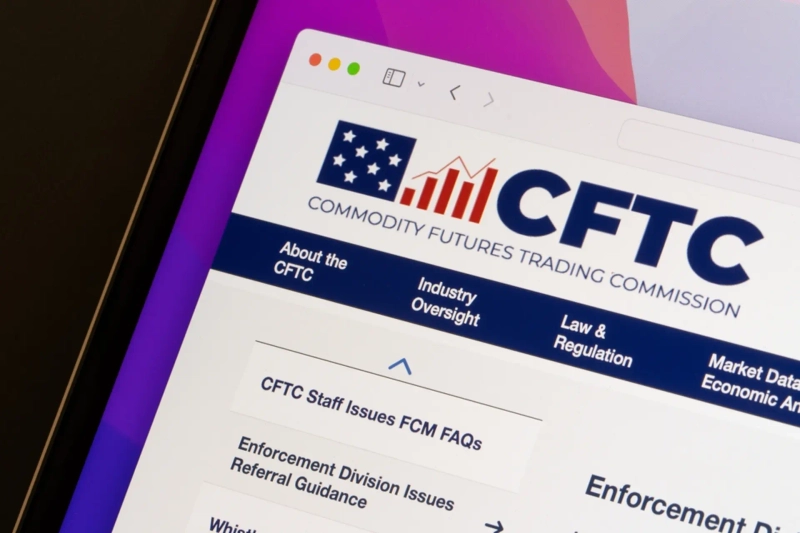
The Commodity Futures Trading Commission said it will not require certain software developers to register as introducing brokers if they meet specific conditions. The move stands to reduce regulatory burdens for companies developing crypto trading services.
The Block reported on Sept. 17 that the CFTC had issued no-action guidance saying software developers do not need to register as introducing brokers, or IBs, even if they connect users to designated contract markets, or DCMs. The guidance applies to companies that meet certain requirements, including providing users with sufficient disclosures and establishing internal policies and procedures.
The move expands across the industry a no-action position the CFTC had previously granted on an individual basis to crypto wallet provider Phantom. In a footnote, the agency said the guidance could also apply to developers beyond crypto software if they provide similar functions.
Patrick Wilson, general counsel at the Solana Policy Institute, said the change was significant because a regulatory exception once limited to Phantom had now been expanded into a framework other software providers could use. It also provides clearer standards for when developers can connect users to regulated derivatives markets without being classified as brokers. Cody Carbone, chief executive officer of the Digital Chamber, wrote on X that a key source of regulatory uncertainty holding back software innovation in derivatives markets had been removed.
The guidance came just hours after the Securities and Exchange Commission unveiled an "innovation exemption" policy that would allow on-chain trading of tokenized stocks. The steps suggest the CFTC and SEC are each moving to update rules through administrative action after the CLARITY Act, which would establish a federal regulatory framework for the digital-asset industry, failed to clear a procedural vote in the Senate.
Still, unlike a formal rule, no-action guidance can be withdrawn if the commission's makeup or policy direction changes. One industry official told The Block that the broader guidance was a positive development, but a future commission could still reverse it. The person added that the more companies use the framework, the harder it will be to unwind. CFTC Chairman Michael Selig said in May he intended to turn the no-action position applied to Phantom into a formal rule, but no specific follow-up steps have emerged.

YM Lee
20min@bloomingbit.ioCrypto Chatterbox_ tlg@Bloomingbit_YMLEE