Summary
- Reports said ECB President Christine Lagarde asked the Greek government to stop Binance from entering the EU market.
- Lagarde was concerned about Binance's past regulatory compliance problems in the US and the possibility that wider adoption of dollar-based stablecoins could weaken the standing of the digital euro.
- Binance voluntarily withdrew its license application before the HCMC reached a formal decision and later stopped promoting services to EU users after failing to secure the license by July.
Forecast Trend Report by Period


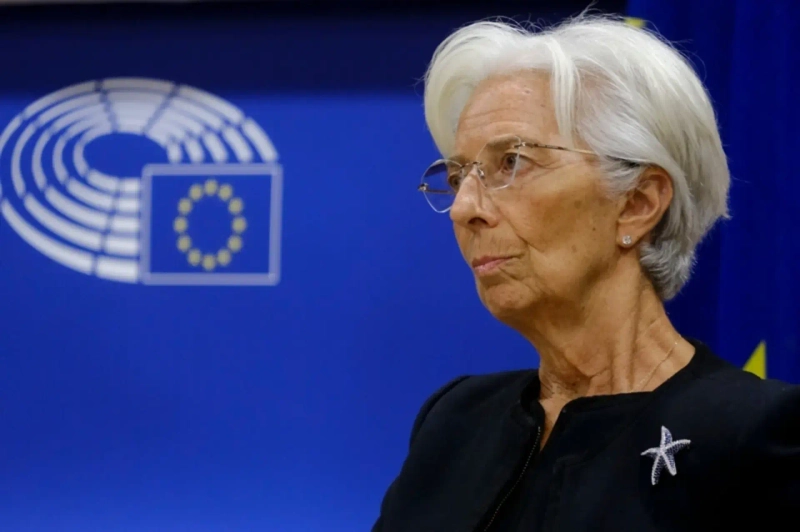
Christine Lagarde, president of the European Central Bank, personally intervened with the Greek government to block global cryptocurrency exchange Binance from entering the European Union market, The Wall Street Journal reported.
Citing people familiar with the matter, the Journal said on Sept. 17 that Lagarde asked Greek Prime Minister Kyriakos Mitsotakis not to approve Binance's crypto-asset service provider license.
Binance applied through Greece's financial authorities for a license that would allow it to operate across the EU. Greek authorities told the European Securities and Markets Authority's Digital Finance Standing Committee in early June that they planned to approve the application, according to the report. Binance had also prepared to formally announce its European expansion and was arranging a visit to Athens by Chief Executive Officer Richard Teng.
The situation changed after an official at the Hellenic Capital Market Commission told Binance that Lagarde opposed the move. The Journal said Lagarde was concerned about Binance's past regulatory compliance problems in the US, where the exchange had previously admitted to financial crime-related charges.
Concern that dollar-based stablecoins could gain a larger foothold in Europe was also cited as a reason for the opposition. If Binance, the world's largest crypto exchange, entered the EU market, use of dollar stablecoins could rise and weaken the position of the ECB's proposed digital euro.
The ECB does not have the authority to directly approve or reject exchange licenses under the EU's Markets in Crypto-Assets regulation, or MiCA. Those reviews are handled by each member state's financial authorities, and approval in one country allows a company to offer services across the bloc.
Binance voluntarily withdrew its application in mid-June, before the Hellenic Capital Market Commission reached a formal conclusion. After failing to secure the license by July, it also stopped promoting services to EU users. The Hellenic Capital Market Commission said it reviewed Binance's application independently under Greek and EU rules.

YM Lee
20min@bloomingbit.ioCrypto Chatterbox_ tlg@Bloomingbit_YMLEE