Yen Slides Back Into 158s Against Dollar as BOJ Rate Hike Loses Impact Within Days
Summary
- The Bank of Japan’s rate hike and rate check failed to keep the yen from slipping back into the 158-per-dollar range.
- Stronger-than-expected U.S. PMI data and renewed inflation concerns drove higher U.S. yields and a wider U.S.-Japan rate gap, reigniting the yen’s decline.
- Markets increasingly see U.S. rates and the dollar’s direction, rather than Japan’s monetary policy, as the main drivers of the yen exchange rate for now.
Forecast Trend Report by Period


BOJ Rate Hike Loses Force as Yen Returns to 158s
Back to Pre-Rate-Check Levels
Fears of More Fed Tightening Spread
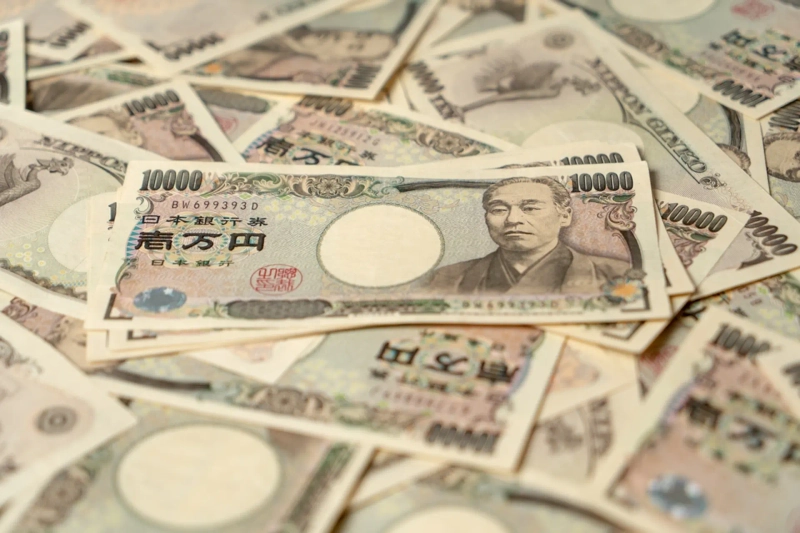
The Bank of Japan’s rate increase had effectively lost its impact within days. The BOJ raised its policy rate to 1.25% from 1.0% on Sept. 18 and even conducted a rate check in the foreign-exchange market, but the yen slid back into the 158-per-dollar range. A surge in U.S. long-term yields to the highest level in 19 years overwhelmed the effect of Japan’s tightening, reinforcing dollar strength driven by the U.S.-Japan rate gap.
In New York trading on Sept. 23, the yen at one point weakened to about 158.4 per dollar. That was its softest level in about three weeks and effectively marked a return to where it stood before the BOJ’s Sept. 18 rate check, when officials asked market participants about exchange-rate levels.
The BOJ raised its policy rate by 0.25 percentage point to 1.25% at its monetary policy meeting on Sept. 18. The yen’s decline briefly appeared to ease as the rate increase, expectations for further tightening and caution over possible intervention by foreign-exchange authorities combined. The effect was short-lived.
Higher U.S. rates reignited the yen’s weakness. The flash reading of S&P Global’s U.S. purchasing managers index for September, released that day, beat market expectations in both manufacturing and services. The input price index, which reflects raw-material and procurement costs, also climbed to its highest level in three years and 11 months, stoking concern that inflation pressures could strengthen again.
Markets also rapidly raised the odds of another Federal Reserve rate increase. Interest-rate futures priced in about a 70% chance of an additional hike at the Federal Open Market Committee meeting on Oct. 27-28, up sharply from about 55% a day earlier.
U.S. Treasury yields also jumped. The 10-year yield rose as much as 0.17 percentage point from the previous day to 5.13%, the highest since July 2007 and the loftiest level in 19 years and two months. The five-year yield also moved above 5%.
Weak demand at a U.S. Treasury auction of five-year notes added to the upward pressure on yields. The high yield came in at about 5.03%, above the market rate just before the auction. Investors took that as a sign of soft demand for U.S. government debt, pushing long-term yields higher.
The rise in U.S. yields had a bigger impact than the BOJ’s rate increase. Even after the BOJ lifted its policy rate to 1.25%, the U.S.-Japan rate gap remained wide, with U.S. long-term yields still above 5%. In the market, U.S. rates and the dollar’s direction are increasingly seen as more important drivers of the yen than Japan’s monetary policy for now.
The yen has shown sharp volatility this month. It traded near 160 per dollar in late August and early September, then briefly strengthened into the 152 range as speculative investors unwound yen-short positions. It has since resumed its decline.
Markets remain alert to the possibility of actual yen-buying intervention after the BOJ’s rate check. Still, the dollar’s strength driven by rising U.S. yields has also been evident against other major currencies, including the euro, reinforcing the view in foreign-exchange markets that Japanese authorities alone may struggle to reverse the yen’s slide.
Choi Man-su, Tokyo correspondent, Korea Economic Daily, bebop@hankyung.com

Korea Economic Daily
hankyung@bloomingbit.ioThe Korea Economic Daily Global is a digital media where latest news on Korean companies, industries, and financial markets.